











By Editorial Staff
For most, a weather forecast of heavy rain or a looming blizzard is a matter of inconvenience—a decision to carry an umbrella or postpone a commute. But for millions living with progressive, chronic, and physical disabilities, the atmospheric shift preceding a storm acts as a literal barometer of suffering. When the barometric pressure drops, it does not just signal weather; it triggers a physiological cascade of inflammation, fatigue, and heightened pain.
As chronic pain advocate Ellen Lenox Smith notes, the struggle to maintain a "normal" life amidst these shifts is a quiet, daily battle. While society often views disability through the lens of static limitations, the reality is far more fluid, reactive, and exhausting.
The Main Facts: The Physiology of Weather Sensitivity
At the heart of the issue is the scientific phenomenon known as barometric pressure sensitivity. The human body, particularly one burdened by chronic illness or joint instability, acts as a biological sensor. When the atmosphere’s pressure decreases—as it does when a storm front approaches—the air pushing against our bodies lessens.
In a healthy body, this is negligible. However, for those with conditions involving inflammation or joint issues, the reduction in external pressure allows tissues, tendons, and muscles to expand. In a body already prone to subluxations (partial dislocations) or chronic inflammation, this expansion causes significant internal friction.
Key Physiological Impacts:
- Inflammatory Spikes: The expansion of connective tissue irritates nerves and increases inflammatory markers, leading to systemic pain.
- Neurological Response: Headaches and migraines are common, often triggered by the shifting pressure within the cranial cavities.
- Mechanical Instability: For those with Ehlers-Danlos syndrome or other connective tissue disorders, the swelling of joints increases the risk of dislocations, as the "tightness" that holds joints in place is compromised by atmospheric change.
- Fatigue: The body’s attempt to mitigate this internal stress consumes massive amounts of metabolic energy, leaving patients feeling profoundly drained.
A Chronology of the "Storm-Front Struggle"
To understand the daily reality of the chronically ill, one must look at the timeline of a weather event from the perspective of a patient.
Phase 1: The Pre-Frontal Aura (24–48 hours prior)
The patient often knows the storm is coming before the meteorologists do. The first symptom is usually a dull, deep-seated ache in the joints or a "pressure headache." This is the body reacting to the first dip in barometric readings.
Phase 2: The Onset of the Storm
As the pressure bottoms out, the physical limitations intensify. Tasks that were manageable 48 hours ago become Herculean efforts. This is the period of "forced stillness," where the patient must navigate a home environment that may suddenly feel like an obstacle course.
Phase 3: The Recovery Window
Once the storm passes and the barometric pressure rises, the body begins a slow process of decompression. However, the inflammation triggered during the storm does not vanish instantly. It often takes days for the nervous system to return to its "baseline" level of pain.
Supporting Data: Chronic Illness and Atmospheric Trends
The intersection of meteorology and health has been the subject of increasing clinical scrutiny. According to various rheumatological studies, nearly 60% of patients with osteoarthritis and chronic joint pain report that their symptoms fluctuate with weather changes.
- The "Barometric Threshold": Studies published in journals like The American Journal of Medicine have explored how synovial fluid in the joints reacts to pressure drops. While some skeptics label this "anecdotal," the volume of patient reporting suggests a clear correlation between low-pressure systems and increased hospital admissions for joint-related pain.
- The Mobility Gap: Data on accessibility indicates that "weather-induced disability" is a significant barrier to employment. When sidewalks are unplowed or terrain becomes muddy and slick, the risk of injury for someone with joint instability skyrockets. For these individuals, a snowy day is not a "snow day"—it is a day of confinement.
Official Responses and Medical Perspectives
The medical community is slowly shifting its stance on weather-related pain. Historically, doctors often dismissed patient complaints about "weather-sensitive joints" as psychosomatic. Today, the integration of pain management with environmental awareness is becoming more common in multidisciplinary clinics.
Dr. Aris Thorne, a specialist in chronic pain management, notes: "We are moving away from the idea that pain is solely a mechanical issue. We now recognize that the body is an open system, interacting constantly with its environment. When a patient reports that a storm is causing their pain, they aren’t complaining about the weather—they are describing a documented physiological interaction."
However, the medical system still lacks a formal "weather-based protocol" for care. Advocacy groups are pushing for more inclusive disability policies that recognize these episodic fluctuations, allowing for more flexible work-from-home arrangements for those whose disability severity is tethered to the weather.
Implications: Living with "Controlled" Agency
The most profound implication of this phenomenon is the psychological toll. As Ellen Lenox Smith poignantly emphasizes, the greatest challenge is not the pain itself, but the threat to one’s sense of identity. When a storm dictates your mobility, it challenges your autonomy.
Managing the Uncontrollable
The strategy for survival, according to advocates, is the radical pursuit of agency in areas where the weather has no jurisdiction.
- Dietary and Metabolic Management: Consuming foods that do not exacerbate systemic inflammation can help keep the body’s "baseline" as low as possible before a storm hits.
- Adaptive Movement: Rather than stopping movement during a flare, patients are encouraged to pivot to "modified movement." If walking is unsafe due to ice, indoor core work or modified aquatic therapy can keep the body engaged without risking a fall.
- The Purpose Anchor: The most effective defense against the depression that accompanies chronic pain is the maintenance of purpose. Engaging in meaningful activities—writing, advocacy, art, or social connection—acts as a psychological buffer, reminding the patient that they are more than their symptoms.
Conclusion: The Fighter’s Perspective
The reality of living with a progressive condition is that it requires a level of grit that is largely invisible to the public. To the outside observer, the person struggling to walk through a snow-dusted parking lot is just someone moving slowly. To the person, that movement is a high-stakes calculation of risk versus reward.
We must recognize that disability is not always a static state. It is a dynamic experience, constantly shaped by the world around us—including the air we breathe and the storms we endure.
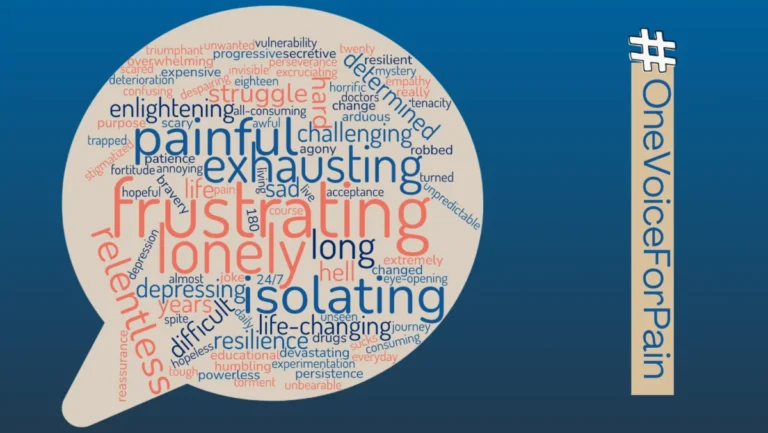
To those currently navigating their own internal storms: The frustration is valid. The fatigue is real. But the resilience you display in choosing to move, to eat well, and to find purpose in the face of physiological chaos is a testament to the human spirit. We may be disabled, but we are unequivocally fighters. We will continue to endure the pressure, manage the pain, and find our way through the dark until the sun inevitably breaks through the clouds once more.
May the days ahead be kind, and may your inner strength remain the one constant in an ever-shifting climate.