









A landmark comparative study published in the open-access journal BMJ Global Health has sounded a dire alarm regarding the escalating incidence of mouth cancer in India. The research reveals that there is effectively no "safe" threshold for alcohol consumption, with even minimal daily intake significantly elevating the risk of developing buccal mucosa cancer—the most prevalent form of the disease in the country.
For millions of Indians, the intersection of traditional lifestyle habits and modern substance consumption has created a public health emergency. As incidence rates continue to climb, experts are calling for a radical shift in policy to address the dual scourge of alcohol and tobacco, which together are responsible for an overwhelming majority of oral cancer cases across the subcontinent.
Main Facts: The Anatomy of a Public Health Crisis
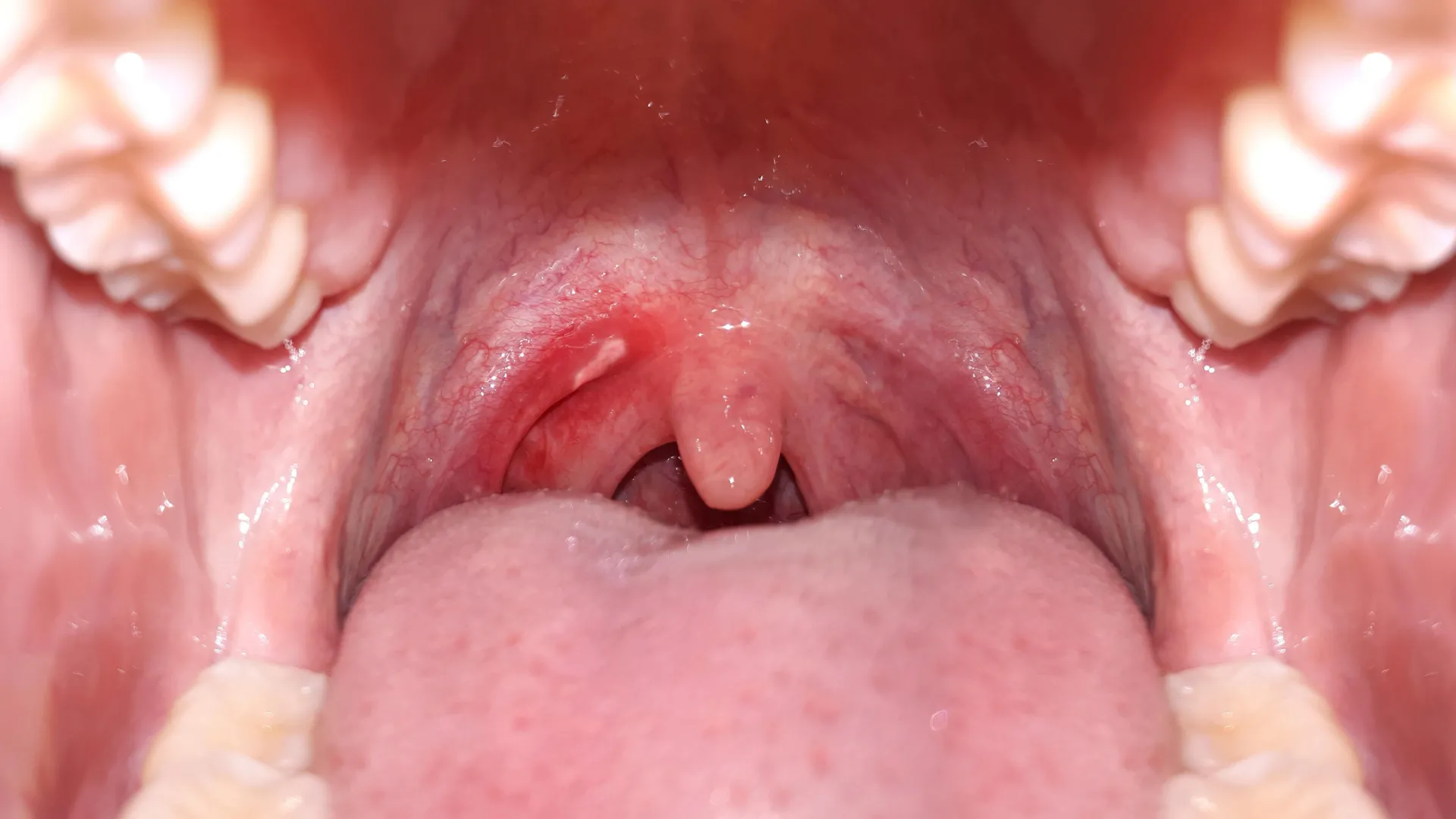
Mouth cancer, specifically cancer of the buccal mucosa—the soft, pink lining of the cheeks and lips—has become the second most common malignancy in India. The statistics are staggering: every year, the country records approximately 143,759 new diagnoses and 79,979 deaths. With incidence rates approaching 15 cases per 100,000 men, the disease is not merely a clinical issue but a systemic societal challenge.
The BMJ Global Health study highlights a terrifying correlation: consuming as little as 9 grams of alcohol per day—the equivalent of a single standard drink—is linked to a 50% increase in the risk of developing buccal mucosa cancer. Perhaps most concerning is that the danger is not limited to internationally recognized alcoholic beverages like beer or whiskey. The study found that locally brewed drinks—often produced in unregulated, rural settings—pose an even greater threat, contributing to an 87% increase in risk compared to non-drinkers.
When alcohol is consumed alongside chewing tobacco, the effect is synergistic and catastrophic. Researchers estimate that the combination of these two habits is responsible for 62% of all buccal mucosa cancer cases in India. With five-year survival rates languishing at a dismal 43%, the urgency for preventive measures has never been higher.
A Chronology of Research: Mapping the Risk (2010–2021)
To untangle the complex relationship between substance use and oral health, researchers conducted a massive comparative study spanning over a decade. Between 2010 and 2021, the team recruited 1,803 patients diagnosed with buccal mucosa cancer from five specialized centers across India. These were compared against a control group of 1,903 healthy individuals.
The demographic data revealed a striking trend: the disease is increasingly affecting younger populations. While the majority of participants fell within the 35–54 age bracket, nearly 46% of all cancer cases identified in the study occurred in individuals between the ages of 25 and 45. This shift suggests that the cumulative damage from alcohol and tobacco is beginning to manifest at earlier stages of life than previously recorded.
During the study, participants provided longitudinal data on their drinking and smoking habits. Researchers cataloged 11 internationally recognized alcoholic beverages and 30 types of locally brewed liquor—including apong, bangla, chulli, desi daru, and mahua. By cross-referencing this with the duration and frequency of tobacco use, the research team was able to map the precise trajectory of risk. They found that cancer patients had, on average, been using tobacco for 21 years, compared to 18 years for the control group, and consumed larger daily quantities of alcohol—averaging 37 grams compared to 29 grams among the healthy cohort.
Supporting Data: Why "Local" Means "Lethal"
The study provides a nuanced look at why different types of alcohol carry different risks. While international spirits and beers carry a 72% increased risk, the "locally brewed" category carries an 87% increase.
The researchers hypothesize that this discrepancy stems from the complete lack of regulation in rural production. Locally brewed liquors are frequently contaminated with toxic byproducts such as methanol and acetaldehyde, which are potent carcinogens. Furthermore, the alcohol concentration in these unregulated beverages can reach as high as 90%, far exceeding the standards of commercial, taxed, and monitored products.
The physiological mechanism behind this increased risk is also becoming clearer. The study suggests that ethanol acts as a solvent that alters the lipid (fat) composition of the inner lining of the mouth. This change makes the oral mucosa more permeable, essentially stripping away the protective barriers that would otherwise prevent the absorption of carcinogens found in chewing tobacco. This explains why alcohol increases the risk of mouth cancer regardless of how long or how often a person has used tobacco; it creates the "gateway" that allows the tobacco’s toxic elements to penetrate deep into the tissue.
Official Perspectives: The Regulatory Quagmire
The governance of alcohol in India is notoriously complex. Under the Seventh Schedule of the Indian Constitution, the regulation of alcohol production, distribution, and sale falls under the jurisdiction of individual states. This has resulted in a patchwork of policies where some states are "dry" and others have highly liberalized markets.
However, the researchers point out that this legal framework is fundamentally ill-equipped to handle the public health threat posed by the informal, illicit, and rural alcohol market. "The current legal framework is complex," the authors note. While central legislation exists to protect public health, the "locally-brewed liquor market is largely unregulated."
Public health advocates argue that this jurisdictional ambiguity allows dangerous, high-alcohol-content products to proliferate in vulnerable rural communities. Because these products are produced outside the tax-paying commercial sector, they remain invisible to the very authorities tasked with monitoring alcohol-related health outcomes. The study underscores that as long as these unregulated markets remain unchecked, the burden of oral cancer in rural states like Meghalaya, Assam, and Madhya Pradesh will continue to disproportionately outpace the rest of the country.
Implications for Prevention and Policy
The findings of this study offer a sobering mandate for the Indian government and international health agencies: current efforts to curb mouth cancer are insufficient. The study concludes that there is "no safe limit" for alcohol consumption when it comes to the risk of buccal mucosa cancer.
1. Integrating Alcohol Control into Cancer Policy
Traditionally, cancer prevention programs in India have focused heavily on tobacco control, particularly the widespread use of smokeless tobacco products. The BMJ Global Health study argues that this strategy is incomplete. Policy must now explicitly target the synergy between alcohol and tobacco, recognizing that a person who uses both is at a fourfold higher risk than someone who abstains from both.
2. Targeting the Unregulated Market
To address the higher risk associated with local brews, authorities must implement stricter quality control measures in rural areas. This involves not just punitive action against illicit distillers, but also public awareness campaigns that educate rural populations on the specific dangers of contaminated, high-concentration local alcohols.
3. Early Screening Initiatives
Given that 46% of cases are occurring in the 25–45 age group, the traditional approach of screening only older, high-risk individuals is no longer adequate. A shift toward earlier, more aggressive oral screening for young adults who report regular alcohol or tobacco use could potentially catch the disease in its precancerous stages, when survival outcomes are significantly better.
4. A National Call to Action
The researchers conclude with a bold assertion: "Public health action towards the prevention of alcohol and tobacco use could largely eliminate [buccal mucosa cancer] from India."
This is not merely a clinical suggestion; it is a blueprint for national health reform. By treating the consumption of alcohol and tobacco as a unified risk factor, India has the opportunity to drastically reduce the number of families devastated by this disease. The study serves as a reminder that the path to a healthier future requires not just medical innovation, but the courage to confront the deep-seated cultural and economic habits that have allowed this epidemic to thrive for far too long. As the data shows, the cost of inaction is measured in hundreds of thousands of lives lost each year—a toll that is entirely preventable.