







On May 20, the European Lung Foundation (ELF) demonstrated the vital intersection of lived experience and public policy. In a coordinated effort to influence the future of European public health, two key leaders—Helen Parks, Chair of the ELF United Patient Advisory Group (UPAG), and incoming ELF Chair, Phil Taverner—represented the patient perspective at critical high-level forums in Brussels and the United Kingdom.
Their participation underscores a pivotal shift in modern healthcare: moving away from top-down policy mandates toward a collaborative model where those living with chronic conditions help design the interventions that shape their own lives.
Main Facts: A Dual Front in the Battle for Respiratory Health
The events of May 20 highlighted two of the most significant environmental and behavioral challenges facing modern medicine: the resurgence of nicotine addiction among youth and the pervasive threat of air pollution.
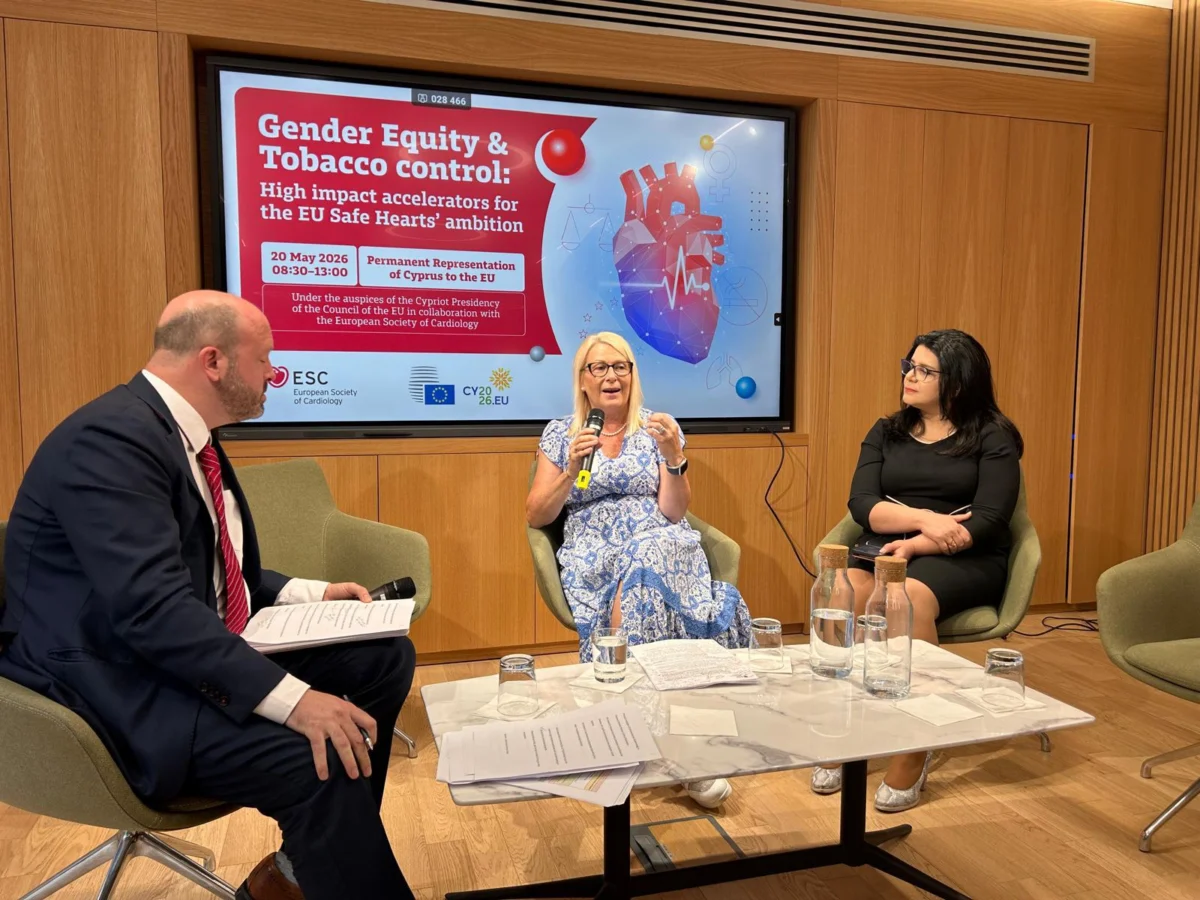
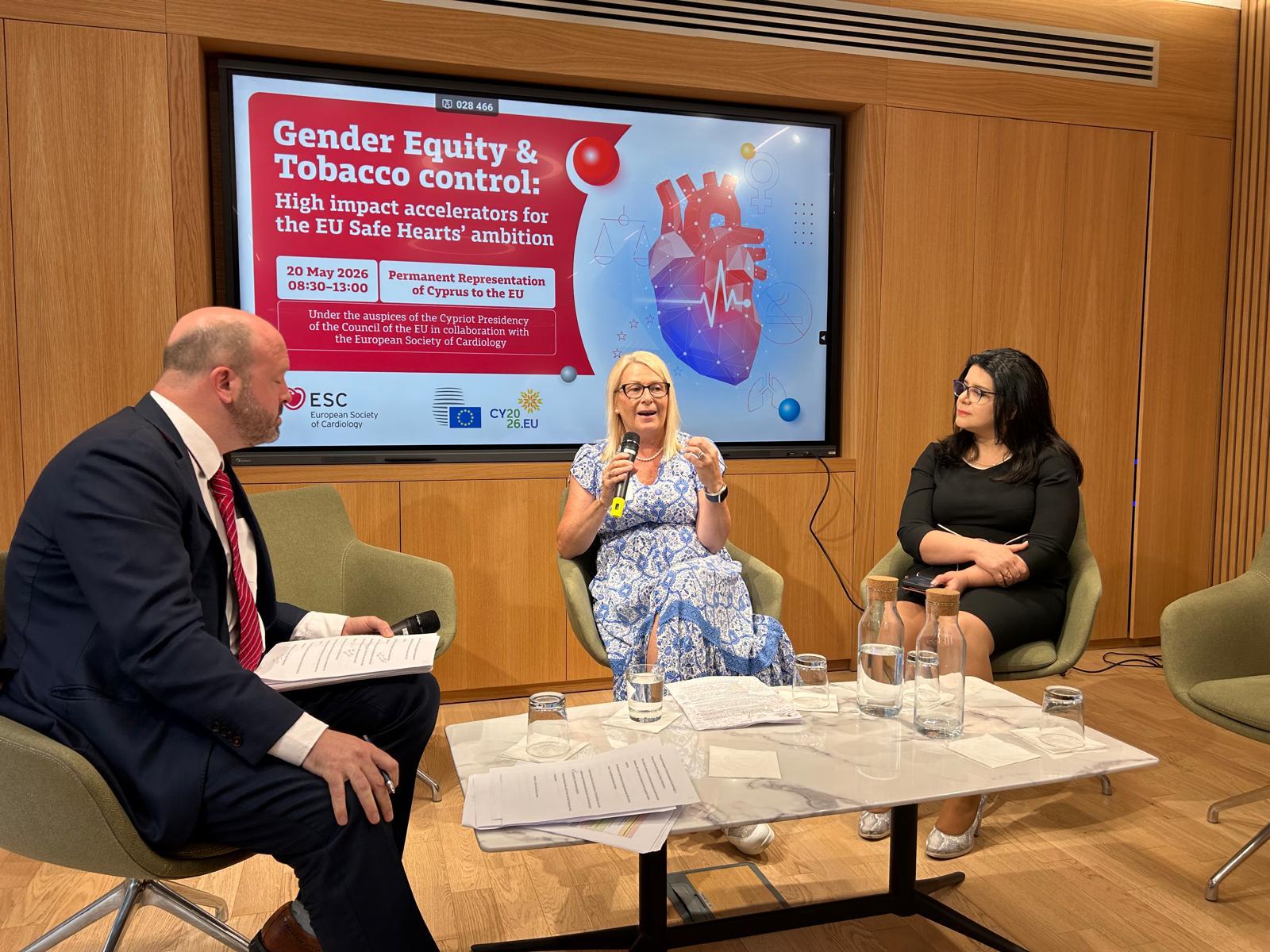
Helen Parks attended a prestigious European Society of Cardiology (ESC) event in Brussels. The summit, titled Accelerating the EU Safe Hearts Plan, focused on the critical nexus of gender equity in cardiovascular care and the urgent need for stringent tobacco control. As an asthma patient and an educator, Parks provided a visceral, human account of how tobacco and nicotine products continue to compromise respiratory health.
Simultaneously, in the United Kingdom, Phil Taverner engaged with the "Clean Air Champions" clinician network. This initiative is designed to bridge the gap between clinical data and patient communication, equipping healthcare professionals with the tools to discuss air quality—a silent, invisible, but deadly factor in chronic lung disease—with their patients.
Chronology of the Day’s Engagements
09:00 AM – Brussels: The Gender Equity and Tobacco Summit
The day began in the heart of the European Union, where the ESC convened policymakers and advocates to discuss the EU Safe Hearts Plan. Helen Parks, representing the patient voice, participated in a high-profile panel discussion. She moved beyond statistics to address the "vaping epidemic," particularly among teenage girls, drawing from her direct classroom observations.
11:30 AM – The United Kingdom: Clean Air Champions Network
Across the English Channel, Phil Taverner addressed a cohort of UK clinicians. The discussion centered on the "lived reality" of asthma. Taverner outlined the daily, often grueling, decision-making process required to navigate polluted urban environments. The meeting aimed to standardize how clinicians offer advice to patients, moving from vague warnings to actionable, evidence-based mitigation strategies.
Supporting Data: The Urgency of the Crisis
The interventions by Parks and Taverner were backed by a growing body of evidence regarding respiratory health.
The Vaping Epidemic
According to recent data from European health monitoring agencies, there has been an alarming, exponential rise in vaping among adolescents. While often marketed as a "safer" alternative, the lack of regulatory oversight regarding nicotine concentrations and flavorings has created a public health vacuum. Parks noted that for young people with pre-existing conditions like asthma, the secondary impact of both traditional smoking and the aerosolized particulates from vapes presents an acute risk of long-term lung impairment.
The Invisible Threat: Air Quality
Data from the World Health Organization (WHO) and local environmental agencies in the UK consistently demonstrate that air pollution is the single largest environmental health risk in Europe. For patients like Taverner, this is not a theoretical debate. Air pollution triggers inflammation, exacerbates asthma, and limits the ability of patients to lead independent lives. The "Clean Air Champions" network is responding to data showing that when clinicians take the time to discuss air quality with patients, those patients are 40% more likely to adopt protective habits, such as avoiding high-traffic zones during peak hours or adjusting indoor ventilation.
Official Responses and Perspectives
The Patient Perspective: Helen Parks
During her panel, Parks was unequivocal: "We are failing the next generation." Reflecting on her own childhood, she recounted the restrictive nature of living with asthma in a world where passive smoking was socially acceptable. She warned that the current regulatory landscape for vaping mirrors the early, lax days of the tobacco industry. "As a teacher, I see the normalization of nicotine among students. It is a crisis of regulation that requires immediate legislative intervention, not just school-based awareness programs."
The Clinical Perspective: Phil Taverner
Taverner’s address to the UK network focused on the "burden of responsibility." He argued that patients are often told to "avoid pollution," a piece of advice that is often class-blind and physically impossible for those living in high-density urban areas. "We need to empower patients with information, but we must acknowledge that personal choice has its limits. Real change requires urban planning, better public transport, and stricter emission controls. Clinicians must be the voice that demands these systemic changes on behalf of their patients."
Implications for Future Policy
The advocacy work performed by Parks and Taverner has profound implications for how the European Union and the UK will approach lung health in the coming decade.
1. Moving from Awareness to Regulation
The primary takeaway from the Brussels summit is that "awareness" is no longer sufficient. There is a strong push from the patient community for the EU to implement a harmonized, restrictive framework for e-cigarettes. This includes mandatory plain packaging, stricter advertising bans, and a cap on nicotine content—measures that have proven successful in reducing traditional smoking rates.
2. Clinical Integration of Environmental Health
The collaboration with the Clean Air Champions network signals a transition in clinical practice. Healthcare providers are increasingly moving away from focusing solely on pharmacotherapy (inhalers and steroids) and toward a holistic model that includes environmental guidance. This shift recognizes that a patient’s health is inextricably linked to the air they breathe in their own neighborhood.
3. The Power of Lived Experience
The ELF’s strategy of placing patients in leadership positions ensures that the "patient perspective" is not an afterthought but a foundational element of policy design. When policymakers hear directly from individuals whose daily lives are constrained by air quality or nicotine addiction, the abstract concept of "public health" transforms into a moral imperative.
Looking Ahead: A Sustained Campaign
The European Lung Foundation has made it clear that the events of May 20 were not isolated incidents, but rather the continuation of a long-term strategy.
Moving forward, the ELF plans to:
- Expand the Clean Air Champions network: By providing more clinicians with the training to discuss environmental health, the ELF hopes to create a nationwide, and eventually pan-European, network of health advocates.
- Lobby for Legislative Reform: Through the United Patient Advisory Group, the ELF will continue to lobby the European Parliament for tighter controls on the marketing of nicotine products to minors.
- Bridge the Gap: By continuing to facilitate forums where patients and policymakers meet, the ELF will ensure that future healthcare policies are tested against the "reality check" of those living with chronic conditions.
The contributions of Helen Parks and Phil Taverner serve as a reminder that healthcare is not just a scientific endeavor; it is a human one. By centering the patient voice, the ELF is effectively reshaping the narrative around respiratory health—demanding not just better medicines, but a better world in which to breathe. As they look toward the next legislative cycle, their message remains clear: protecting the next generation from the harms of tobacco and pollution is not an option—it is an urgent necessity.