







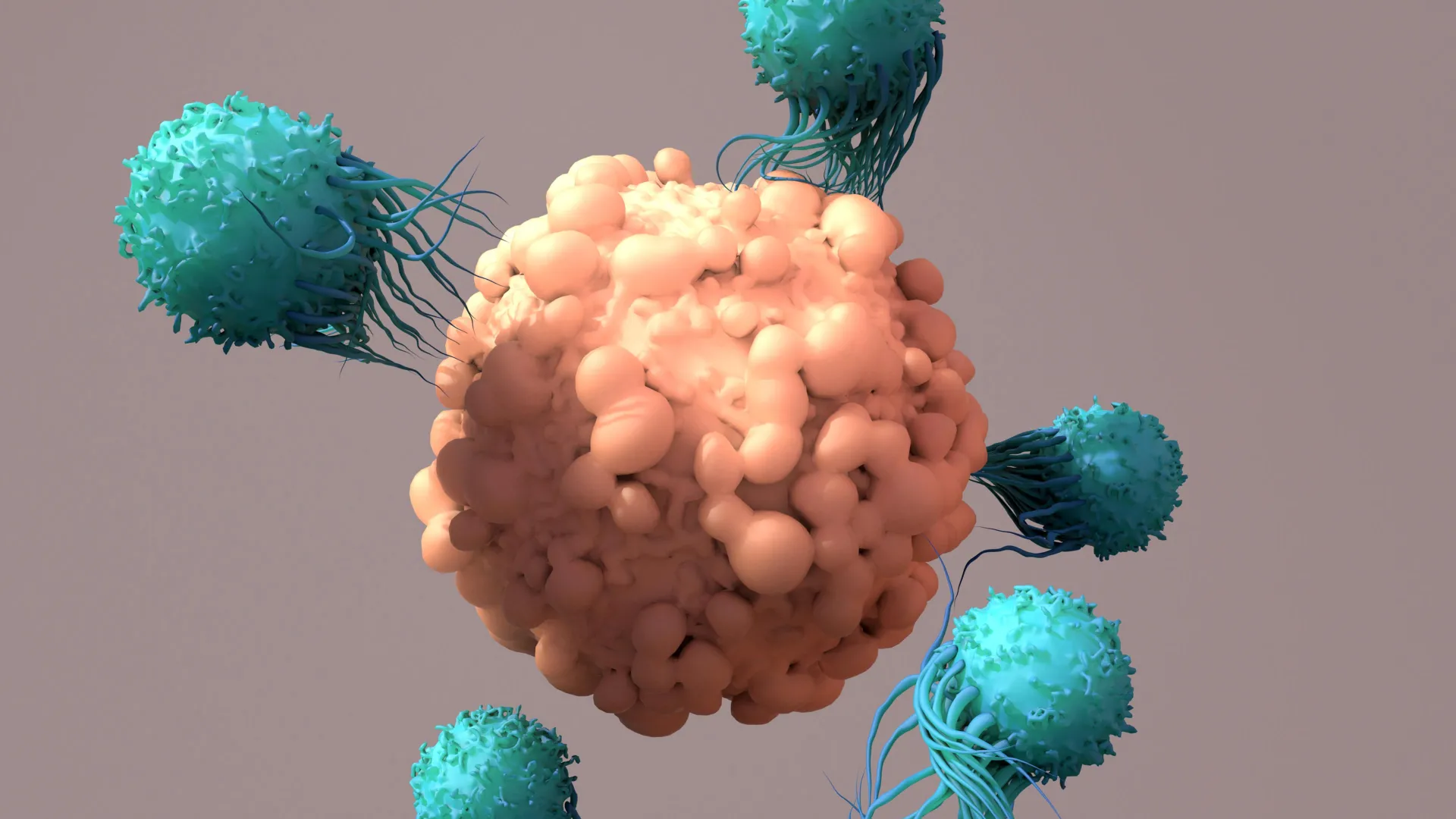
In a significant breakthrough for personalized oncology, an international research consortium has identified a molecular "brake" that prevents engineered immune cells from maintaining their anti-tumor potency. By disabling a specific protein known as NFIL3, researchers from Columbia University and the University Hospital Tübingen have successfully extended the functional lifespan of CAR T cells, offering a promising new strategy to combat the notoriously resilient nature of solid tumors.
The findings, published in the prestigious journal Cancer Discovery, represent a milestone in the "bench-to-bedside" transition of cellular immunotherapy. As the scientific community looks to evolve CAR T-cell therapy beyond the success seen in blood cancers, this discovery provides a genetic blueprint for creating more durable, aggressive, and effective cancer-fighting cells.
The Landscape of CAR T-Cell Therapy: A Paradigm Shift in Oncology
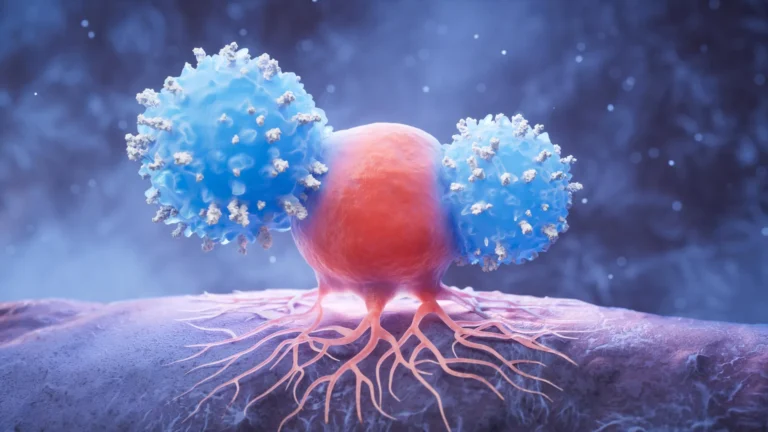
CAR T-cell therapy (Chimeric Antigen Receptor T-cell therapy) is widely regarded as one of the most sophisticated frontiers of modern medicine. Unlike traditional chemotherapy, which often acts as a blunt instrument against both healthy and diseased tissue, CAR T-cell therapy is a form of "living medicine."
The process is meticulously personalized: clinicians extract a patient’s T cells—the "soldiers" of the immune system—and transport them to a laboratory. There, the cells are genetically reprogrammed to express a synthetic receptor (the CAR) that allows them to recognize and bind to specific antigens found on the surface of cancer cells. Once infused back into the patient, these "supercharged" cells are theoretically equipped to seek out, infiltrate, and destroy the tumor.
While this therapy has achieved curative success in hematological malignancies like B-cell lymphomas and leukemia, it has faced a stubborn barrier when confronted with solid tumors. In these environments, the tumor microenvironment often suppresses immune activity, causing CAR T cells to become "exhausted"—a state of functional decline where the cells lose their proliferative capacity and their ability to kill cancer targets.
The Discovery: NFIL3 and the Exhaustion Pathway
To uncover why these cells fail, the research team—led by pioneers in the field, including Prof. Michel Sadelain of Columbia University and Prof. Judith Feucht of the University Hospital Tübingen—launched an exhaustive investigation into the genetic underpinnings of T-cell performance.
A Systematic Search for Genetic Regulators
The team conducted a high-throughput screening analysis of approximately 400 transcription factors. Transcription factors are the "master switches" of the cell; they dictate which genes are turned on or off, effectively controlling the cell’s identity and behavior. The objective was to identify which of these proteins were responsible for the rapid degradation of CAR T-cell function.
The screening revealed a clear culprit: NFIL3. Previously known for its roles in other immune pathways, NFIL3 was identified here as a critical contributor to the exhaustion signature. When CAR T cells are exposed to the persistent stimuli of a tumor, NFIL3 levels rise, effectively putting a molecular "cuff" on the cell’s ability to divide and persist.
CRISPR/Cas9: The Genetic Intervention
To test this hypothesis, the researchers employed CRISPR/Cas9, the revolutionary gene-editing technology often likened to molecular scissors. By precisely targeting and deleting the gene responsible for producing NFIL3, the scientists were able to create a variant of CAR T cells that were essentially "blind" to the exhaustion signal.
The results were immediate and profound. Without the presence of NFIL3, the CAR T cells displayed superior stamina. They did not succumb to the early burnout typically observed in traditional CAR T cells; instead, they continued to multiply efficiently and maintained their cytotoxic (cell-killing) abilities over an extended timeframe.
Chronology of the Research Journey
The road to this discovery has been a multi-year effort that bridged continents and disciplines.
- Initial Investigation: Prof. Michel Sadelain, a central figure in the development of CAR T-cell therapy, recognized early on that the clinical efficacy of these cells was limited by their long-term survival. Collaboration with the University Hospital Tübingen began to address the biological barriers inherent in the tumor microenvironment.
- The Screening Phase: Working within Germany’s Cluster of Excellence in oncology, iFIT (Image Guided and Functionally Instructed Tumor Therapies), the team embarked on the massive task of screening hundreds of transcription factors. This phase occupied the bulk of the early research timeline, as the team sought a needle in a haystack of genetic data.
- Validation: Once NFIL3 was identified, the team shifted to rigorous laboratory validation, utilizing CRISPR to engineer the cells and monitoring their performance in vitro.
- Preclinical Testing: The team transitioned to mouse models to observe how these NFIL3-deficient cells performed in a living, tumor-bearing system. This phase provided the necessary data to confirm that the lab-grown results translated into real-world physiological advantages.
Supporting Data: Animal Studies and Clinical Potential
The efficacy of the NFIL3-deficient CAR T cells was rigorously tested in several mouse models. In these experiments, the researchers observed a stark contrast between control groups and those treated with the modified cells.
Key Performance Metrics:
- Tumor Regression: The NFIL3-deficient cells demonstrated a significantly higher rate of tumor shrinkage compared to standard CAR T cells.
- Persistence: The engineered cells remained present in the bloodstream and tumor sites for longer durations, preventing the "relapse" often seen when T cells disappear before the cancer is fully eradicated.
- Proliferation: The modified cells showed a superior ability to replicate, essentially creating a stronger "army" of immune cells to overwhelm the tumor’s defenses.
These metrics suggest that the absence of NFIL3 does not just prevent exhaustion—it actively promotes a state of "fitness" that is conducive to long-term tumor control.
Perspectives from the Research Leaders
The implications of this work are vast, according to the lead researchers. Prof. Judith Feucht, who balances her research with her clinical duties as a pediatrician at the University Hospital Tübingen, views this as a vital step in "bench-to-bedside" medicine.
"Switching off NFIL3 could be a decisive step toward significantly improving the long-term potency of CAR T cells," Prof. Feucht stated. Her approach is rooted in the reality of clinical oncology, where the urgency of patient care drives the pace of laboratory innovation.
Celina May, a co-first author of the study and a researcher within the Feucht group, emphasized the broader ambition of the team. "Our goal is to improve the effectiveness of CAR T cells in solid tumors as well," she explained. The team believes that by overcoming the hurdle of cell exhaustion, they are unlocking a door that has remained locked for decades, potentially paving the way for treating cancers that have historically been considered "untreatable" by immunotherapy.
Implications for the Future of Cancer Treatment
The potential of this discovery extends far beyond the laboratory. If these results can be replicated in human clinical trials, the medical community could see a new generation of "next-generation" CAR T cells that are inherently resistant to exhaustion.
Addressing Solid Tumors
Solid tumors—such as those found in the pancreas, lungs, and ovaries—are characterized by dense, hostile environments that effectively repel or neutralize incoming T cells. By ensuring that CAR T cells remain active and potent, this research addresses one of the primary reasons these therapies have struggled.
Expanding the Patient Base
Currently, many patients with advanced cancers are not eligible for CAR T-cell therapy due to the high likelihood of tumor resistance. If the "NFIL3-deletion" strategy proves effective, it could expand the pool of patients eligible for this life-saving treatment.
Challenges Ahead
Despite the optimism, the transition from mouse models to human trials remains a rigorous process. Safety is paramount; researchers must ensure that disabling NFIL3 does not cause unintended consequences, such as autoimmune reactions or off-target effects. Clinical trials will require careful design to ensure that the potency of these "super-soldiers" is balanced by strict safety protocols.
Conclusion: A New Frontier in Immunotherapy
The research published in Cancer Discovery serves as a poignant reminder of the power of modern genetic engineering. By identifying a single, elusive protein as the gatekeeper of T-cell exhaustion, Prof. Sadelain, Prof. Feucht, and their colleagues have provided a new, actionable target for the next phase of cancer research.
As the scientific community prepares for the next stages of development, the findings stand as a testament to the importance of international collaboration and the relentless pursuit of understanding the fundamental mechanics of the human immune system. While there is still much to learn before this treatment reaches the clinic, the discovery of the NFIL3-exhaustion link provides a beacon of hope for patients—particularly those with solid tumors—who are in need of more durable and effective treatment options.
In the world of oncology, where progress is measured in months and years, the identification of a genetic "brake" that can be released offers a profound opportunity to reshape the future of cancer therapy, moving us closer to a time when even the most difficult tumors can be successfully managed by the body’s own engineered defenses.