








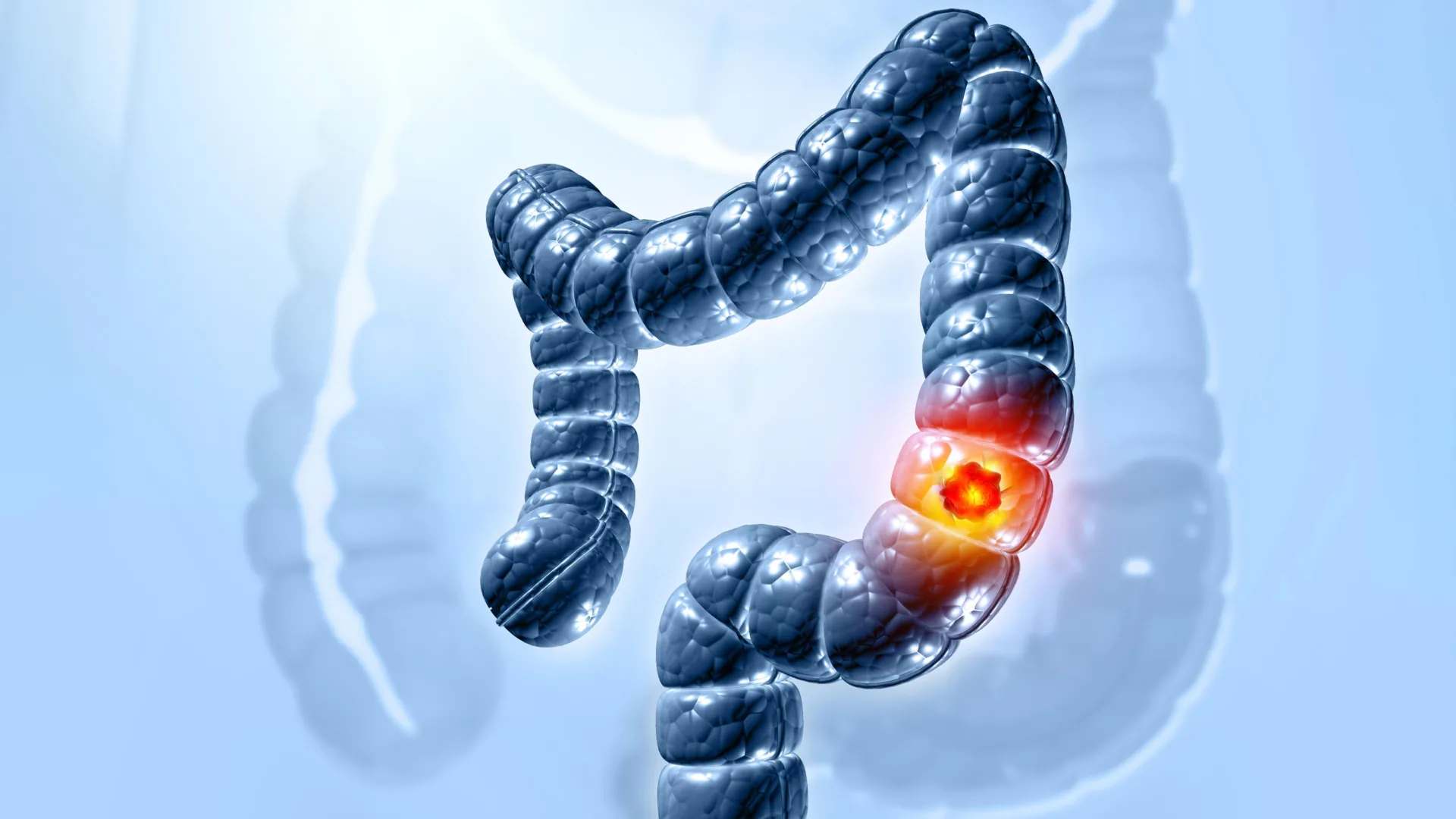
Colorectal cancer remains one of the most formidable challenges in modern oncology. As one of the most prevalent malignancies in Western nations and a leading cause of cancer-related mortality, the disease has long been a subject of intense scrutiny. While clinicians have established a clear correlation between age, dietary habits, sedentary lifestyles, and cancer risk, the precise, granular mechanisms that trigger the transformation of healthy tissue into malignant tumors have remained elusive.
For decades, the "needle in a haystack" search for these triggers has focused on the gut microbiome—a vast, bustling ecosystem of bacteria, viruses, and fungi residing within the digestive tract. Now, a groundbreaking study led by researchers at the University of Southern Denmark and Odense University Hospital has unveiled a potential missing link. The team has identified a previously unknown class of viruses residing within a common gut bacterium, suggesting that the true culprit behind colorectal cancer may not be the bacteria itself, but the viral passenger it carries.
The Bacterial Paradox: Unlocking the Bacteroides fragilis Mystery
For years, the scientific community has been captivated by a persistent biological contradiction. One specific bacterium, Bacteroides fragilis, has been consistently linked to the development of colorectal cancer. Yet, this correlation has been notoriously difficult to validate because Bacteroides fragilis is also a ubiquitous, healthy component of the human gut flora.
"It has been a paradox that we repeatedly find the same bacterium in connection with colorectal cancer, while at the same time it is a completely normal part of the gut in healthy people," explains Dr. Flemming Damgaard, a medical doctor and PhD researcher at the Department of Clinical Microbiology at Odense University Hospital.
For years, this duality confounded researchers. If the bacterium were inherently oncogenic, why would it be present in millions of healthy individuals? The Danish team hypothesized that the answer lay not in the bacterium as a whole, but in the internal diversity of the organism. They posited that there must be a distinguishing factor—a genetic or biological "switch"—that differentiates the Bacteroides found in cancer patients from those found in the healthy population.
The Discovery: A Virus Within a Virus
After extensive genomic analysis, the researchers discovered that the differentiator was, in fact, a virus. Specifically, they identified a unique type of bacteriophage—a virus that infects and replicates within bacteria—living inside Bacteroides fragilis.
In patients who were later diagnosed with colorectal cancer, the bacterium was significantly more likely to harbor this specific, previously undescribed virus. This discovery marks a fundamental shift in how we understand the microbiome’s role in human disease. The research suggests that we must stop viewing bacteria as solitary actors and instead start viewing them as complex, integrated systems.
"We have discovered a virus that has not previously been described and which appears to be closely linked to the bacteria we find in patients with colorectal cancer," Dr. Damgaard states. "It is not just the bacterium itself that seems interesting; it is the bacterium in interaction with the virus it carries."
While the statistical association is strong, the researchers exercise rigorous scientific caution. They emphasize that while the virus is a persistent companion to the disease, it remains unclear whether the virus is a causative agent—directly driving cellular mutation—or a passenger that thrives in the altered environment created by the cancer.
Chronology of a Breakthrough: From Bloodstream to Global Data
The journey toward this discovery began not in a cancer ward, but in the analysis of large-scale public health data. The researchers initiated their investigation using records from a massive Danish population study involving approximately two million people.
Phase 1: The Danish Signal
The team began by isolating patients who had suffered from serious bloodstream infections caused by Bacteroides fragilis. Within this cohort, they noticed a disturbing trend: a subset of these individuals were diagnosed with colorectal cancer shortly after their infection. By comparing bacterial samples from those who developed cancer against those who remained disease-free, a clear pattern emerged. The bacteria from the cancer-afflicted group contained specific viral signatures that were absent or significantly rarer in the healthy control group.
Phase 2: Validating the Global Pattern
A localized finding is rarely enough to change clinical understanding. To confirm the validity of their hypothesis, the researchers needed to see if the pattern persisted across different demographics, geographies, and lifestyles.
They proceeded to analyze fecal samples from 877 individuals spanning Europe, the United States, and Asia. The results were startlingly consistent. Regardless of geography or diet, patients with colorectal cancer were approximately twice as likely to harbor these specific viruses in their gut microbiome compared to healthy individuals. This international validation was the "gold standard" check needed to turn a local observation into a global medical discovery.
Supporting Data: The Complexity of the Microbiome
To understand the magnitude of this discovery, one must appreciate the complexity of the gut microbiome. It is a biological frontier containing thousands of distinct species and an almost infinite variety of genetic material.
Dr. Damgaard notes that researchers have long been "looking for a needle in a haystack" when trying to identify the microbial drivers of cancer. By narrowing their focus to the interaction between bacteriophages and their bacterial hosts, the team has effectively bypassed the noise of the microbiome.
The data suggests that these viruses may be altering the behavior of the Bacteroides bacteria. If the virus changes the metabolic output of the bacterium—perhaps by inducing the release of toxins or inflammatory compounds—it could create a pro-carcinogenic environment in the colon. This hypothesis is currently the focus of several ongoing research projects at the University of Southern Denmark.
Implications for Clinical Practice: A New Diagnostic Horizon
The transition from basic research to clinical application is the ultimate goal of the team at Odense University Hospital. Currently, colorectal cancer screening typically relies on the Fecal Immunochemical Test (FIT), which detects hidden blood in the stool. While effective, it is an indirect method that often fails to detect early-stage precursors or asymptomatic tumors.
The Potential for Viral Screening
The researchers suggest that in the near future, we may be able to augment existing screening protocols with a "viral footprint" test. Early analyses of their data suggest that certain viral markers could identify approximately 40 percent of colorectal cancer cases, while maintaining a high specificity in healthy populations.
"In the short term, we can investigate whether the virus can be used to identify individuals at increased risk," says Dr. Damgaard. By identifying the presence of these specific bacteriophages, clinicians could flag high-risk patients for more frequent or earlier colonoscopies, potentially catching cancers at a stage where they are highly treatable or even preventable.
Moving Forward: The Path to Clinical Integration
While the findings are promising, the researchers remain steadfast in their commitment to the scientific method. They caution that this work is in its nascent stages. Before these viral markers can become a standard part of a check-up, several questions must be answered:
- Causality: Does the virus cause the cancer, or is it merely a marker?
- Environmental Interaction: How do diet and lifestyle interact with this virus-bacterium complex to accelerate or inhibit cancer growth?
- Stability: How long before the clinical onset of cancer does this virus appear in the gut?
To answer these questions, the research team is currently engaged in three distinct follow-up projects, funded by the Novo Nordisk Foundation, the Harboe Foundation, and the Region of Southern Denmark. These studies aim to map the longitudinal development of the microbiome in high-risk patients.
Summary of Key Findings
- The Discovery: A new type of bacteriophage has been identified in Bacteroides fragilis.
- The Link: The virus is twice as prevalent in the gut of colorectal cancer patients compared to healthy individuals.
- The Global Scope: The findings were validated across 877 patients from three continents, confirming the universality of the link.
- The Future: This discovery could pave the way for a new, non-invasive diagnostic tool for early detection.
As we continue to peel back the layers of the human microbiome, the discovery by the Danish team serves as a poignant reminder of how much remains hidden within us. By shifting our focus from the broad categories of "good" and "bad" bacteria to the intricate, viral-driven dynamics of our internal ecosystem, we may finally be gaining the upper hand in the fight against one of humanity’s most persistent diseases.
The "needle in the haystack" has been found; now, the work begins to understand exactly how it pricks the human body.