By the European Lung Foundation Editorial Team
Published: June 12, 2026

The global landscape of respiratory health is defined not only by clinical breakthroughs and pharmaceutical innovation but by the tireless, grassroots efforts of patient-led organizations. In June 2026, the Patient Organisation Network witnessed a surge in activity, ranging from high-level policy advocacy in the Finnish Parliament to community-driven screening programs in the mountains of Nepal. This report serves as a comprehensive chronicle of the events, campaigns, and strategic initiatives that are reshaping the patient experience across the globe.

1. Main Facts: A Global Movement for Respiratory Health
The month of June 2026 has been characterized by a multi-faceted approach to respiratory wellness. Patient organizations are increasingly moving beyond traditional support roles, transitioning into active stakeholders in clinical research, health policy reform, and public education.
Key themes emerging this month include:
- Decentralized Care: Projects like the Swastha Saans initiative in Nepal demonstrate a shift toward bringing diagnostic capabilities directly to underserved populations.
- Legislative Engagement: Organizations are no longer waiting for policy; they are creating it, as evidenced by the formation of a national Respiratory Health Network within the Finnish Parliament.
- Public Awareness & Stigma Reduction: From lighting up global landmarks for Pneumonia awareness to using the arts and literature to humanize chronic conditions, organizations are utilizing diverse media to reach the public.
2. Chronology of Events: A Month of Global Progress
The following timeline highlights the key activities undertaken by patient advocacy groups during the lead-up to June 2026.
Early May: Laying the Groundwork
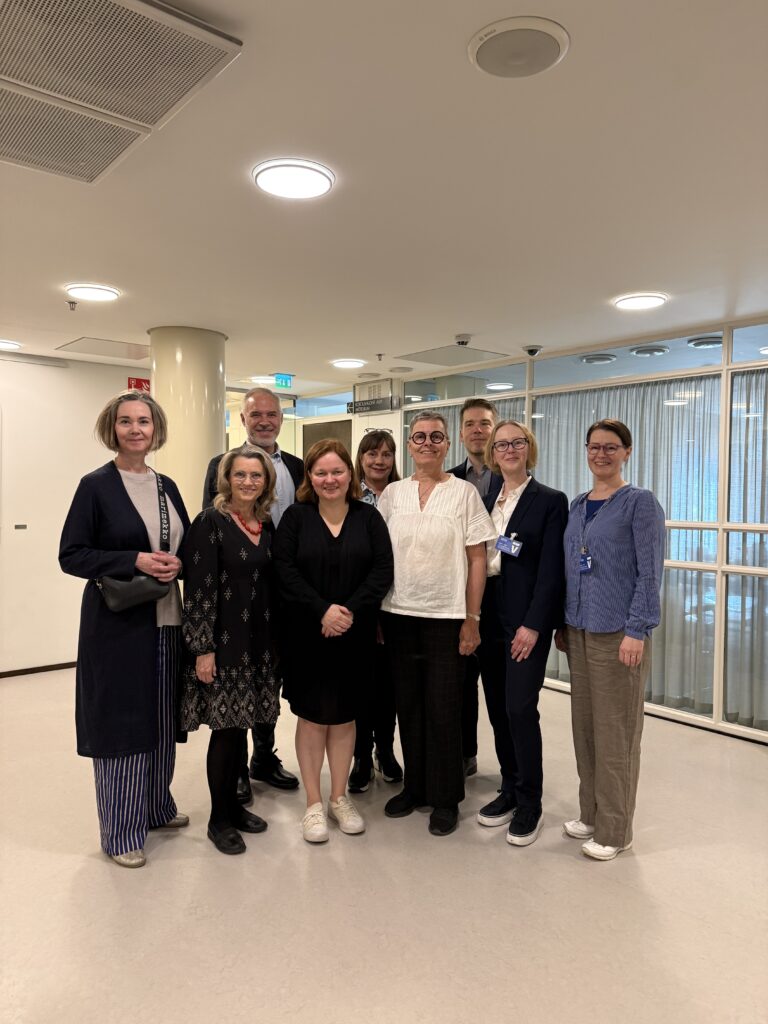
- May 26: The Organisation for Respiratory Health in Finland (Hengitysliitto) successfully convened the first meeting of the newly established Respiratory Health Network at the Finnish Parliament. This milestone marks a significant step in institutionalizing patient-clinical dialogue at the state level.
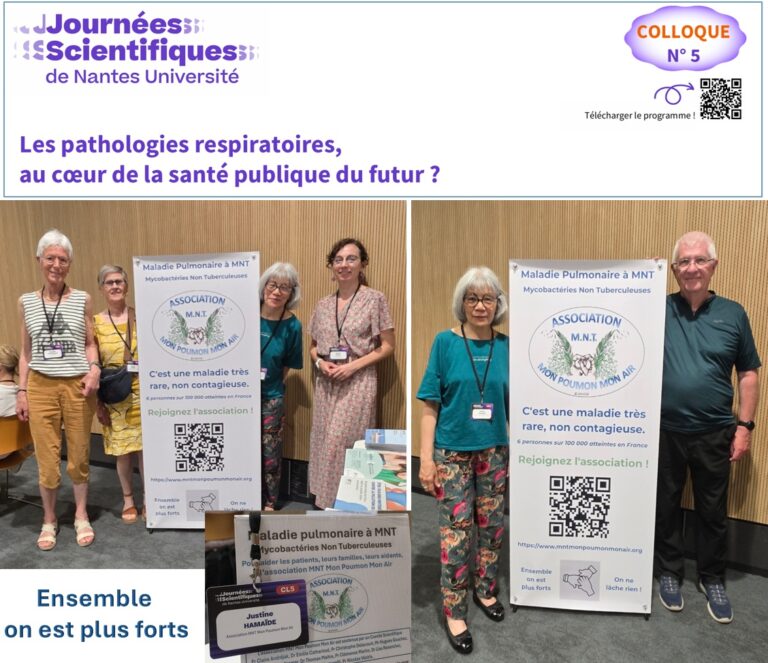
- May 29: Association MNT Mon Poumon Mon Air participated in the Nantes University respiratory research day, ensuring the patient voice was central to discussions on how environmental factors and diet influence chronic lung conditions.
Early June: World Asthma Day & Global Summits
- June 4–5: The FFAAIR (Federation of Respiratory Patients) held its 37th annual congress in Strasbourg, France. The event focused on the harmonization of patient care standards across the country, tackling the disparity in access to care for rural versus urban populations.
- June 12: The Asthma Society of Ireland released compelling new survey data on childhood asthma, identifying critical cost-related barriers that prevent families from accessing essential medication.
3. Supporting Data: Translating Experience into Evidence
Data remains the most potent tool in the patient advocate’s arsenal. Several organizations have utilized the month of June to publish or leverage findings that challenge existing care models.
- Childhood Asthma Gaps: The Asthma Society of Ireland’s recent report highlights a disturbing trend: disrupted sleep and missed schooling due to the financial burden of inhaler therapy. This data is currently being used to lobby for expanded subsidies for pediatric respiratory care.
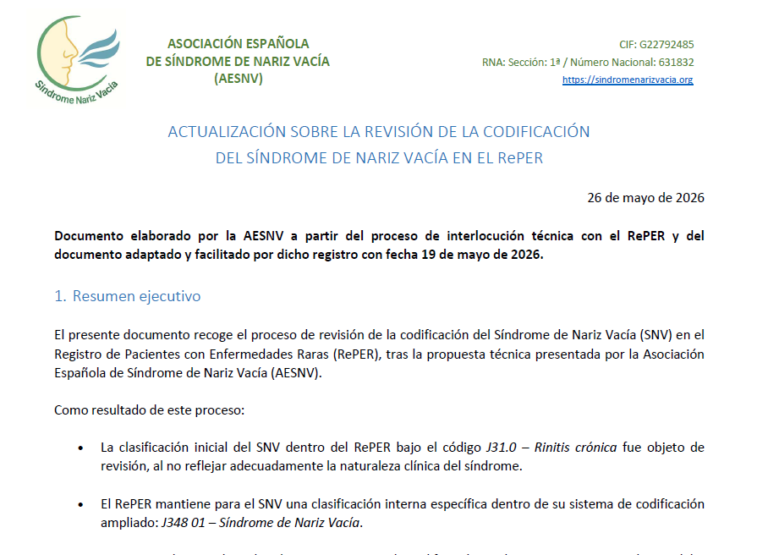
- Empty Nose Syndrome (ENS) Classification: A major victory for the AESNV (Spain) was the collaboration with the Rare Disease Patient Registry (RePER). By securing a distinct, clearer coding for ENS, the organization has effectively moved the condition from an ambiguous "general nose condition" to a recognized, tracked diagnosis. This is expected to improve diagnostic accuracy and clinical outcomes significantly.
- Antifungal Resistance: The Aspergillosis Trust has integrated itself into the "Fungal One Health" discourse. By linking patient lived experience with AMR (Antimicrobial Resistance) networks, they are providing researchers with qualitative data on the progression of fungal infections that clinical trials often miss.
4. Official Responses and Advocacy Highlights
The efficacy of these organizations lies in their ability to bridge the gap between the lab and the living room.
Enhancing Diagnostic Accessibility
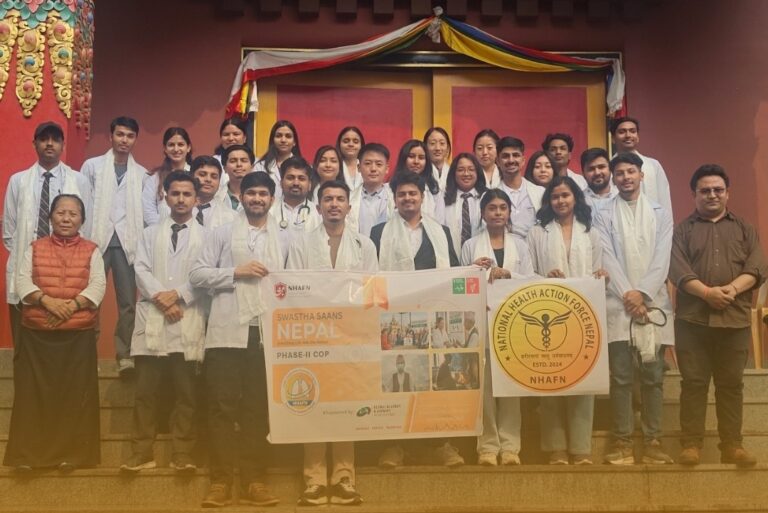
The National Health Action Force Nepal (NHAFN), through their Swastha Saans project, has proven that high-tech solutions are not always necessary for high-impact outcomes. By deploying basic, portable spirometry at local outreach sites, they have successfully identified undiagnosed cases of COPD and asthma in regions where the nearest hospital is often days away.
Personalized Medicine and Support
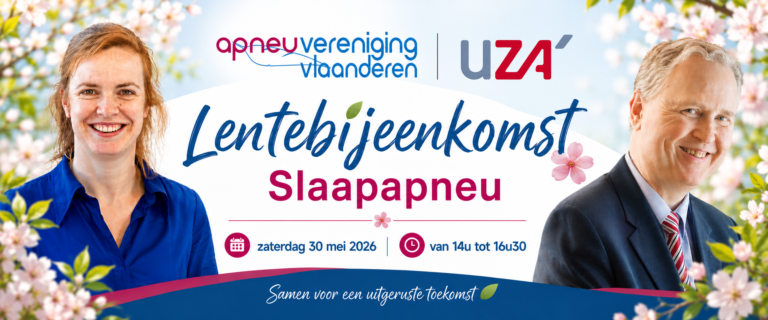
In the Netherlands, the ApneuVereniging facilitated a breakthrough in patient-specialist interaction. By hosting a joint event with professors from the University of Antwerp, they enabled patients to participate directly in the design of personalized sleep apnoea treatment pathways.
Cultural Integration of Advocacy
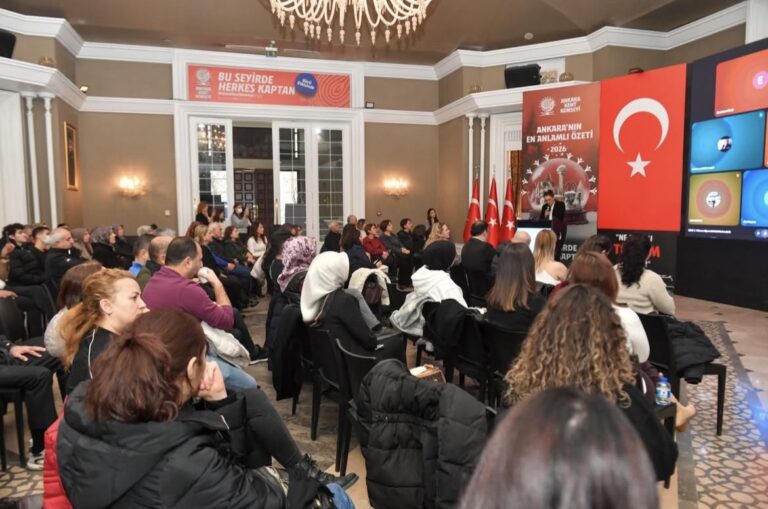
The SÄLYADER association in Türkiye represents a unique model of advocacy. Founded by the parent of a young person living with Primary Ciliary Dyskinesia (PCD), the organization leveraged national media to publish a series of interviews. This moved the conversation on PCD out of the medical clinic and into the public consciousness, humanizing a condition that is frequently misunderstood.
5. Implications: The Future of Patient-Centric Care
The collective activities of these organizations indicate a maturation of the global patient advocacy movement. The implications for the future of respiratory care are profound:
The Shift to "Patient-as-Partner"
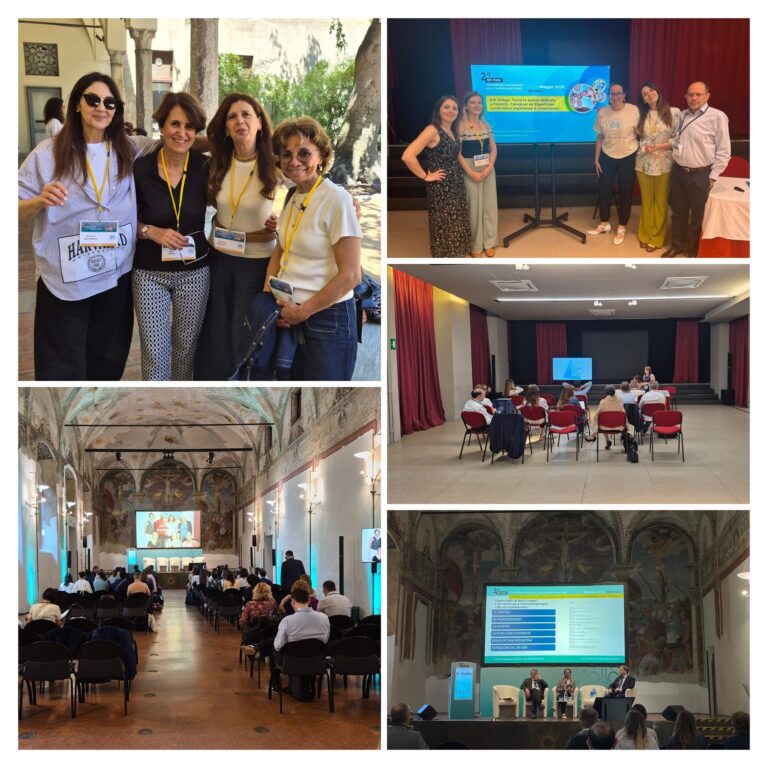
Gone are the days when patient organizations were purely support groups. Today, they are serving as consultants for clinical trials, participants in parliamentary committees, and contributors to medical textbooks. The Italian Association of Bronchiectasis APS, through its "Patient Village" at their national congress, demonstrated that when patients are given a seat at the table, the resulting healthcare pathways are more practical, empathetic, and ultimately, more successful.

The Role of Technology and Social Connectivity
From LAM Academy Sweden’s "Walk and Talk" sessions in Stockholm to the Padua Lung Transplant Patients Association’s charity volleyball tournament, there is a clear trend toward utilizing social, physical, and digital spaces to build community. These interactions are not merely social; they are crucial for mental health and the dissemination of self-management techniques.
Addressing Environmental and Global Health
Organizations like NEUMOAI (PneumoLight 2026) are thinking globally. By coordinating the lighting of 156 landmarks across 30 countries, they have demonstrated the power of international synchronization. Furthermore, the focus on environmental factors—as seen in the discussions hosted by Association MNT Mon Poumon Mon Air—suggests that patient organizations are increasingly aligning their advocacy with broader ecological and public health goals, such as air quality and environmental health.

Conclusion: A Call to Continued Engagement
As we look past June 2026, the trajectory for the Patient Organisation Network is clear: toward greater integration, deeper scientific literacy, and a more aggressive stance on policy reform. The work being done by these groups is the bedrock upon which future respiratory health policies will be built.
We invite our readers to stay connected with these initiatives. Whether you are a patient, a caregiver, a clinician, or a policymaker, the insights gained from these organizations are invaluable.
To receive the latest updates, research breakthroughs, and news on upcoming advocacy campaigns, we encourage you to join our mailing list. Your participation is the engine that drives this global movement forward.
Quick Links to Featured Organizations
- National Health Action Force Nepal (NHAFN)
- Asthma Ghana
- Italian Association of Bronchiectasis
- Hengitysliitto (Finland)
- ApneuVereniging (Netherlands)
- Spanish Association for Empty Nose Syndrome (AESNV)
- Aspergillosis Trust
- Asthma Society of Ireland
- PneumoLight 2026
Disclaimer: This round-up is a summary of activities provided by our member organizations. For specific medical advice, please consult your healthcare professional.