




Irritable Bowel Syndrome (IBS) is often dismissed as a mere nuisance—a case of "nervous stomach" or dietary sensitivity. However, for the estimated 14 percent of the global adult population grappling with this condition, the reality is far more harrowing. Recent research has revealed a startling truth: the burden of IBS is so profound that many patients would willingly trade 10 to 15 years of their life expectancy for an immediate and permanent cure.
This desperate desire for relief highlights the psychological and physical toll of a disorder that is frequently misunderstood, under-treated, and stigmatized.
The Invisible Burden: Understanding the Scope of IBS
IBS is the most commonly diagnosed digestive disorder worldwide. Despite its prevalence, it remains a condition defined by what it is not. Unlike Crohn’s disease or ulcerative colitis, which fall under the umbrella of Inflammatory Bowel Disease (IBD), IBS does not cause visible structural damage to the intestinal wall, nor does it present with infections or tumors on medical imaging.
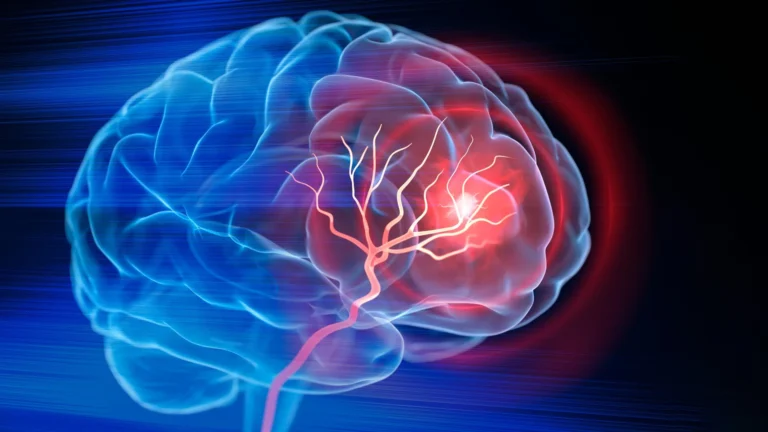
For years, this lack of physiological "evidence" led the medical community to dismiss IBS as a purely psychosomatic issue. Today, however, that perspective has shifted significantly. Experts now classify IBS as a functional neuro-gastrointestinal disorder. This means the communication highway between the gut and the brain—the "gut-brain axis"—is firing incorrectly. The nerves in the gastrointestinal (GI) tract are either over-sensitive, signaling pain when there is none, or they are misfiring, causing the muscles of the bowel to contract with either too much or too little force.
The Human Cost: More Than Just Discomfort
The symptoms of IBS are diverse and unpredictable, ranging from urgent, debilitating bouts of diarrhea and excessive gas to persistent, agonizing constipation. Some patients report abdominal cramping so severe they describe it as worse than the pain of childbirth.
This leads to a phenomenon known as gastrointestinal-specific anxiety. The constant fear of a sudden flare-up forces many individuals to plan their entire lives around the proximity of a clean, private restroom. This hyper-vigilance leads to social isolation, as sufferers frequently avoid restaurants, family gatherings, and exercise, fearing a public incident. Studies suggest that this constant state of anxiety contributes to a lower quality of life for IBS patients than for those suffering from chronic, "visible" conditions like heart disease or diabetes.

Chronology of a Diagnosis: From Symptoms to Solutions
The path to managing IBS is rarely linear. Because symptoms overlap with celiac disease, food allergies, and even colorectal cancer, a professional diagnosis is the critical first step.
The Diagnostic Process
Healthcare providers typically follow a structured approach to rule out more serious pathology. This involves:
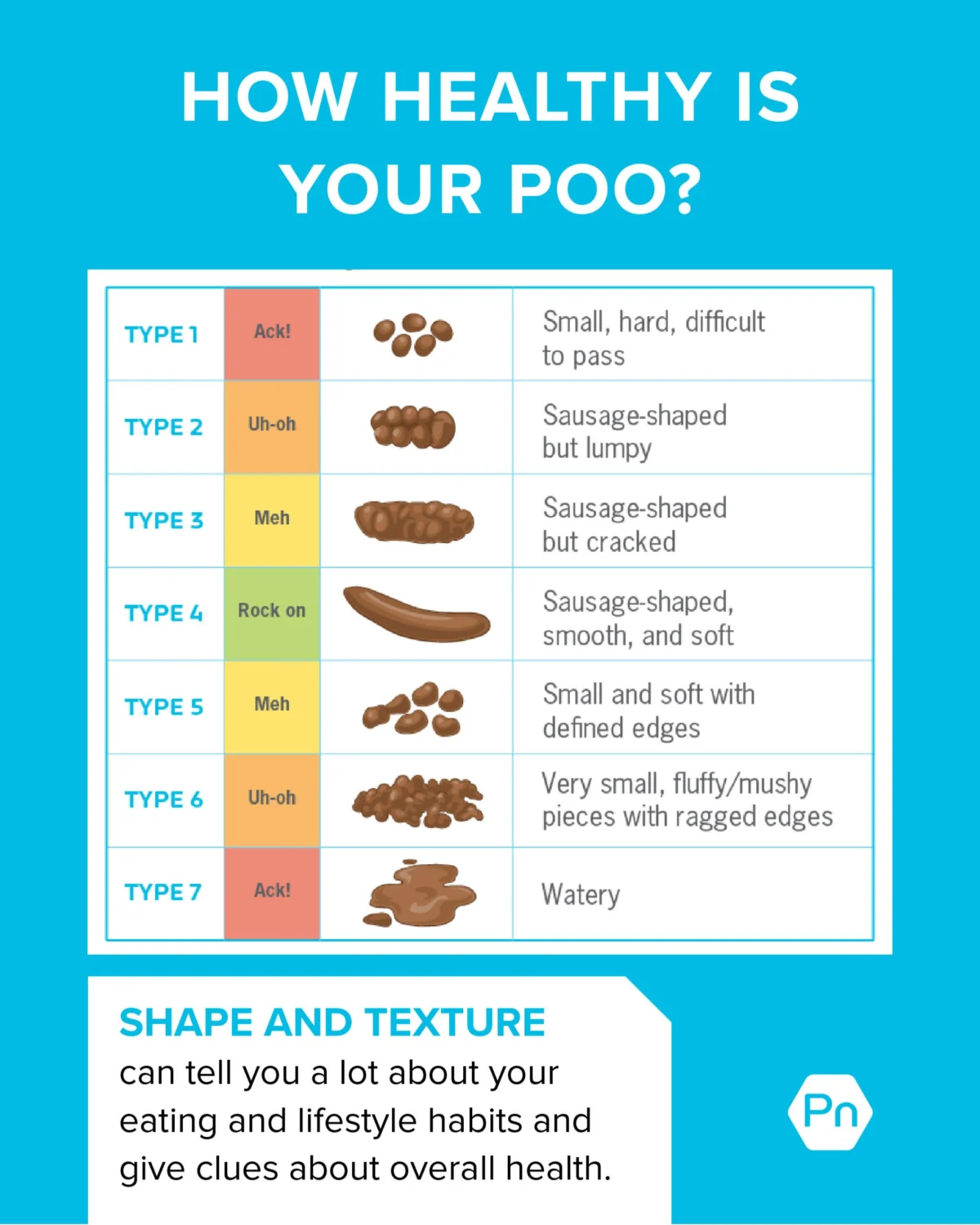
- Symptom Review: Assessing the frequency and nature of bowel movements using tools like the Bristol Stool Chart.
- Exclusionary Testing: Ruling out infections, inflammation (IBD), and malabsorption issues.
- Categorization: Identifying the "type" of IBS, which dictates the treatment plan.
The common subtypes include IBS-D (predominantly diarrhea), IBS-C (predominantly constipation), and IBS-M (mixed bowel habits). Once identified, medical professionals may prescribe targeted medications, such as antidiarrheals for IBS-D or fiber supplements and specialized laxatives for IBS-C.
Evidence-Based Strategies for Symptom Management
While medication plays a vital role, the most effective management often involves a multi-disciplinary approach. Sarah Maughan, a PN Super Coach certified through Monash University, emphasizes that lifestyle changes are the cornerstone of long-term relief.
1. The Role of Physical Activity
Regular exercise is a potent tool for GI health. Clinical studies indicate that moderate walking, performed for 60 minutes three times a week, can lead to significant reductions in bloating and pain within 12 weeks. Exercise appears to modulate stress hormones and potentially foster a healthier gut microbiome, which facilitates more efficient digestion.
2. Nervous System Regulation
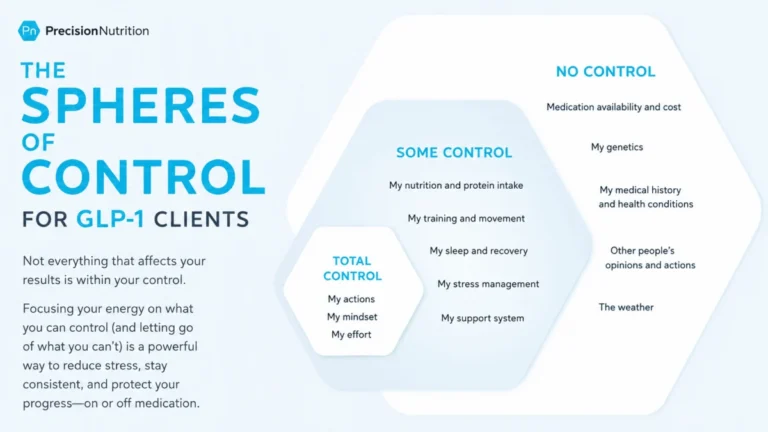
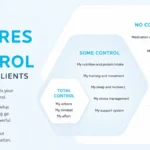
Stress does not cause IBS, but it certainly exacerbates it. Stress hormones like cortisol and norepinephrine can physically alter gut motility. Rather than trying to "turn off" stress, coaches suggest focusing on what is within a patient’s "Sphere of Control"—such as sleep hygiene, breathing exercises, and self-compassion practices—to lower the baseline level of systemic inflammation.

3. The Art of Mindful Eating
"Slow eating" is a surprisingly effective intervention. By eating in a relaxed environment and chewing food thoroughly, patients reduce the mechanical burden on the stomach and allow digestive enzymes to begin the work of breaking down food before it even reaches the intestines. This simple habit can drastically reduce acid reflux and post-prandial pain.
4. Sleep Hygiene and Recovery
There is a reciprocal relationship between poor sleep and IBS. Fatigue increases stress sensitivity, which worsens gut pain, which in turn ruins sleep quality. Breaking this cycle often requires a dedicated evening wind-down routine—such as journaling or meditation—to shift the body into a parasympathetic "rest and digest" state before bed.
5. Dietary Investigation: The Elimination Approach
Diet is highly individual. While there is no "IBS diet," many patients find relief by identifying triggers. Common culprits include:
- FODMAPs: Fermentable carbohydrates that can cause gas and water retention in the gut.
- Caffeine and Alcohol: Known intestinal irritants.
- High-Fat Foods: These can slow down transit time and lead to discomfort.
Maughan warns against restrictive, long-term dieting. Instead, she advocates for structured elimination diets. By removing potentially problematic foods for three weeks and then slowly reintroducing them, patients can identify their specific triggers without unnecessary nutritional deprivation.
Implications for Health Coaching and Professional Boundaries
As the understanding of IBS evolves, so does the role of the health coach. Coaches are uniquely positioned to help clients bridge the gap between "knowing" what to do and "doing" it. However, the scope of practice is a critical boundary that must be respected.
The Coach’s Role: A Code of Conduct
Coaches can and should provide support, but they must never act as medical doctors. The following table outlines the essential professional boundaries:

| DO | DON’T |
|---|---|
| Encourage medical screening for a diagnosis. | Attempt to diagnose the client. |
| Help clients run dietary experiments. | Prescribe a "cure-all" restrictive diet. |
| Collaborate with the client’s medical team. | Contradict medical advice. |
| Provide tools, recipes, and support. | Create a prescriptive meal plan. |
Conclusion: Reclaiming Autonomy
The goal of managing IBS is not to achieve a "perfect" gut, but to empower the individual to live a life not dictated by their symptoms. Knowledge is the ultimate tool in this process. When a person understands their triggers and masters their stress response, they regain the ability to make choices.
As Maughan notes, "With knowledge, you have choices." Whether a client decides to avoid a trigger food for a high-stakes meeting or chooses to indulge in a favorite meal on a quiet weekend, they are no longer at the mercy of their condition. By combining medical oversight with sustainable, evidence-based lifestyle habits, those with IBS can move from a state of fear and restriction to a state of agency and wellness.
For those looking to deepen their expertise, platforms like the PN Level 1 Nutrition Coaching Certification provide the necessary framework to help clients navigate these complex, sensitive health journeys with confidence, empathy, and professional integrity.