








In a discovery that could fundamentally reshape the landscape of cardiovascular medicine, researchers at the UT Southwestern Medical Center have identified a previously unrecognized protein—HELZ2—that acts as a master regulator of cholesterol transport. By modulating the genetic instructions responsible for the production of lipoproteins, this protein serves as a biological "rheostat," governing the delicate balance between cholesterol circulating in the bloodstream and fat stored within the liver.
The study, published in the prestigious journal Circulation, introduces a paradigm shift in how scientists approach the treatment of hyperlipidemia and metabolic disorders. Rather than focusing on the traditional downstream targets of current pharmacology, this discovery points toward an upstream intervention at the mRNA level, potentially offering a safer, more precise alternative to conventional cholesterol-lowering therapies.
The Biological Mechanism: Targeting the Blueprint
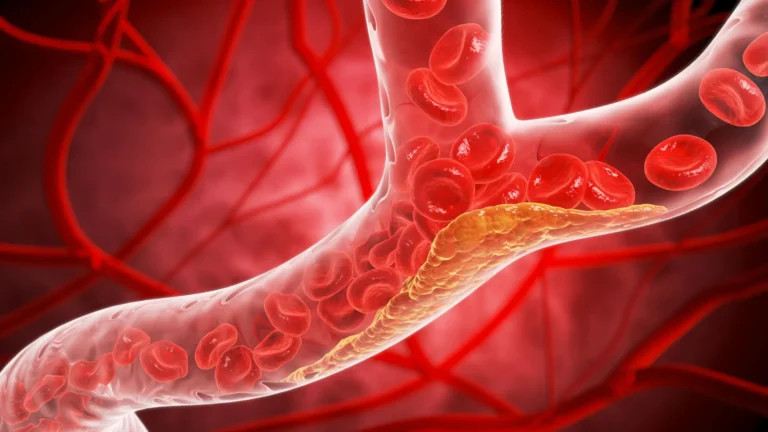
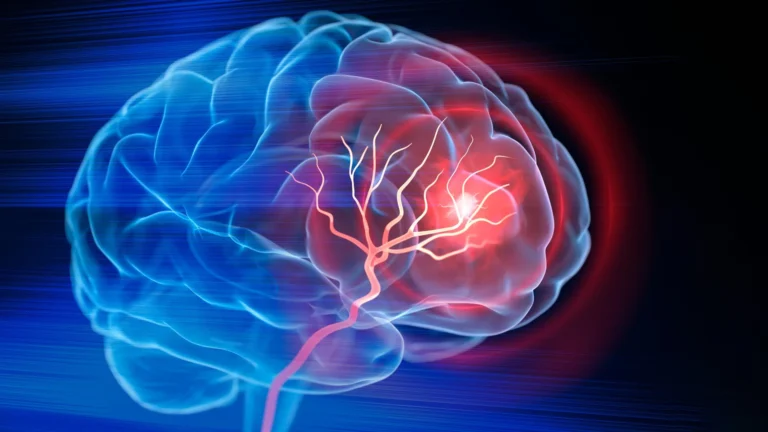
To understand the significance of HELZ2, one must first understand the process of lipoprotein synthesis. The liver produces particles known as apolipoprotein B (apoB) lipoproteins, which function as the primary delivery vehicles for cholesterol and triglycerides throughout the body. While essential for cellular health, an overabundance of these particles—particularly LDL (low-density lipoprotein)—leads to the accumulation of plaque in the arteries, the precursor to heart attacks and strokes.
Historically, medical science has targeted the cholesterol molecule itself or the enzymes that synthesize it, such as HMG-CoA reductase (the target of statins). However, the UT Southwestern team, led by Dr. Zhao Zhang, identified that HELZ2 operates much earlier in the manufacturing chain.
HELZ2 functions by regulating the lifespan of the APOB messenger RNA (mRNA). Messenger RNA is the cellular template used to translate genetic code into functional proteins. When HELZ2 is active, it actively degrades the APOB mRNA, effectively "shredding" the instructions before the liver can produce the apoB protein. Consequently, fewer lipoproteins are assembled and secreted into the bloodstream.
"Most previous research focused on what happens to apoB after it’s already made," noted Dr. Yiao Jiang, a postdoctoral researcher in the Zhang Lab and co-author of the study. "What surprised us is that HELZ2 acts much earlier, by controlling how long the apoB ‘message’ survives before the protein is even produced."
Chronology of Discovery: From Genetic Screening to Clinical Potential
The path to this discovery was paved by the innovative genetic screening infrastructure at UT Southwestern, spearheaded by Nobel laureate Dr. Bruce Beutler. The process of identifying HELZ2 was not an overnight endeavor but the result of a rigorous, multi-year investigative cycle:
- Initial Observation: Researchers were investigating unexplained instances of fatty liver development in laboratory mice. They observed that specific genetic variations led to an unexpected accumulation of lipids within the liver tissue.
- Genetic Mapping: Utilizing a large-scale genetic screening system, the team isolated the mutation responsible for the phenotypic changes. They discovered a gain-of-function mutation that caused the HELZ2 protein to become hyperactive.
- Mechanism Verification: Upon identifying the mutation, the team cross-referenced it with the stability of APOB mRNA. They confirmed that the increased activity of HELZ2 directly resulted in the rapid decay of these genetic instructions.
- Validation of Consequences: The team observed the physiological effects: while the mice saw a significant decrease in circulating LDL cholesterol and triglycerides, they simultaneously experienced an increase in liver fat, confirming the "dial" mechanism of the protein.
Supporting Data: The Delicate Balance of Metabolic Health
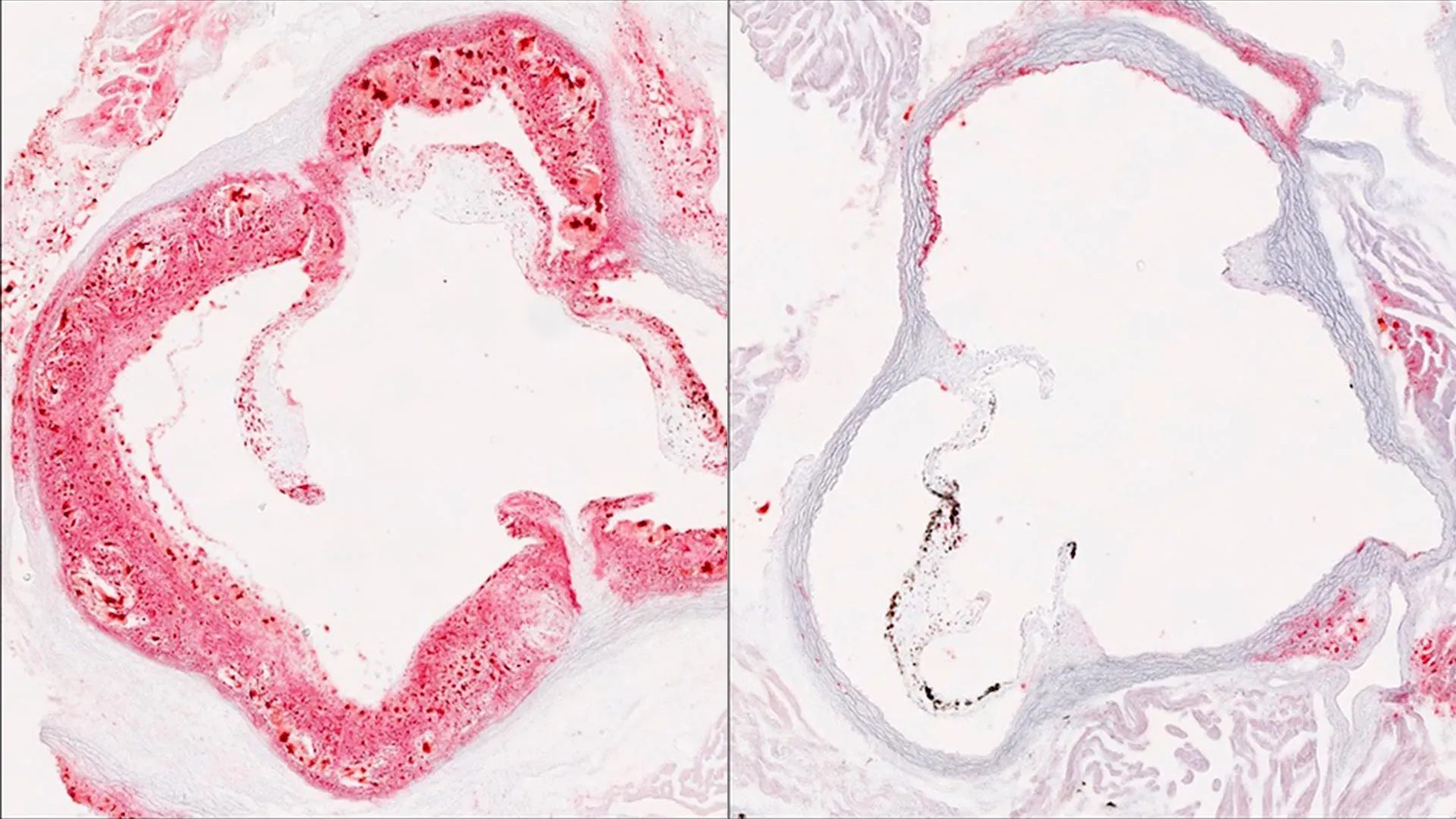
The research highlights a fundamental metabolic trade-off. In the study, mice carrying the HELZ2 mutation showed significant protection against atherosclerosis. Their blood chemistry was markedly improved, showing lower levels of the particles known to clog arteries.
However, the findings also unveiled a cautionary tale regarding metabolic homeostasis. When HELZ2 was highly active, the reduction in secreted lipoproteins meant that fat that would otherwise have been exported to the body was instead retained in the liver. Conversely, when the researchers observed lower HELZ2 activity, they saw an increase in blood cholesterol and a reduction in hepatic fat.
This discovery provides a critical insight into the "liver-bloodstream axis." It demonstrates that the liver is not merely a production site but a storage facility that must manage its inventory carefully. This data suggests that any therapeutic intervention targeting HELZ2 must be finely tuned to avoid unintended consequences—specifically, the promotion of non-alcoholic fatty liver disease (NAFLD) while treating hyperlipidemia.
Official Responses and Expert Perspectives
The implications of this study have resonated throughout the scientific community, as it provides a novel "molecular lever" for managing metabolic syndrome.
Dr. Zhao Zhang, the senior author and Assistant Professor in the Center for the Genetics of Host Defense and Internal Medicine at UT Southwestern, emphasized the shift in perspective. "The idea that we can control apoB at the RNA level represents a major shift in how we think about cholesterol regulation," he stated. "It gives us a new molecular lever—and potentially a new set of tools—for tackling these conditions."
Dr. Bruce Beutler, whose work in immunology and genetic screening provided the foundation for this study, underscored the importance of the methodology. By using unbiased, large-scale genetic screening, the team was able to identify regulatory pathways that standard hypothesis-driven research might have missed.
The medical community has greeted these findings with cautious optimism. If researchers can develop a drug that modulates HELZ2 activity with precision, they might be able to create a "smart" cholesterol treatment that can be titrated to the specific needs of a patient—lowering blood cholesterol without causing a dangerous accumulation of fat in the liver.
Implications: Beyond the Statin Era
For decades, statins have been the gold standard for treating high cholesterol. While effective, they are not without limitations, including side effects like muscle pain and the fact that they do not work for all patients. The discovery of the HELZ2 pathway opens doors to a new class of "RNA-directed" therapies.
Future Therapeutic Avenues
- Precision Medicine: Because HELZ2 acts on mRNA, future drugs could potentially use antisense oligonucleotides (ASOs) or small-molecule inhibitors to modulate the protein’s activity, allowing for personalized cholesterol management.
- Dual-Condition Treatment: The discovery is particularly promising for patients suffering from comorbid conditions—those who might have both high cholesterol and early-stage fatty liver disease. By identifying the exact "set point" for HELZ2, doctors could potentially manage both conditions simultaneously.
- Preventative Cardiology: Understanding the genetic regulation of cholesterol synthesis allows for earlier identification of patients at risk of heart disease, potentially before physical plaque buildup is detectable via standard imaging.
Challenges Ahead
Despite the excitement, the transition from murine studies to human clinical trials is a long and arduous process. The primary challenge will be safety; because the liver is essential for fat metabolism, researchers must ensure that manipulating the HELZ2 pathway does not lead to systemic metabolic disruption. Further studies are required to determine if there are tissue-specific ways to target HELZ2 within the liver while sparing other metabolic processes.
Conclusion: A New Frontier
The identification of HELZ2 as a regulator of APOB mRNA stability represents a milestone in the study of metabolic disease. By peering into the "genetic instruction manual" of the liver, Dr. Zhang and his colleagues have unlocked a new way to intervene in the progression of heart disease.
While it will be years before a HELZ2-targeting drug reaches the pharmacy shelf, the scientific community now has a clearer understanding of the biological dial that controls our blood lipid profile. As research progresses, the focus will shift from simply "lowering numbers" to mastering the complex regulatory pathways that define human metabolic health. This discovery serves as a powerful reminder that the most effective treatments for our most stubborn diseases often lie hidden in the complex, elegant, and highly regulated machinery of our own cells.
The study was supported by grants from the National Institute of Diabetes and Digestive and Kidney Diseases of the National Institutes of Health (R00DK115766 and R01DK130959). Dr. Beutler, a Regental Professor and recipient of the 2011 Nobel Prize in Physiology or Medicine, continues to lead the Center for the Genetics of Host Defense at UT Southwestern, fostering an environment where such high-impact discoveries can thrive.