









As the global population ages, the medical community faces an escalating challenge: the biological decline of skin integrity. For older adults, a simple surgical incision or a minor accidental scrape can transform into a protracted medical ordeal. Chronic wounds, delayed healing, and surgical complications are not merely inconveniences; they are significant drivers of morbidity in geriatric care. However, a promising new avenue of research suggests that the secret to restoring youthful healing capabilities may lie in clearing out the "zombie cells" that clutter aging tissue.
Recent research published in Aging (Aging-US) has unveiled a potential breakthrough: a topical treatment using a senolytic drug, ABT-263, which effectively clears senescent cells and accelerates the repair process in aged skin. This study, led by a multidisciplinary team from the Boston University Aram V. Chobanian and Edward Avedisian School of Medicine, marks a critical step toward transforming how we approach preoperative care and wound management for older patients.
The Problem: The Accumulation of "Zombie Cells"
To understand the innovation, one must first understand the culprit. As humans age, our cells undergo a process known as senescence. Instead of dying off when they become damaged or dysfunctional, these "senescent" cells enter a state of permanent growth arrest. They do not function as they should, yet they refuse to exit the cellular landscape.
These cells, colloquially dubbed "zombie cells," remain metabolically active. They secrete a potent cocktail of inflammatory proteins, growth factors, and proteases—a phenomenon known as the Senescence-Associated Secretory Phenotype (SASP). In healthy, younger skin, senescent cells are cleared by the immune system. However, as we age, our immune surveillance weakens, allowing these cells to accumulate. Once they reach a critical mass, they act as a "broken link" in the chain of tissue regeneration, constantly signaling to surrounding healthy cells to halt their repair efforts and promoting chronic inflammation.
Chronology of the Research: From Laboratory Concept to Clinical Potential
The journey toward this discovery has been marked by a transition from broad systemic aging research to highly targeted, localized therapeutic interventions.
2024: The Boston University Discovery
The study, led by researchers including Maria Shvedova, Daniel S. Roh, and their colleagues, sought to determine if they could artificially clear this cellular clutter. They focused on ABT-263 (navitoclax), a well-known senolytic agent. While previous studies had explored the systemic use of senolytics—administering them orally to target age-related disease throughout the body—the team at Boston University hypothesized that a topical application would be safer and more effective for skin-specific issues.
In their experimental model, aged mice were treated with a topical application of ABT-263 for five days. The results were striking: the density of senescent cells in the treated skin dropped significantly. When researchers introduced small wounds to the treated areas, the skin exhibited a robust, rapid healing response. By day 24, a remarkable 80% of the treated mice had achieved full wound closure, compared to only 56% in the untreated control group.
2025–2026: Building the Foundation
Following the initial 2024 publication, the broader scientific community accelerated efforts to refine the technology. A 2025 review in Ageing Research Reviews codified the field’s consensus: cellular senescence is a primary driver of skin pathology. By 2026, researchers began applying these principles to complex medical scenarios, such as diabetic ulcers. A 2026 study introduced a localized wound dressing embedded with ABT-263, demonstrating that the drug could be delivered directly to the site of a chronic wound without causing systemic toxicity—a major milestone for safety.
The Mechanism: A Paradoxical Healing Boost
One of the most counterintuitive findings in the Boston University study was the role of inflammation. Typically, medicine aims to suppress inflammation to promote healing. However, the researchers discovered that the application of ABT-263 triggered a short, controlled burst of inflammation.
Rather than being detrimental, this "inflammatory signal" appeared to act as a biological wake-up call. It effectively signaled to the surrounding tissue that the "zombie cell" barrier had been removed and that the skin needed to transition into an active repair state.
Genomic Activation
Following this burst, the gene activity in the treated tissue shifted dramatically. Pathways responsible for:
- Collagen Synthesis: Essential for providing the structural scaffold of new skin.
- Angiogenesis: The growth of new blood vessels to supply oxygen and nutrients to the wound.
- Tissue Remodeling: The complex reorganization of the extracellular matrix to restore tensile strength.
These pathways, which are typically "sluggish" or dormant in geriatric skin, were suddenly upregulated, allowing the skin to repair itself with the vigor more characteristic of younger tissue.
Why Topical Delivery Is a Game-Changer
The shift toward topical administration is not merely a preference; it is a tactical necessity. Systemic senolytics, while powerful, circulate throughout the entire body. This can lead to off-target effects, potentially damaging healthy cells in vital organs or disrupting the immune system’s delicate balance.
By contrast, applying ABT-263 directly to the skin allows for a localized "housecleaning." The researchers noted that the treatment had minimal impact on young mice, which naturally have fewer senescent cells. This suggests a therapeutic window: the drug is primarily active in environments where the "zombie cell" burden is high, effectively leaving healthy, younger tissue largely unaffected.
Implications for Future Geriatric Care
The implications of this research are profound, particularly for elective surgeries and chronic wound management. Currently, surgeons are often forced to delay procedures or manage high-risk recovery expectations for elderly patients whose skin is prone to dehiscence (the reopening of a wound) or delayed closure.
Preoperative "Priming"
The study suggests a future where patients could undergo a brief course of topical senolytic treatment in the days leading up to a planned surgery. By "priming" the skin to clear out senescent cells, surgeons might be able to ensure faster, cleaner healing, drastically reducing the risk of surgical site infections and scarring.
Chronic Wound Management
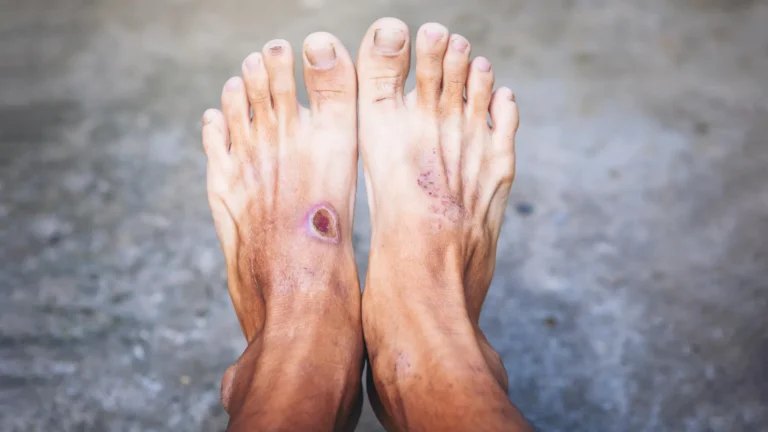
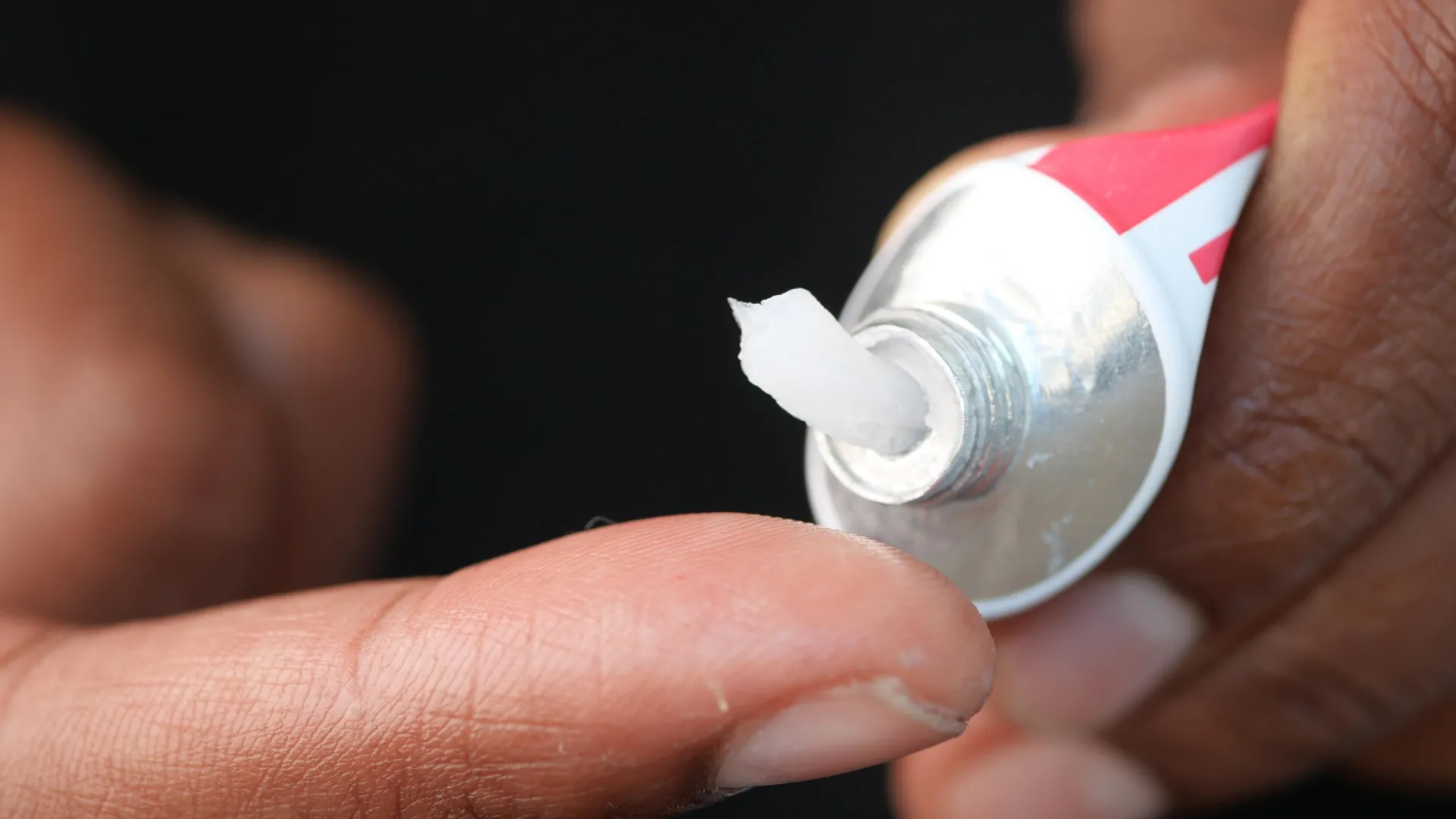
For patients suffering from diabetic ulcers, pressure sores, or venous stasis ulcers, the current standard of care is often grueling and ineffective. Incorporating senolytics into dressings or ointments could provide the "metabolic push" that these patients’ bodies currently lack, turning a chronic wound that has been open for months into one that can finally close.
Cautions and the Path Forward
Despite the excitement, researchers urge tempered optimism. The study was conducted on murine models, and the biological differences between mice and humans are significant.
- Dosing and Timing: There is no "one size fits all" for senolytics. Determining the precise dosage and duration of application is critical. Too much could hinder the beneficial role of senescence in the early stages of wound healing; too little will fail to clear the target cells.
- Safety Profiles: While topical application reduces systemic risk, the potential for local irritation or long-term effects on the skin’s microbiome and barrier function must be rigorously studied in clinical trials.
- Biological Nuance: As noted by a 2024 Frontiers in Immunology review, not all senescent cells are "bad." Some play an essential role in the very early stages of tissue repair. Scientists must develop "precision senolytics" that can distinguish between helpful, transient senescent cells and the persistent, inflammatory ones that cause chronic damage.
Conclusion
The study from the Boston University team, supported by the burgeoning field of senolytic research, provides a clear roadmap for the future of dermatology and surgical recovery. By targeting the cellular mechanisms of aging rather than just the symptoms, we are moving closer to a paradigm where "old" skin does not necessarily have to be "slow" skin.
As the research moves toward human clinical trials, the medical community will be watching closely. If these results can be replicated in humans, the topical application of ABT-263 could represent one of the most significant advancements in geriatric wound care in decades, turning the tide against the "zombie cells" that have long held the healing process hostage. For the millions of older adults who face the prospect of surgery or the reality of chronic wounds, this research offers more than just hope—it offers a tangible, scientifically grounded path to a faster, more effective recovery.