









The legislation arrives at a critical juncture as the nation continues to struggle with a youth mental health crisis that has been described by the Surgeon General as the "defining challenge of our time." By focusing on visibility, accessibility, and youth-led solutions, the Campus Lifeline Act seeks to bridge the gap between students in crisis and the life-saving resources available to them.
Main Facts: A New Blueprint for Campus Safety
The Campus Lifeline Act (H.R. 8657) was introduced on May 4, led by a bipartisan coalition of lawmakers including Representatives Erin Houchin (R-IN), Lori Trahan (D-MA), David Valadao (R-CA), and Mark Pocan (D-WI). The bill is built upon two foundational pillars intended to modernize mental health infrastructure within higher education.
First, the act mandates the inclusion of the 988 Suicide & Crisis Lifeline on all newly issued student identification cards. This provision aims to ensure that the national emergency number for mental health is as ubiquitous as campus security or emergency services. By placing the number directly into the pockets of millions of students, the bill seeks to eliminate the "search time" during a psychological emergency.
Second, the legislation authorizes increased federal investment in youth-informed mental health strategies. Rather than relying solely on top-down administrative mandates, the bill encourages colleges to adopt programs designed and vetted by students themselves. This includes expanding peer support networks and early intervention programs that address mental health struggles before they escalate into acute crises.
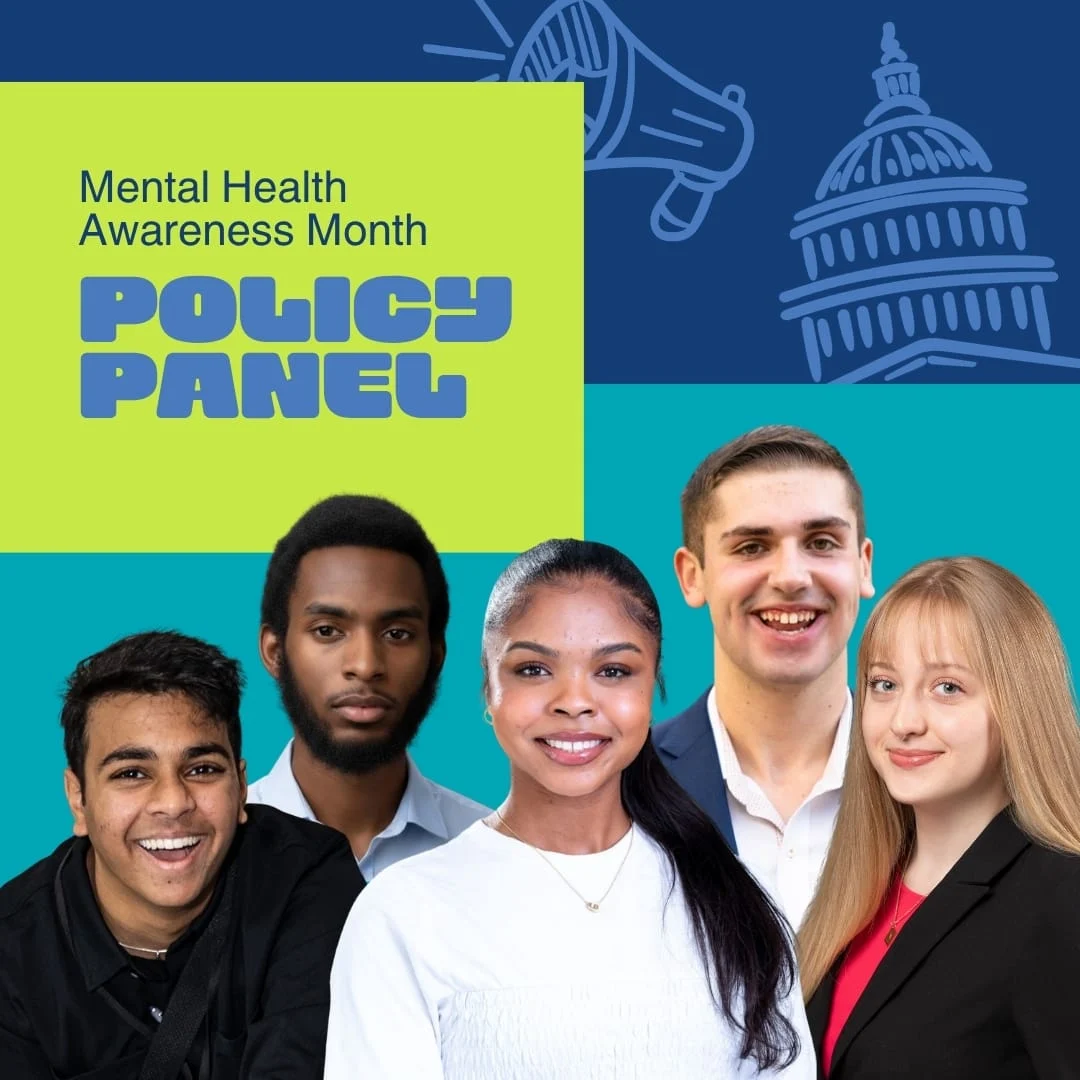
The introduction of the bill coincided with a congressional briefing titled “Advancing 988 and Peer Support: Youth Voices Take the Lead on Capitol Hill.” This event brought together youth advocates, mental health professionals, and legislative staff to discuss how federal policy can better reflect the lived experiences of young adults.
Chronology: From a Dorm Room Idea to the Halls of Congress
The journey of the Campus Lifeline Act did not begin in a Washington think tank, but rather in a student lounge at the University of Dayton a decade ago. In 2014, members of the local Active Minds chapter proposed a simple yet radical idea: what if the university placed suicide prevention hotlines on the back of every student ID card?
At the time, the proposal was a grassroots effort to increase resource visibility. Over the next ten years, the initiative gained momentum, spreading through Active Minds’ network of over 600 chapters across the country. As more campuses adopted the practice voluntarily, the data began to show that visibility directly correlated with increased resource utilization.
The timeline of the bill’s development reflects a broader shift in the national conversation:
- 2014: University of Dayton students advocate for hotline numbers on ID cards.
- 2018–2022: Dozens of universities and several states begin implementing similar mandates at the state level.
- July 2022: The United States officially launches the 988 Suicide & Crisis Lifeline, simplifying the previous 10-digit National Suicide Prevention Lifeline.
- 2023: Active Minds begins drafting federal language to standardize these requirements nationwide and increase funding for peer-led models.
- May 4, 2024: The Campus Lifeline Act is formally introduced in the 119th Congress with bipartisan sponsorship.
This progression highlights a growing recognition that students are not just recipients of care, but are often the primary architects of the support systems they need.
Supporting Data: The Magnitude of the Crisis and the Impact of 988
The necessity of the Campus Lifeline Act is underscored by staggering statistics regarding youth mental health. According to the Centers for Disease Control and Prevention (CDC), suicide remains the second leading cause of death among individuals aged 10 to 34 in the United States. Globally, it is the third leading cause of death for those aged 15 to 29.
Data from the 2024–2025 Healthy Minds Study reveals the depth of the internal struggle facing today’s students:
- 32% of youth report suffering from anxiety.
- 37% report struggling with depression.
- One in three young people lives with a diagnosable mental health condition.
- 75% of all lifetime mental health conditions emerge by age 24, making the college years a high-risk window for onset.
Despite these numbers, the "treatment gap" remains wide. Approximately 67% of young adults experiencing mental health symptoms do not receive professional treatment. Furthermore, Active Minds research indicates that 67% of students will turn to a friend first when they are struggling, yet nearly 70% of those friends report they do not feel equipped to provide the necessary help.
However, there is evidence that targeted interventions work. A recent study published in the Journal of the American Medical Association (JAMA) found an estimated 11% decline in youth suicide deaths following the nationwide launch of the 988 Lifeline. This decline represents thousands of lives saved through a single, visible, and accessible point of contact. The Campus Lifeline Act aims to capitalize on this success by ensuring every college student in America has that contact number at their fingertips.
Official Responses: Bipartisan Unity on a Human Issue
The introduction of the bill has drawn praise from both sides of the aisle, with lawmakers emphasizing the urgency of the mission.
Rep. Erin Houchin (R-IN) emphasized the government’s duty to protect its youngest citizens. "We have a responsibility to make sure young people know where to turn in a moment of crisis," Houchin stated. "This bill promotes early intervention, student engagement, and life-saving mental health resources. It’s our goal to make sure every young person knows help is available."
Congresswoman Lori Trahan (D-MA), who previously led the Garrett Lee Smith Reauthorization Act, noted that the Campus Lifeline Act is a natural evolution of suicide prevention efforts. "By leveraging the reach of the 988 Suicide & Crisis Lifeline, we can connect more teens and young adults with the support they need… and reach more young people before a crisis becomes a tragedy," she said.
Leadership from the advocacy sector also highlighted the systemic shift the bill represents. Alison Malmon, Founder and Executive Director of Active Minds, pointed out the reactive nature of current systems. "Youth and young adults are championing a new era of mental health… yet our system still waits for crisis," Malmon said. "That’s why policies like the Campus Lifeline Act matter—they reflect solutions youth and young adults are already designing and leading."
Anika Rahman, Director of Policy at Active Minds, added that youth-informed policy is not just a moral imperative but a practical necessity. "The best policies and laws are shaped by those with firsthand experience. What began as a youth-led initiative to place 988 on the back of student ID cards has now grown into federal legislation with the potential to create nationwide change."
Implications: Moving from Awareness to Systemic Action
The introduction of the Campus Lifeline Act signals a major pivot in how the United States approaches the youth mental health crisis. For decades, the focus was primarily on "awareness"—simply acknowledging that mental health issues exist. This bill moves the needle toward "systemic integration," embedding support resources into the infrastructure of daily student life.
The Rise of the Peer-to-Peer Model
One of the most significant implications of the bill is the formal federal recognition of peer support. By investing in youth-informed strategies, the government is acknowledging that the "de facto" mental health system for young people is their social circle. The Campus Lifeline Act seeks to empower these circles by providing them with professional tools and a clear pathway to crisis services (988).
The "We Mind" Campaign
Coinciding with the bill’s introduction, Active Minds launched the We Mind campaign. This initiative is designed to organize youth advocates to ensure the bill moves through the legislative process. It emphasizes that when youth unite, they become a political force that can no longer be ignored by policymakers. The campaign aims to transform the 32% of students suffering from anxiety and the 37% suffering from depression into a vocal constituency for change.
Preventive vs. Reactive Care
The bill also challenges the traditional medical model of waiting for a "breakdown" before providing care. By making 988 visible on ID cards, the act normalizes the act of seeking help. It treats mental health resources as a utility—like water or electricity—that should be available at all times, rather than a luxury or a last-resort intervention.
Long-term Economic and Social Impact
Beyond the immediate goal of saving lives, the Campus Lifeline Act has long-term implications for the American workforce and educational system. With 75% of mental health conditions emerging by age 24, providing support during the college years can improve graduation rates, career longevity, and overall economic productivity. By addressing mental health early, the legislation seeks to prevent the long-term disability and loss of life that currently costs the U.S. economy billions of dollars annually.
As the bill moves to committee, the eyes of the mental health community remain on Washington. The Campus Lifeline Act is more than just a mandate for student IDs; it is a testament to the power of student advocacy and a potential turning point in the national effort to ensure that for every young person in crisis, help is always within reach.