
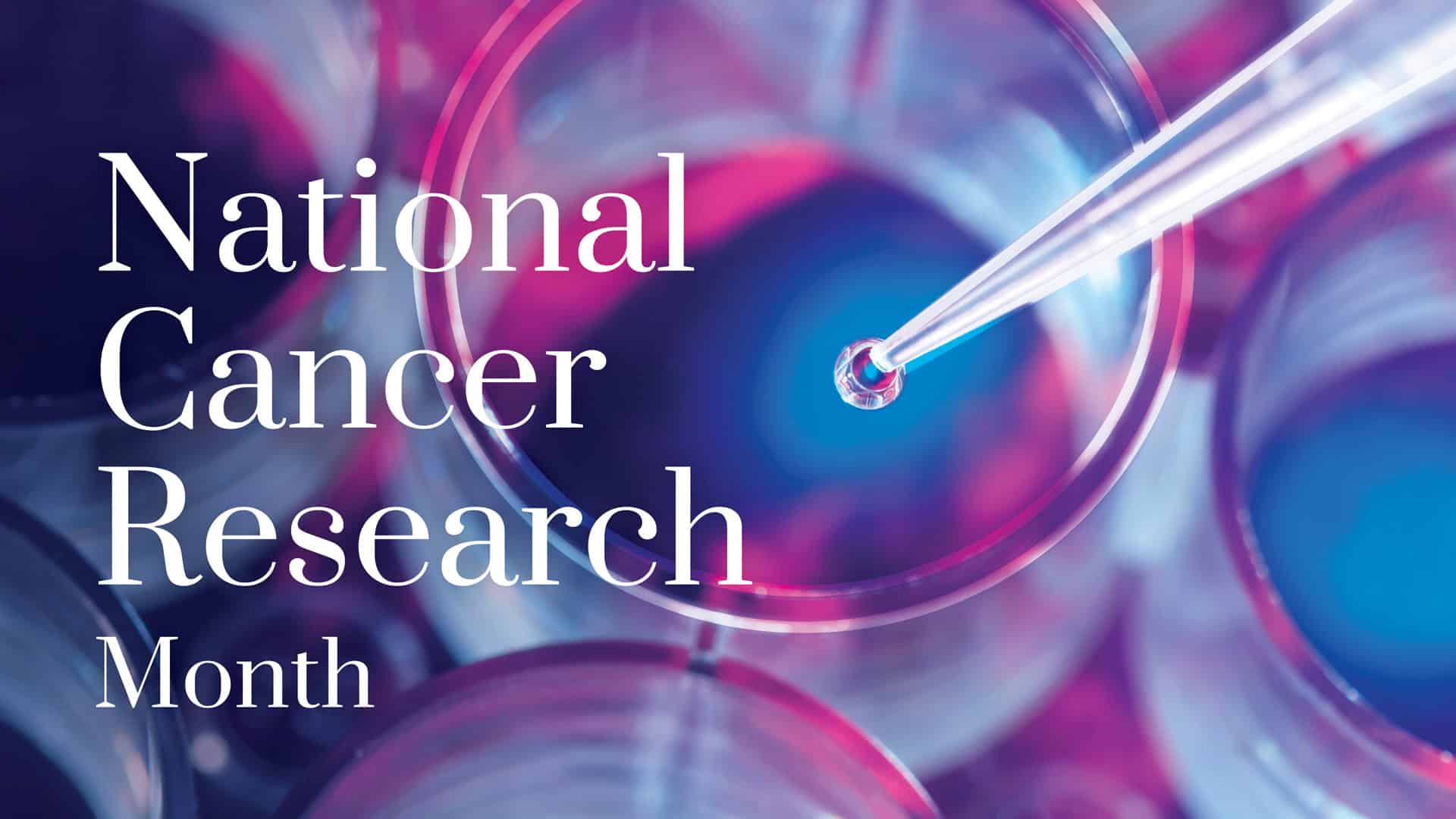
The sun set hours ago, leaving the city in darkness, yet a single window remains illuminated in a sterile, windowless laboratory. Inside, the rhythmic hum of a centrifuge provides the only soundtrack to the night. A scientist, eyes weary but sharp, pulls on a pair of nitrile gloves. A timer dings—a sharp, digital punctuation mark in the silence. The researcher moves with the practiced muscle memory of someone who has performed this specific sequence a hundred times before. They extract a sample, reset the clock, and return to the glow of a monitor, waiting for the next data point.
This is the reality of cancer research. It is a world far removed from the polished press releases and the triumphant headlines announcing the latest "miracle cure." It is a world of quiet, grueling dedication that serves as the bedrock for every medical advancement we enjoy today. During National Cancer Research Month, the Cancer Research Institute (CRI) invites the public to look past the final destination and acknowledge the treacherous, invisible, and essential path that gets us there.
The Architecture of Discovery: What Research Really Looks Like
To the outside observer, scientific progress often appears as a linear series of "Eureka!" moments. In reality, the process is closer to a complex, iterative loop—a slow churn of hypothesis, failure, adjustment, and re-testing.
Scientific validation is akin to the precision required in high-end culinary arts. A scientist can follow a protocol—a recipe—with absolute, unwavering precision, yet the results may vary wildly. Perhaps a reagent was stored at a fraction of a degree too high, or a batch of cells reacted differently to a change in atmospheric pressure. When an experiment yields an unexpected result, the researcher does not simply move on; they must become a detective, isolating every possible variable, tweaking parameters, and repeating the process until the data is not just suggestive, but reproducible and irrefutable.
This process is inherently frustrating. Weeks of labor can culminate in inconclusive findings. Months can pass with a hypothesis that stubbornly refuses to yield to evidence. Yet, the work persists. Scientists return to the bench because they understand that in the lexicon of research, a "failure" is never a dead end. It is data. It is a clue that narrows the field of possibility.
Chronology of a Breakthrough: From Bench to Bedside
The journey of a life-saving therapy is measured in decades, not days. The timeline typically follows a grueling trajectory:
- Fundamental Discovery (Years 0–5): The "blue sky" phase where researchers explore basic biological mechanisms. This is where curiosity-driven science identifies potential targets, such as a specific protein or a genetic mutation.
- Preclinical Development (Years 5–10): Once a target is identified, researchers test interventions in cell cultures and animal models to determine safety and efficacy. This is the stage of constant refinement described by our scientist in the lab.
- Translational Research (Years 10–15): The bridge between the laboratory and the clinic. Here, discoveries are vetted to ensure they can be safely administered to human patients.
- Clinical Trials (Years 15+): Only after rigorous validation can a treatment enter the clinical sphere, progressing through Phase I, II, and III trials to establish whether the therapy actually improves outcomes for patients.
Every step of this timeline requires massive amounts of data to be scrutinized, peer-reviewed, and validated by the global scientific community. Only when a finding survives the gauntlet of global scrutiny does it begin its journey into the real world.
The Human Cost: The Crisis of Scientific Funding
While the scientific process is naturally slow, it is currently being hindered by an external pressure: the volatility of research funding. The Cancer Research Institute warns that the sustainability of the next generation of breakthroughs is at stake.

"Funding cuts are disproportionately impacting young investigators and researchers," says Alicia Zhou, PhD, CEO of the CRI. "These are folks who are just beginning in their careers, hoping to start a long, productive life in scientific research. When we tighten the purse strings, we aren’t just cutting projects; we are cutting off the pipeline of innovation."
The financial burden creates a "brain drain" effect. When talented, young PhDs cannot secure the grants necessary to support their labs, they are often forced to abandon their research careers for more stable sectors. This loss of human capital is perhaps the most significant, yet often overlooked, cost of reduced funding.
Expert Perspectives: Why Translation Matters
The transition from a laboratory finding to a patient’s bedside is the most precarious stage of the research journey. It requires a specific type of expertise: translational research.
"There is a huge need for support of translational research and support for taking scientific discoveries in the lab and translating those into interventions that make a difference in clinical outcomes," notes Valsamo (Elsa) Anagnostou, MD, PhD, a CRI CLIP Investigator. Without the infrastructure to support this "translation," brilliant discoveries remain trapped on the pages of academic journals, never reaching the patients who need them.

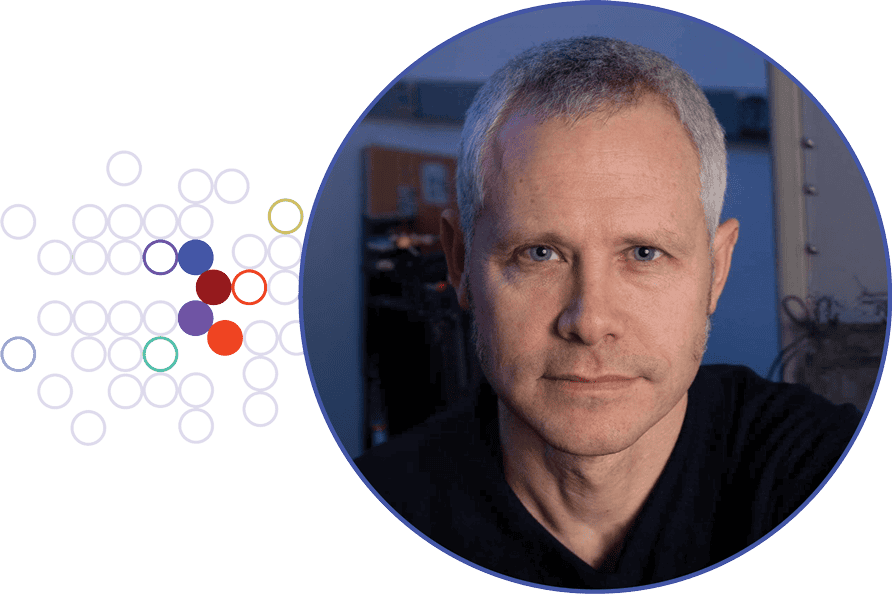
This sentiment is echoed by those who have navigated the chaos of the scientific process. Dr. Kenneth Murphy, recipient of the 2026 AACR-CRI Lloyd J. Old Award in Cancer Immunology, reflects on the non-linear nature of discovery. "The truth of it is, we stumbled across that gene for the wrong reasons, and it was a disaster, and we finally figured out what was missing." His work on dendritic cells—which transformed our understanding of how the immune system fights cancer—began with what he characterizes as a "disaster." It serves as a potent reminder that the most significant breakthroughs often emerge from the debris of failed experiments.
The Implications: Why We Must Protect the Future
The implications of underfunding are clear: a stagnation of progress that directly impacts patient mortality rates. E. John Wherry, PhD, Associate Director of the CRI’s Scientific Advisory Council, puts the stakes in perspective: "If we don’t protect this next generation of researchers, we risk losing the very people who will drive the discoveries of tomorrow."
We are currently in a golden age of immunotherapy and precision medicine, but these technologies are not self-sustaining. They are the cumulative result of decades of "slow churn" research. When we stop funding the quiet, repetitive work in the lab, we are essentially placing a ceiling on the future of medicine.
A Call to Recognition
The true measure of progress is not found in a headline, but in the survival stories of patients like Sharon Belvin, a Stage 4 melanoma survivor. "My life, and the lives of so many others, are living proof that this work actually matters," she says.
Behind every survival story, there is a ghost-work of thousands of hours spent in dark, quiet labs. There is the persistence of a scientist who decided to run the experiment one more time when the data didn’t make sense. There is the financial support that allowed them to keep the lights on and the equipment running.
As we move through National Cancer Research Month, it is vital to recognize that the future of cancer treatment is being written tonight. While the rest of the world sleeps, someone is putting on a pair of gloves, checking a timer, and preparing to solve the next variable in the equation of human health.
This is not just research; it is the foundation of hope. And it deserves our unwavering, long-term support. To learn more about the critical work being done by scientists on the front lines of discovery, visit the Cancer Research Institute’s portal for CRI-funded scientists. The next breakthrough is currently being refined—one experiment at a time.