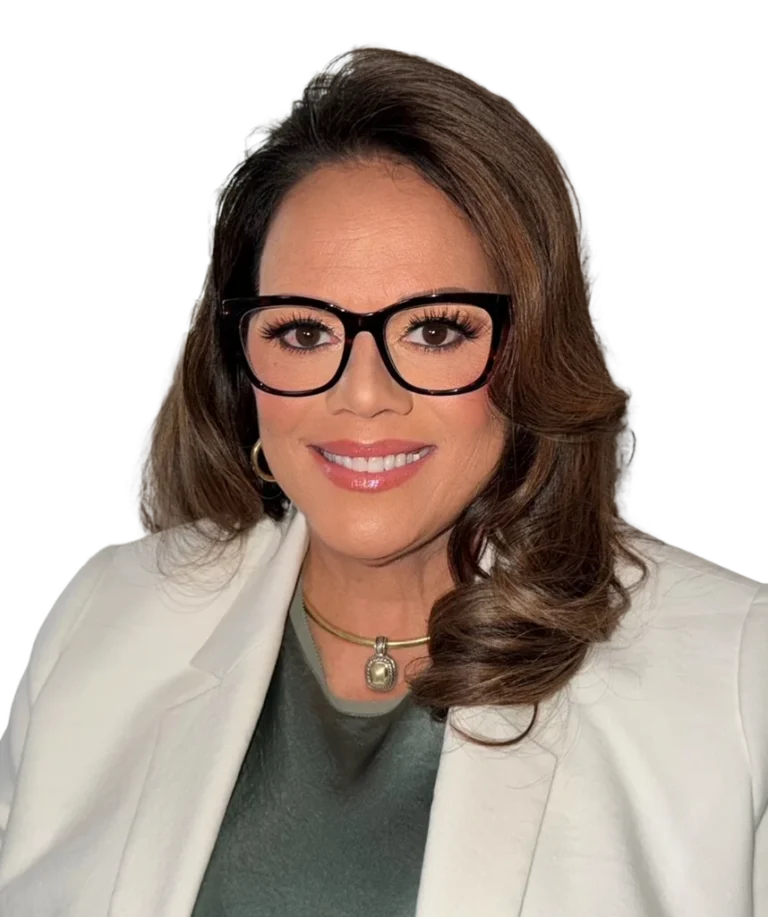
In the United States, the housing landscape is undergoing a silent crisis. While the demographic shift toward an aging population is well-documented, the physical infrastructure of our homes remains firmly rooted in the past. To address this, the latest episode of the Caregiving Club On Air podcast—hosted by renowned gerontologist and author Sherri Snelling—tackles the critical intersection of aging in place and home design.
Joined by Sean Fitzgerald, President of TruBlueAlly, Snelling explores a sobering statistic: out of approximately 100 million homes in the United States, a staggering 99% lack basic universal design features. This disconnect between how we build homes and how we actually live in them is a central theme of Snelling’s book, ME TIME MONDAY, where she coined the term "Peter Pan Home Syndrome"—a phenomenon describing houses designed for people who ostensibly never grow old.
The "Peter Pan" Problem: Why Our Homes Are Failing Us
The concept of the "Peter Pan Home" is a metaphor for a systemic failure in architecture and urban planning. For decades, home builders have prioritized aesthetics, open-concept floor plans, and expansive square footage over functional longevity. By ignoring the realities of aging—such as reduced mobility, sensory changes, and the need for simplified navigation—the industry has created a built environment that actively discourages "aging in place."
Sean Fitzgerald of TruBlueAlly argues that this isn’t just a matter of convenience; it is a matter of safety and public health. As people enter their golden years, the transition from a standard home to an assisted living facility is often precipitated by preventable accidents, such as falls in the bathroom or an inability to navigate stairs.
"We are essentially living in houses that expect us to remain twenty-five forever," Fitzgerald noted during the interview. "When those houses stop meeting our needs, we aren’t just losing a living space; we are losing our independence."

Chronology of a Movement: From Construction to Care
The shift toward home modification as a public health priority has evolved significantly over the last decade.
- Early 2010s: The "Village Movement" began to gain traction, with communities organizing to help seniors stay in their own homes through shared resources and volunteer networks.
- Mid-2010s: Media outlets like Forbes and PBS Next Avenue began highlighting the rise of multigenerational living and the importance of environmental wellness, shifting the narrative from "nursing homes" to "aging in place."
- 2020-2024: The global pandemic underscored the extreme vulnerability of the institutionalized elderly, accelerating the demand for home-based care and professional modification services.
- May 2026: Older Americans Month and National Home Modification Month converge, providing a platform for experts like Snelling and Fitzgerald to call for a national standard in universal design.
This evolution reflects a growing realization that home modification is not a luxury, but a necessity for the "Silver Tsunami"—the massive demographic wave of Baby Boomers entering their 70s and 80s.
Supporting Data: The Case for Modification
The economic and health-related arguments for home modification are overwhelming. According to the National Council on Aging, falls are the leading cause of fatal and non-fatal injuries among older adults. A simple, low-cost modification—such as the installation of grab bars, improved lighting, or the removal of tripping hazards—can reduce the risk of a fall by up to 50%.
Furthermore, the "cost of care" equation favors modification heavily. While a professional home modification package can cost a few thousand dollars, the average monthly cost of a residential assisted living facility in the U.S. can range from $4,000 to $9,000. By investing in the home, families can secure years of additional independence for their loved ones, often at a fraction of the cost of one month of institutional care.
TruBlueAlly’s approach is centered on "preventative maintenance." By assessing a home through the lens of a gerontologist, they identify potential obstacles before a crisis occurs, ensuring that the environment adapts to the occupant, rather than the other way around.

Official Responses and Industry Shifts
During the podcast, Sherri Snelling highlighted how the Caregiving Club has become a vital resource for navigating these transitions. The podcast itself has recently reached #3 in the top 80 caregiving podcasts, according to the ranking firm Feedspot. This ranking is a testament to the growing hunger for high-quality information regarding caregiving, technology, and home wellness.
The industry is responding. Beyond the work of individual companies like TruBlueAlly, there is a push toward "Biophilic Design"—the practice of connecting the built environment with nature to improve mental and physical health. Snelling has been at the forefront of this movement, publishing extensively on how biophilic elements can lower blood pressure and stress levels in elderly residents.
"We have to move beyond just ‘fixing’ the home," Snelling said. "We need to design homes that nurture the spirit as much as they support the body."
Implications: The Future of Caregiving
The implications of this conversation extend far beyond the individual household. We are witnessing a transition in how society views the "Sandwich Generation"—those who are simultaneously caring for children and aging parents. This demographic is under immense pressure, and their ability to care for loved ones is directly tied to the accessibility of their living environment.
1. The Need for Universal Design Standards
If we continue to build homes that are inaccessible, we are essentially building future "care traps." Urban planners and homebuilders need to adopt Universal Design (UD) principles—features that make a home usable by everyone, regardless of age or physical ability—as a default, not an upgrade.

2. The Rise of "Caregiver News"
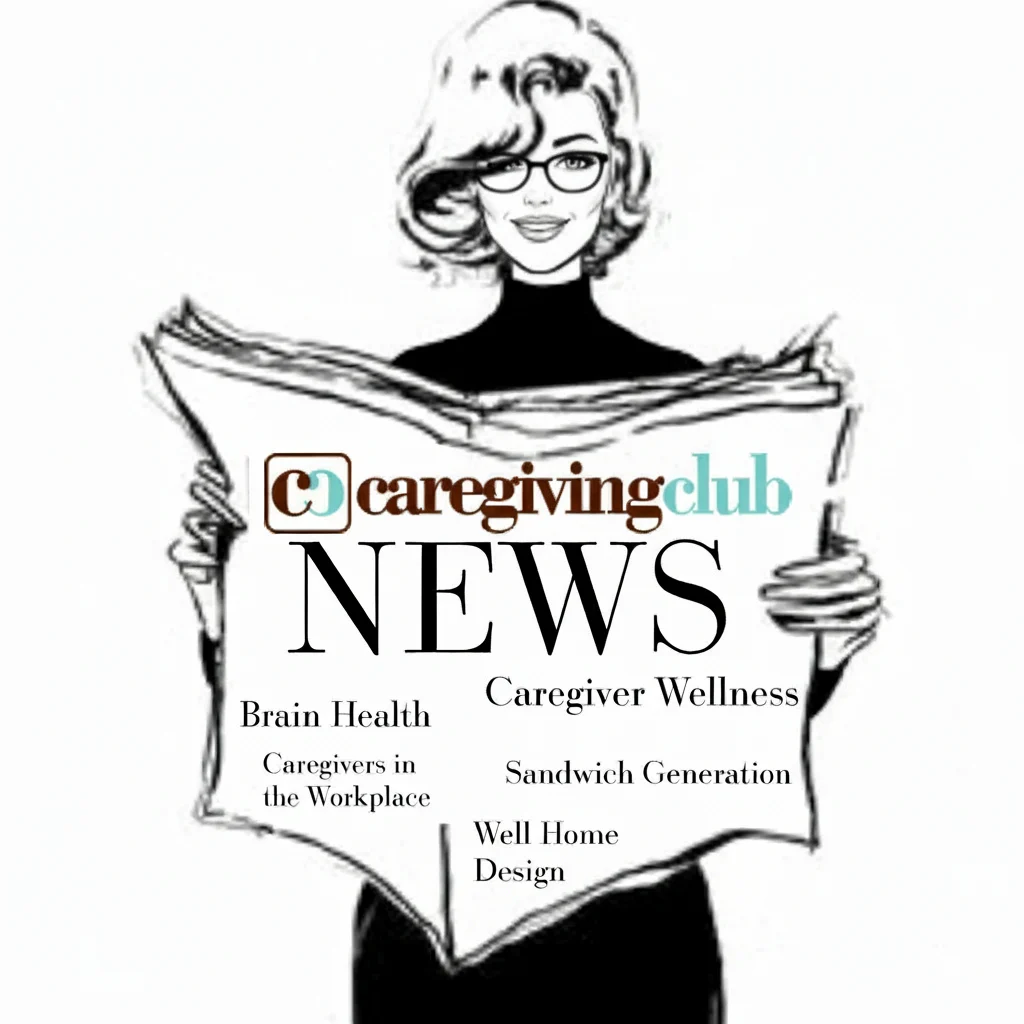
Recognizing the shifting media landscape, the Caregiving Club has launched a new "Caregiving Club News" program on YouTube. This platform aims to provide the same level of investigative journalism and resource sharing as the podcast but in a more accessible, visual format. By covering everything from dementia-friendly design to the latest technological hacks for self-care, the platform serves as a digital toolkit for the modern caregiver.
3. Empowerment Through Education
The resources provided by organizations like the Eldercare Locator and the Caregiving Club are essential. However, the onus also falls on the individual to be proactive. Waiting until an accident occurs to modify a home is a reactive, high-stress approach. The current movement advocates for "proactive aging"—where families discuss home needs as part of their long-term financial and medical planning.
Conclusion: A Call to Action
As we celebrate Older Americans Month and National Home Modification Month, the message is clear: our homes are the most important piece of medical equipment we own. If we want to ensure dignity, safety, and health in our later years, we must break the "Peter Pan Home Syndrome."
Whether it is through installing better lighting, creating a cozy reading nook that promotes mental well-being, or undertaking major structural renovations to allow for wheelchair access, the time to act is now. By listening to experts like Sean Fitzgerald and following the educational roadmap provided by Sherri Snelling, we can turn our homes into true sanctuaries—places that grow with us, instead of against us.
For those looking to start their journey, the Caregiving Club offers a wealth of resources, from the Me Time Monday book to ongoing video series like "Self-Care in 7 Minutes." The goal is not just to survive the caregiving experience, but to create environments where both the caregiver and the recipient can thrive.

Resource Links for Further Exploration:
- TruBlue Ally: Professional home modification services.
- Eldercare Locator: A public service of the U.S. Administration on Aging to help find local support.
- Caregiving Club YouTube Channel: For the latest news, wellness hacks, and educational content.
- Me Time Monday: Sherri Snelling’s essential guide for the modern caregiver.