By Kari McBride
In a culture that equates professional output with human worth, the question, "So, when are you going back to work?" serves as a constant, rhythmic interrogation for those navigating long-term recovery. For millions of individuals living with chronic illness or disability, this inquiry is not merely a polite icebreaker; it is a profound societal indictment that ignores the invisible, exhausting labor of survival.
The struggle to reconcile one’s identity with a life altered by trauma is a complex, often isolating journey. However, as the conversation surrounding disability rights and mental health advocacy matures, a new perspective is emerging: perhaps our value is not tethered to a payroll, but to the meaningful ways we contribute to our communities—even when our bodies and brains demand a different pace.
The Chronology of an Identity Shift
To understand the weight of this question, one must look at the timeline of a life cleaved in two. For many, the "Before" is defined by professional milestones, academic achievements, and a trajectory that feels linear and predictable. In my own case, that era ended with a Master of Social Work degree and a career as a school social worker—a position built on the foundation of helping others navigate their own systems.
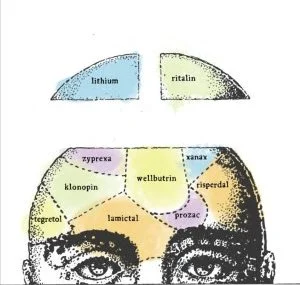
Then came the "After." The transition was not gradual; it was immediate and devastating. In the span of a single day, the landscape of my life shifted from professional autonomy to a world defined by brain injury recovery, autoimmune diagnoses, and the persistent, sharp reality of chronic pain.
The Eras of Recovery
- The Immediate Aftermath: The first phase is often characterized by shock, medical intervention, and the frantic attempt to reclaim a version of the "past self." It is a period of mourning the loss of professional identity.
- The Middle Years: This period involves navigating the bureaucracy of medical leave, the trial-and-error of new medications, and the slow realization that the "old" life is no longer accessible.
- The Integration: This is the current stage. It involves an acceptance that while the "Before" and "After" are parts of the same story, they are distinct chapters. The person living in this body today is not the one who left the office years ago; they are someone forged in the crucible of adaptation.
Supporting Data: The Hidden Economy of Chronic Illness
While society measures "work" through the lens of GDP and employment statistics, this metric fails to account for the "invisible work" performed by the chronically ill. When we look at the data, the reality of the situation is stark. According to various disability advocacy groups, individuals with chronic conditions often engage in a "full-time job" of medical management.
This includes:
- Administrative Labor: Scheduling specialists, managing insurance claims, and coordinating medication regimens.
- Physical Maintenance: Engaging in physical therapy, occupational therapy, and pain management routines that require significant caloric and cognitive expenditure.
- Advocacy: Learning the intricacies of the legal and medical systems to ensure one’s own care, which often requires more hours per week than a traditional part-time job.
When we ask, "When are you going back to work?" we are effectively dismissing these hours of labor as "not real work." This narrow definition of productivity marginalizes those who are working harder than ever—just not in a way that generates a paycheck.
The Societal Cost of Stigma
The pressure to return to a traditional workplace is not just an individual burden; it is a structural issue. In many professional circles, the absence of a job title is viewed as a character flaw or a failure of ambition. This stigma can lead to profound psychological consequences, including increased rates of depression and anxiety among those recovering from life-altering injuries.
I recently had the opportunity to address this directly while meeting with a state representative. Sitting in the capitol, dealing with the encroaching symptoms of a migraine, I realized that my nervousness wasn’t about the job I didn’t have; it was about the work I was doing. I was there to advocate for policies that affect the lives of those often left behind.
Insights from Advocates
Experts in disability studies argue that shifting the narrative is essential. "The value of a citizen should not be calculated by their ability to participate in the traditional labor force," says one leading advocate in the field of inclusive social policy. "When we force people to define their worth through employment, we create a system that is inherently exclusionary to those whose bodies do not fit the standard mold of the 40-hour work week."
Implications: A New Way Forward
If we accept that the traditional definition of work is insufficient, we must begin to ask better questions. Instead of inquiring about a return to the workforce, we should be asking: "How are you living your life now?"
This shift in language has significant implications:
- Empowerment: It allows the individual to define their own successes, whether that is managing a chronic condition, raising a child, or engaging in community advocacy.
- Redefining Success: It challenges the cultural obsession with "hustle culture" and encourages a more compassionate view of human capacity.
- Policy Reform: It necessitates a re-evaluation of disability benefits and social safety nets, which currently punish those who attempt to work in non-traditional or flexible capacities.
Conclusion: The Work of Being Human
The journey through recovery is not a detour; it is the journey itself. I may not be "working" in the way society expects, but I am working in a way that brings profound meaning to my life. I am a voice for those who have been silenced by systemic barriers, and I am a practitioner of the skills I spent years learning, applied now to the most difficult client of all: myself.
My degree is no longer a tool for a school system; it is a tool for survival and social change. When we stop measuring our value by the hours we clock and start measuring it by the resilience we cultivate, the entire landscape of "work" changes. We are not failing because we are not working; we are simply working on something far more important: the act of living, on our own terms, in the only life we have.
The next time you encounter someone on a long road of recovery, remember: the question isn’t about their employment status. It’s about their journey. And for those of us walking that path, the answer to "When are you going to live your life?" is, and will always be: Now.