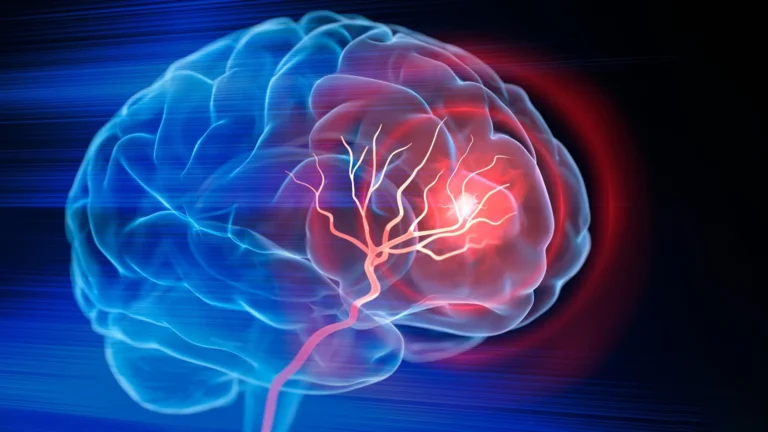
In the landscape of modern medicine, few challenges are as persistent or as devastating as the aftermath of a heart attack. Every year, approximately 785,000 Americans suffer a myocardial infarction—an event that leaves the heart scarred, weakened, and prone to the progressive decline of congestive heart failure. For decades, the medical community has focused almost exclusively on the "plumbing" of the heart: clearing blockages, restoring blood flow, and managing risk factors. Yet, the underlying damage to the muscle tissue itself has remained largely unaddressed.
A groundbreaking development from the University of California San Diego (UC San Diego) is now poised to shift this paradigm. Researchers have engineered a novel, injectable biomaterial designed to travel through the bloodstream, offering a minimally invasive way to dampen inflammation and trigger the heart’s intrinsic repair mechanisms. This "inside-out" approach represents a significant leap forward in regenerative engineering, with the potential to extend its healing reach far beyond the heart to other inflammation-driven conditions, including traumatic brain injury and pulmonary arterial hypertension.
The Evolution of Cardiac Repair: A Chronology
The journey toward this intravascular breakthrough is rooted in years of rigorous scientific exploration by the laboratory of Karen Christman, a professor of bioengineering at UC San Diego.
The Foundation: The VentriGel Era
Long before the current intravascular iteration, the team pioneered a hydrogel derived from the extracellular matrix (ECM) of cardiac muscle tissue. The ECM acts as a natural "scaffolding" for cells. By decellularizing this tissue, the team created a gel that, when injected directly into the heart via a catheter, provided a supportive microenvironment for cell growth and tissue regeneration. In 2019, the team reported the successful completion of a Phase 1 clinical trial for this direct-injection product, known as VentriGel, confirming its safety and feasibility in post-heart attack patients.
The Pivot: Overcoming the Limitations of Invasiveness
Despite the success of VentriGel, a critical limitation remained: the delivery method. Direct intramyocardial injection requires a needle-based procedure that cannot be performed in the immediate, volatile aftermath of a heart attack. Doing so would risk further structural damage to already weakened tissue. This realization spurred the development of a systemic, bloodstream-delivered alternative.
The Breakthrough: Nanoparticle Engineering
In 2022, the research team, led by then-Ph.D. student Martin Spang, published their findings in Nature Biomedical Engineering. They had successfully engineered a version of their ECM hydrogel that could be administered intravenously or via coronary infusion. By utilizing centrifugal processing and dialysis, they isolated nano-sized particles from the ECM, allowing the material to navigate the vascular system and home in on damaged, "leaky" microvasculature.
Current Status and Future Horizons
The research has not stood still since the 2022 publication. A 2025 study in Nature Communications provided a deeper look at the biological mechanisms of these ECM-based therapies using spatial transcriptomics and single-nucleus RNA sequencing. The study confirmed that these materials act as a potent catalyst for immune modulation, stimulating blood vessel development and promoting the salvage of heart muscle cells. Meanwhile, the startup company Ventrix Bio, co-founded by Christman, is actively advancing the technology, with clinical investigations for related therapies already appearing on the horizon of human trials.
Mechanisms of Action: How the Biomaterial Works
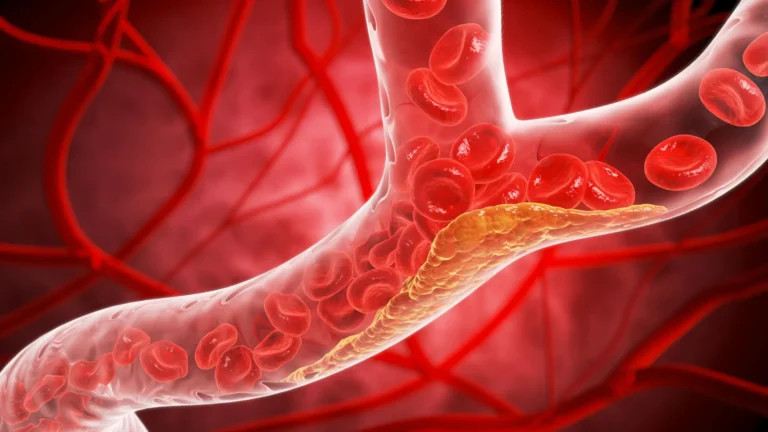
To understand the novelty of this therapy, one must look at the body’s response to injury. During a heart attack, the endothelial cells—which form the lining of blood vessels—experience stress, leading to the formation of gaps. These gaps are a hallmark of acute inflammation.
The UC San Diego biomaterial is designed to exploit these gaps. Upon entering the bloodstream, the nano-sized ECM particles circulate until they reach the site of the injury. Rather than simply passing through the damaged vessels, the material adheres to the endothelial cells. This attachment serves two vital functions:
- Structural Sealing: It physically helps close the gaps between cells, stabilizing the microvasculature.
- Biological Signaling: It initiates a regenerative cascade, sending chemical signals that reduce inflammation and encourage the activation of fibroblasts and the proliferation of healthy muscle cells.
Because the material is derived from natural cardiac tissue, it is inherently biocompatible. Once it has performed its "repair mission," the material is largely degraded by the body’s enzymes within approximately three days, leaving behind a restored tissue architecture without the need for permanent synthetic implants.
Supporting Data and Clinical Evidence
The evidence for this approach is supported by robust preclinical testing in both rodents and large-animal models (porcine).
In studies involving rats and pigs, researchers observed significant physiological improvements following intracoronary infusion of the material:
- Reduced Left Ventricular Volumes: A critical metric for heart health, indicating that the heart was not dilating or failing as aggressively as in untreated groups.
- Improved Wall Motion Scores: Quantitative evidence that the cardiac muscle was recovering its contractility.
- Gene Expression Profiles: Advanced genetic analysis showed a marked downregulation of inflammatory markers and an upregulation of genes associated with lymphatic development, myocardial salvage, and neurogenesis.
Furthermore, the 2025 Nature Communications study underscored that this is not a "one-size-fits-all" repair mechanism. The biomaterial actively recruits the body’s own healing resources, suggesting that the hydrogel acts as a scaffold-cum-signaling hub that directs the body’s immune system toward repair rather than scarring.
Perspectives from the Frontline: Clinical Implications
The clinical potential of this therapy has generated significant optimism among medical professionals, who frequently witness the limitations of current interventional cardiology.
Dr. Ryan R. Reeves, a physician in the UC San Diego Division of Cardiovascular Medicine, emphasizes the massive public health burden of heart failure. "As an interventional cardiologist, who treats patients with coronary artery disease and congestive heart failure on a daily basis, I would love to have another therapy to improve patient outcomes and reduce debilitating symptoms," Dr. Reeves noted. He highlights that the "easy-to-administer" nature of the therapy—potentially delivered during a standard angioplasty—could integrate seamlessly into existing clinical workflows.
This ease of administration is perhaps the greatest practical advantage. In the high-stakes environment of an acute cardiac event, time is muscle. If a doctor can infuse a regenerative biomaterial during a routine procedure to restore blood flow, it transforms the entire treatment strategy from a defensive maneuver (preventing further damage) to an offensive one (active repair).
Beyond the Heart: A Versatile Platform for Regenerative Medicine
One of the most intriguing aspects of the UC San Diego research is its potential to transcend cardiology. Because the vascular system serves as a highway to every organ in the human body, the "homing" mechanism of the ECM-based nanoparticles could be applied to various pathologies.
The team has already demonstrated proof-of-concept for the therapy’s use in:
- Traumatic Brain Injury: Where inflammation often prevents effective neural repair.
- Pulmonary Arterial Hypertension: Where microvascular damage in the lungs contributes to heart strain.
If the biomaterial can be successfully tailored to home in on the unique signatures of different damaged tissues, it could usher in a new era of "targeted regenerative medicine." Instead of systemic drugs that carry broad side effects, this approach provides a localized, tissue-specific boost to the body’s innate healing capacity.
The Path to Clinical Adoption
While the results to date are promising, the transition from the laboratory to the bedside is a complex, high-stakes endeavor. Christman and the team at Ventrix Bio are currently navigating the regulatory pathways required to secure FDA authorization for human clinical trials of the intravascular material.
The primary hurdles for these upcoming trials will be demonstrating:
- Safety: Confirming that systemic infusion does not cause downstream blockages or unintended immune reactions.
- Practicality: Ensuring the manufacturing process for the nanoparticle material remains consistent and scalable.
- Clinical Efficacy: Proving that the biological repair observed in animal models translates into meaningful, long-term functional improvement for human patients.
As of now, the treatment remains experimental, but the clinical community is watching closely. With the ongoing efforts to test VentriGel in other populations—such as children with hypoplastic left heart syndrome—the broader field of ECM-based therapeutics is rapidly gaining momentum.
Conclusion
The development of an injectable, bloodstream-delivered biomaterial represents a profound shift in how we approach tissue engineering. By moving away from direct, invasive surgical intervention and toward a systemic, "smart" delivery system, the researchers at UC San Diego have opened a door that could lead to the reversal of conditions long considered irreversible.
If this therapy proves successful in human trials, it will not only change the outcome for hundreds of thousands of heart attack patients annually but will also redefine the capabilities of regenerative medicine. In the future, the most effective way to repair the body may not be to cut into it, but to simply let the bloodstream carry the medicine exactly where it is needed most.