For billions of people around the globe, the day does not truly begin until the first cup of coffee is poured. Whether it is a ritualistic espresso, a hurried drip coffee, or a carefully crafted flat white, our collective dependency on caffeine is immense. On average, humans now consume nearly two kilograms of coffee per person each year. Yet, beneath the aromatic surface of our favorite morning beverage lies a complex biochemical interaction. While we often treat coffee as a simple energy booster, it is a potent pharmacological agent, with our intake dictated by a unique interplay between our genetics, our brain’s reward systems, and the efficiency of our caffeine metabolism.
But for the millions living with hypertension, the morning cup raises a persistent, nagging question: Is my coffee habit hurting my heart?
Main Facts: The Physiology of the "Caffeine Kick"
To understand how coffee interacts with your cardiovascular system, one must first understand what occurs within the body shortly after consumption. Caffeine is a powerful muscle stimulant. Upon ingestion, it acts as an antagonist to adenosine receptors in the brain, effectively blocking the signals that tell our body we are tired. Simultaneously, it triggers the adrenal glands to release adrenaline—the "fight or flight" hormone.
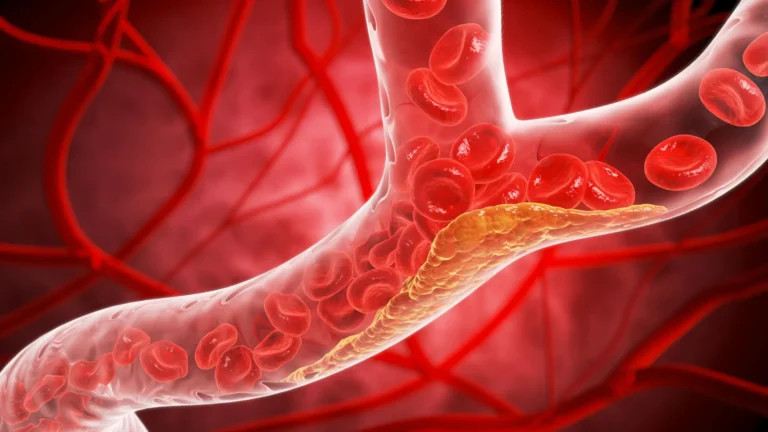
This surge of adrenaline causes the heart to beat faster and, crucially, induces the constriction of blood vessels. When blood vessels narrow, the heart must exert more force to pump blood through them, resulting in a temporary spike in blood pressure. Typically, blood caffeine levels reach their peak between 30 minutes and two hours after consumption. Because caffeine has a half-life of three to six hours, these effects can linger significantly.
However, the "caffeine effect" is not universal. It is moderated by several variables:
- Genetics: Some individuals are "fast metabolizers," clearing caffeine from their systems rapidly, while others are "slow metabolizers," meaning the compound stays in their bloodstream for much longer.
- Tolerance: Regular consumers often develop a physiological adaptation, allowing them to process and clear caffeine more efficiently than those who only consume it occasionally.
- Age and Health: Younger individuals and those with specific underlying conditions may experience more pronounced hemodynamic shifts.
Chronology: A History of Cardiovascular Interaction
The relationship between coffee and the human heart has been a subject of scientific scrutiny for decades. In the early to mid-20th century, coffee was often viewed with suspicion by the medical community, primarily due to the observed short-term increases in blood pressure.
In the 1980s and 90s, longitudinal studies began to provide a more nuanced view. Researchers moved away from the "short-term spike" model to look at long-term cardiovascular outcomes. By the early 2000s, clinical research began to reveal that while a single cup of coffee might cause a transient rise in systolic pressure (by 3–15 mm Hg) and diastolic pressure (by 4–13 mm Hg), this does not necessarily translate into chronic hypertension for the average person.
In recent years (2020–2024), the focus has shifted toward the "phytochemical profile" of coffee. Scientists now understand that coffee is more than just caffeine; it is a complex soup of hundreds of bioactive compounds. This has led to the current understanding: coffee is a "double-edged sword" where the negative pressure-spiking effects of caffeine are often counterbalanced by the protective, anti-inflammatory effects of other compounds.
Supporting Data: Parsing the Hypertension Risk
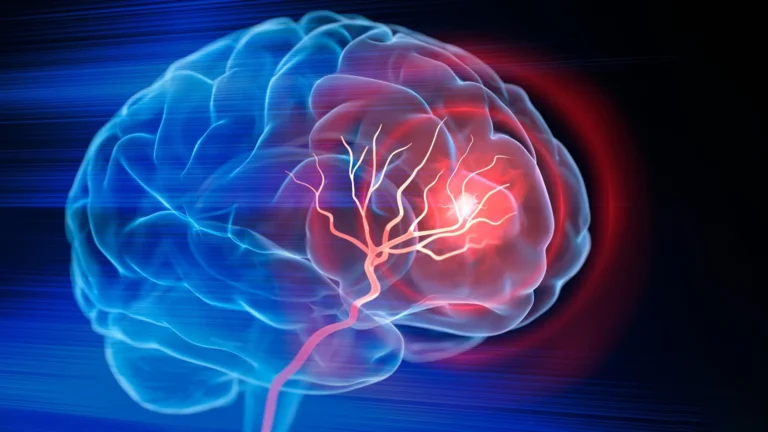
Understanding blood pressure requires looking at the two primary measurements: systolic (the pressure when the heart beats) and diastolic (the pressure when the heart rests). Normal blood pressure is defined as below 120/80 mm Hg. Hypertension, or high blood pressure, is diagnosed when readings consistently hit or exceed 140/90 mm Hg.
The danger of hypertension lies in its silence. Approximately 31% of the global adult population suffers from hypertension, and alarmingly, half are unaware of their condition. Among those already diagnosed and medicated, nearly 47% fail to keep their pressure well-controlled.
The Hypertension Verdict
A seminal review of 13 studies, encompassing 315,000 participants, investigated whether coffee consumption acts as a precursor to hypertension. During the follow-up periods, 64,650 participants developed the condition. The researchers concluded that there was no significant association between coffee intake and the risk of developing hypertension. This held true regardless of gender, total consumption volume, or whether the subjects drank caffeinated or decaffeinated coffee.

The Japanese Exception
However, data from a massive Japanese study involving 18,000 adults aged 40–79 provides a critical caveat. While coffee consumption showed no adverse outcomes for those with normal blood pressure or mild (Grade 1) hypertension, the data changed for those with severe, Grade 2–3 hypertension (systolic pressure of 160+ or diastolic of 100+). In this specific cohort, those consuming two or more cups of coffee per day faced a doubled risk of cardiovascular mortality. This suggests that while coffee may be safe for the general population, the threshold for safety shifts significantly for those with pre-existing, uncontrolled, severe hypertension.
Official Responses and Scientific Nuance
The medical consensus has moved away from a "prohibitionist" approach toward coffee. Most major heart foundations do not advocate for the complete cessation of coffee for hypertensive patients, provided the condition is monitored.
The reason lies in the "other" ingredients. Coffee is rich in phytochemicals, which are naturally occurring compounds that contribute to the beverage’s aroma and potential health benefits. Two specific compounds have garnered significant attention:
- Melanoidins: These compounds help regulate fluid volume in the body and influence the activity of enzymes that control vascular tone.
- Quinic Acid: This compound has been shown in clinical trials to improve the elasticity of the lining of blood vessels, effectively helping them accommodate temporary rises in pressure without damaging the vessel walls.
Because of these compounds, coffee acts as a complex biological modifier. The net effect on the body is a tug-of-war between the stimulatory effects of caffeine and the vasoprotective effects of these phytochemicals.
Implications: Practical Advice for the Modern Coffee Drinker
If you are a coffee lover concerned about your blood pressure, there is no need to panic. The evidence suggests that for most people, the cardiovascular risks associated with coffee are minimal. However, for those living with high blood pressure, a strategic approach is necessary.
1. Know Your Numbers
Because hypertension is asymptomatic, you cannot rely on "feeling" your blood pressure. Regular, at-home monitoring is essential. If your numbers are consistently high, you must consult a physician before making lifestyle changes.
2. Monitor Your Reaction
Since caffeine metabolism is genetically determined, you are the best judge of your own tolerance. If you notice heart palpitations or persistent anxiety after a cup, your body is signaling a sensitivity to the stimulant.
3. The "Moderation" Threshold
For the general population, moderate consumption—typically defined as 2–3 cups per day—is unlikely to cause harm. However, if you fall into the "high-risk" category (Grade 2–3 hypertension), it is prudent to limit intake or switch to decaffeinated alternatives to avoid the surge in adrenaline that triggers arterial constriction.
4. Consider the Additives
Often, the health risks of coffee are not in the bean, but in the additions. Sugar, heavy creams, and syrups can lead to metabolic issues and weight gain, which are secondary, yet massive, contributors to high blood pressure. Keeping your coffee black or using minimal, heart-healthy additions is a safer strategy.
Conclusion
Coffee remains one of the most studied beverages in human history. While the caffeine within it does indeed cause a short-term mechanical increase in blood pressure, the long-term epidemiological evidence suggests that it is not a direct driver of chronic hypertension. By understanding your own genetic predispositions and maintaining an open dialogue with your healthcare provider, you can continue to enjoy your daily brew without compromising your cardiovascular health. In the final analysis, coffee is neither a poison nor a cure-all; it is a complex stimulant that, like all things in life, is best enjoyed in moderation.