










By Health & Science Correspondent
A landmark study published on February 4, 2026, in Neurology Open Access—the official journal of the American Academy of Neurology—has provided compelling new evidence regarding the intersection of nutrition and neurological health. The research suggests that women who strictly adhere to a Mediterranean-style eating pattern may significantly lower their long-term risk of suffering a stroke. While the study stops short of claiming a direct causal link, it identifies a robust statistical association that adds weight to the argument that dietary choices are foundational to brain health.
The study, which tracked over 105,000 women over more than two decades, observed a marked reduction in both ischemic and hemorrhagic strokes among those who prioritized plant-based nutrition, lean proteins, and healthy fats.
The Landscape of Stroke Risk: Understanding the Threat
Stroke remains a global health crisis, standing as a leading cause of both mortality and long-term physical and cognitive disability. To understand the significance of the new research, one must first distinguish between the two primary types of stroke identified in the study:
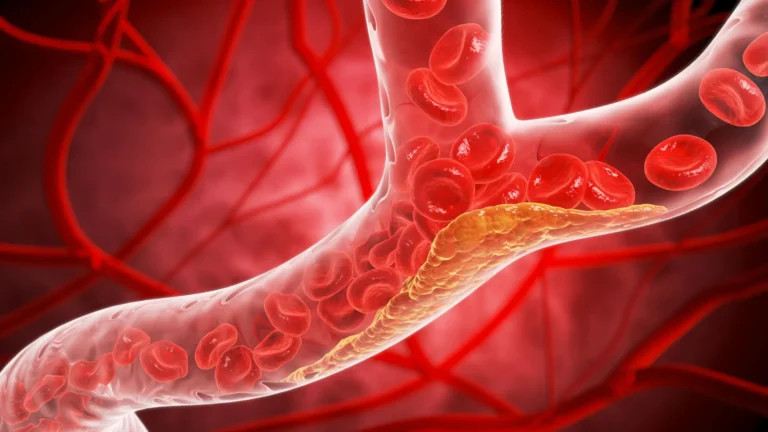
- Ischemic Stroke: This is the most prevalent form, accounting for the vast majority of cases. It occurs when a blood vessel supplying the brain becomes blocked—typically by a clot—effectively cutting off the oxygen supply to brain tissue.
- Hemorrhagic Stroke: While less common, these are often more severe. They occur when a blood vessel in the brain ruptures, leading to bleeding within the brain tissue. This can cause rapid, catastrophic damage to brain cells and high mortality rates.
The fact that the Mediterranean diet showed a protective effect against both forms of stroke is a significant development in preventive neurology, as many previous studies have focused almost exclusively on the more common ischemic variety.
Defining the Mediterranean Diet: More Than Just Food
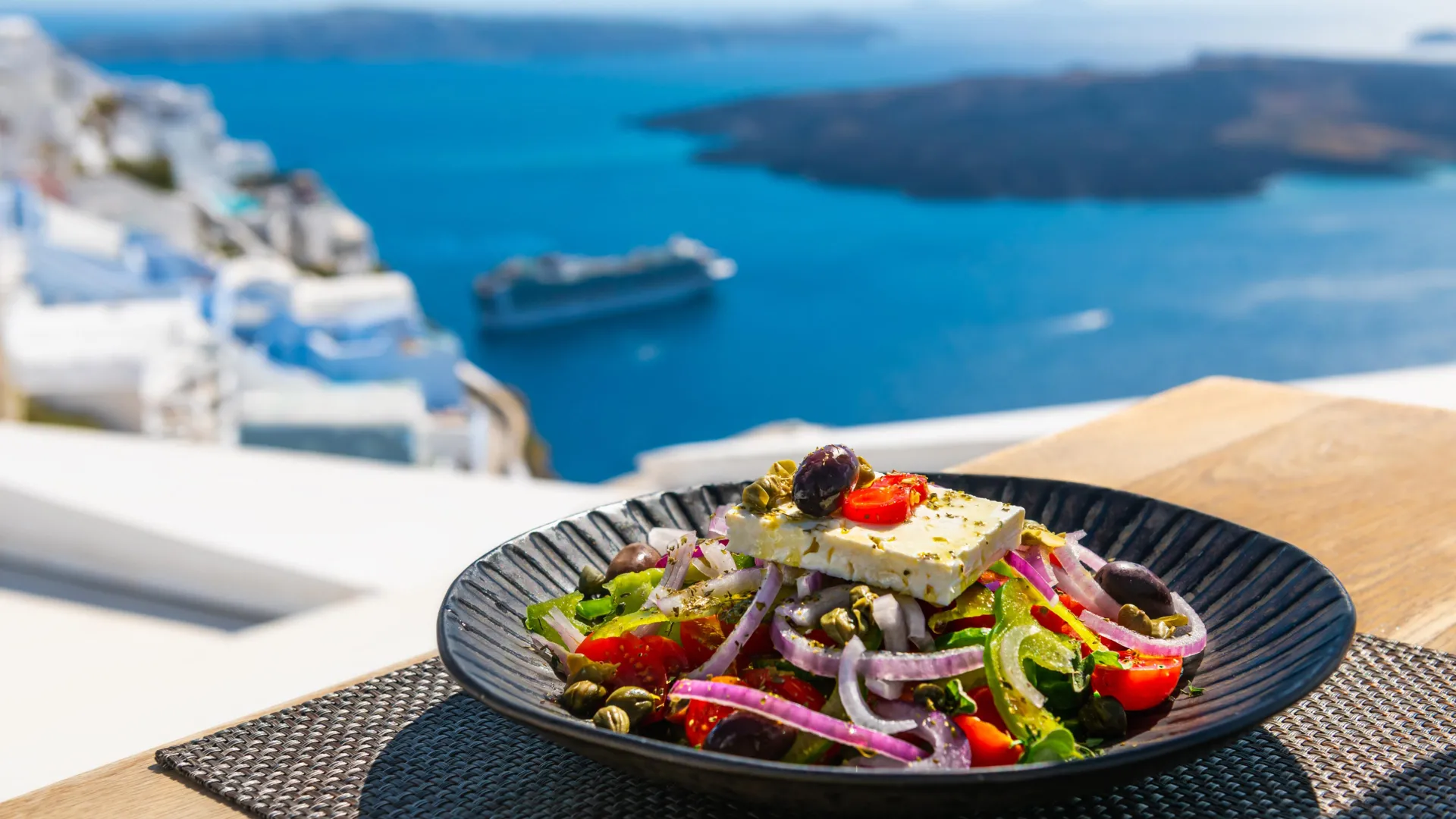
The Mediterranean diet is not a restrictive "fad" diet but rather a sustainable eating pattern inspired by the traditional culinary habits of countries bordering the Mediterranean Sea. At its core, the diet emphasizes:
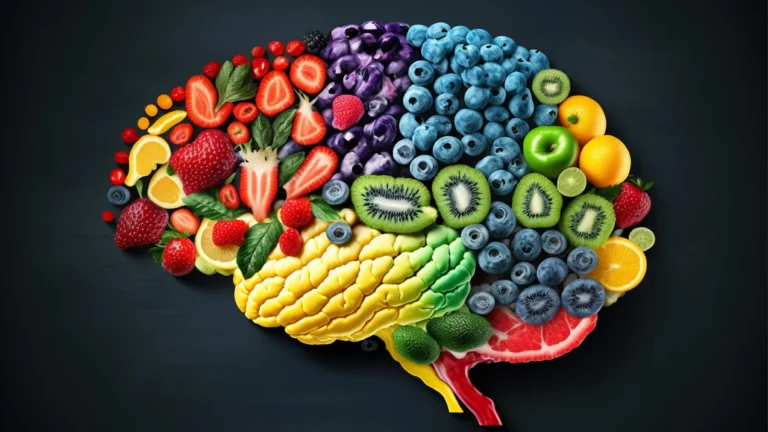
- Whole Plant Foods: A high intake of vegetables, fruits, legumes, nuts, and seeds.
- Healthy Fats: Olive oil is the primary source of added fat, replacing butter or margarine.
- Lean Protein: A preference for fish and poultry over red meats and processed meats.
- Whole Grains: A focus on unprocessed cereals.
- Moderate Consumption: The inclusion of moderate alcohol intake (typically red wine) and a significant reduction in dairy and saturated fatty acids.
This dietary profile is rich in antioxidants, anti-inflammatory compounds, and heart-healthy monounsaturated fats, all of which contribute to better vascular health.
Chronology of the Research: A Two-Decade Investigation
The journey to these findings was a massive undertaking that spanned 21 years of meticulous data collection.
Phase 1: The Baseline (Starting Point)
The study enrolled 105,614 women who, at the time of entry, had no history of stroke. The average age of the participants was 53. At the onset, each woman completed a comprehensive, validated dietary questionnaire designed to capture the nuance of their eating habits.
Phase 2: Scoring the Diet
Researchers utilized a scoring system ranging from zero to nine to quantify how closely each participant aligned with Mediterranean dietary guidelines. Points were awarded for:
- Consuming above-average amounts of whole grains, fruits, vegetables, legumes, fish, and olive oil.
- Moderate alcohol consumption.
- Limiting intake of red meat and dairy to below-average levels.
The distribution of the participants was telling: approximately 30% of the cohort scored between six and nine, placing them in the highest adherence group. Conversely, about 13% scored between zero and two, representing the lowest adherence.
Phase 3: The Long-Term Follow-Up
For the next 21 years, the researchers monitored the health outcomes of these women. During this period, 4,083 strokes were recorded: 3,358 ischemic and 725 hemorrhagic.
Supporting Data: The Statistical Breakdown
When the researchers crunched the numbers, the correlation between diet and stroke reduction was striking. Among the women in the highest diet-score group, there were 1,058 ischemic strokes. In contrast, those in the lowest score group saw significantly higher rates of stroke relative to their population size.
After adjusting for major confounding variables—including smoking status, physical activity levels, and pre-existing hypertension—the results remained statistically significant:
- Overall Risk: Women in the highest adherence group were 18% less likely to suffer a stroke of any kind.
- Ischemic Risk: The risk of ischemic stroke was reduced by 16%.
- Hemorrhagic Risk: Most impressively, the risk of hemorrhagic stroke was reduced by 25%.
These findings suggest that the metabolic benefits of the Mediterranean diet may confer specific protection against the vascular fragility that leads to brain bleeds.
Official Responses and Expert Analysis
"Our findings support the mounting evidence that a healthy diet is critical to stroke prevention," said lead study author Sophia S. Wang, PhD, of the City of Hope Comprehensive Cancer Center in Duarte, California.
Dr. Wang noted that the research team was particularly encouraged by the results regarding hemorrhagic stroke. "We were especially interested to see that this finding applies to hemorrhagic stroke, as few large studies have looked at this type of stroke," she explained. "Given the high mortality and morbidity associated with hemorrhagic events, finding a non-pharmacological, dietary-based intervention that shows a protective association is a major step forward."
The research was funded by the National Institute of Neurological Diseases and Stroke, reflecting the growing institutional interest in the "brain-gut" and "brain-diet" connections.
Implications for Public Health and Future Research
The implications of this study for public health policy are profound. As the global population ages, the burden of stroke-related disability is expected to rise. If a change in dietary pattern can reduce stroke risk by nearly one-fifth in women, the potential to alleviate the strain on healthcare systems is immense.
The Mechanism of Action
While the study establishes an association, it does not confirm the biological mechanism. Researchers hypothesize that the high intake of anti-inflammatory nutrients, combined with improved blood pressure management and reduced cholesterol, creates a more resilient vascular system. Future research is already being planned to explore these biological pathways, focusing on how specific food groups interact with blood vessel integrity in the brain.
Study Limitations
Despite the robustness of the data, the researchers acknowledge certain limitations:
- Self-Reporting Bias: The initial dietary information was self-reported. Human memory is fallible, and participants may have subconsciously over-reported healthy eating habits or under-reported less-healthy ones.
- Association vs. Causation: As an observational study, it demonstrates a link, not a definitive cause-and-effect relationship. It is possible that women who follow the Mediterranean diet also share other healthy lifestyle traits that contribute to lower stroke risk.
Conclusion: A Proactive Path Forward
The findings from Dr. Wang and her team serve as a powerful reminder that the "medicine" we consume daily in the form of food plays a critical role in our long-term neurological destiny. While further studies are required to confirm these findings and isolate the precise biological mechanisms at play, the current data provides a clear roadmap for women looking to mitigate their stroke risk.
"Stroke is a leading cause of death and disability," Dr. Wang concluded. "It’s exciting to think that improving our diets could lessen our risk for this devastating disease. We hope this empowers women to prioritize nutrient-dense, plant-forward meals as a primary defense against neurological decline."
As clinical guidelines continue to evolve, the Mediterranean diet remains one of the most consistently recommended dietary patterns by health organizations worldwide. By choosing olive oil over butter, fish over red meat, and a bounty of vegetables over processed snacks, individuals may be building a stronger, more resilient brain—one meal at a time.