Published: June 24, 2026
In an era defined by the relentless pace of digital connectivity and the accumulation of “invisible admin”—the cognitive load of managing doctor’s appointments, household logistics, and unending notification streams—fatigue has become the modern condition. It is a pervasive, quiet exhaustion that often lacks a single, dramatic cause, yet manifests as a heavy, persistent drain on both mental clarity and physical vitality.
For many, the standard response to this state is to do nothing, sinking into a sedentary cycle that inadvertently compounds the feeling of lethargy. However, emerging insights into movement-based recovery suggest that the antidote to depletion may not be total stillness, but rather intentional, low-impact movement. By engaging in “yoga for fatigue,” practitioners can break the cycle of mental fog and physical sluggishness, replacing exhaustion with a sense of grounded vitality.
The Physiology of Chronic Depletion: Why We Feel So Tired
The phenomenon of fatigue is rarely just “being tired.” It is a complex physiological and psychological feedback loop. When the brain is overwhelmed by the administrative burden of daily life, it enters a state of persistent stress. This triggers the nervous system to stay in a “fight or flight” mode, which is metabolically expensive and eventually leads to a crash.
When we feel this depletion, our bodies often respond by collapsing inward—slumping over desks, rounding the shoulders, and shortening our breath. This posture reinforces the feeling of defeat and lethargy. Conversely, deliberate movement, when performed with mindfulness, acts as a physiological “reset” button. It encourages the nervous system to shift from a sympathetic (stressed) state to a parasympathetic (rest-and-digest) state, while simultaneously improving blood circulation and oxygenation of tired tissues.
6 Strategic Yoga Poses to Reclaim Vitality
The following sequence, curated for those struggling with low energy, is designed to be accessible. Whether you are dealing with the “brain fog” of a high-stress workday or the physical heaviness of a long week, these poses serve to wake up muscles and provide a mental sanctuary from the to-do lists that dictate our lives.
Note: If you are experiencing symptoms of chronic fatigue syndrome (ME/CFS) or other persistent health issues, please consult with a medical professional before starting a new movement practice.
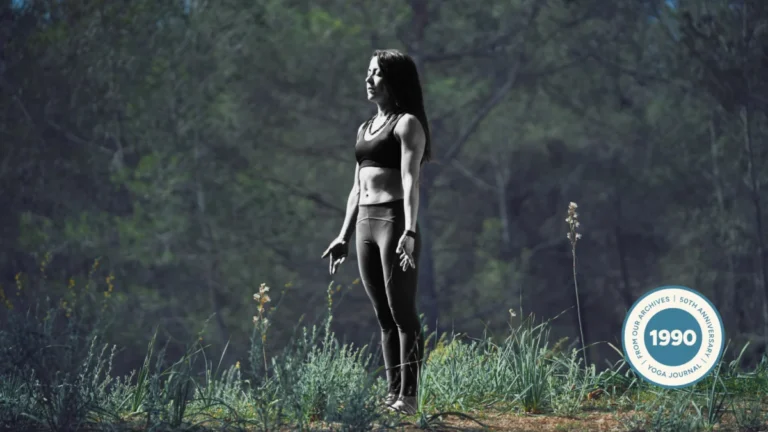
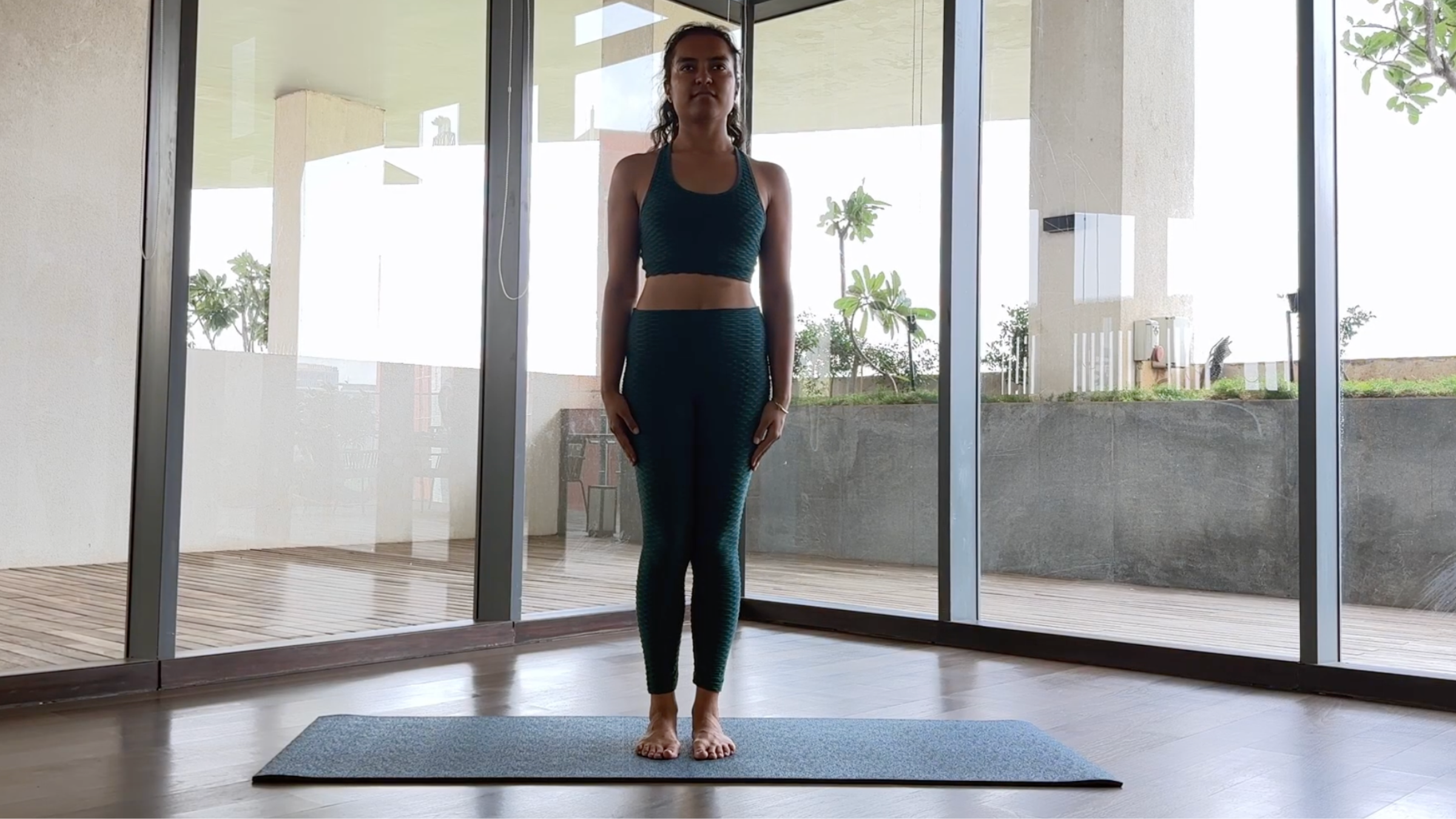
1. Mountain Pose (Tadasana): The Foundation of Presence
Mountain Pose is frequently dismissed as “just standing,” yet it is the bedrock of yoga. It is a study in active engagement and intentionality. When you are fatigued, your posture often reflects a lack of confidence and a collapse of the spine. Tadasana reverses this by demanding structural integrity.
How to Practice:
Stand with your feet either together or hip-width apart, depending on your center of gravity. Distribute your weight evenly across the soles of your feet. Spread your toes, pressing them into the floor to activate the arches. Lengthen your tailbone toward the ground while simultaneously broadening your chest. Draw your shoulder blades down and back, away from your ears. Hold this for 5 to 8 full, deep breaths, visualizing yourself as an immovable, steady mountain.
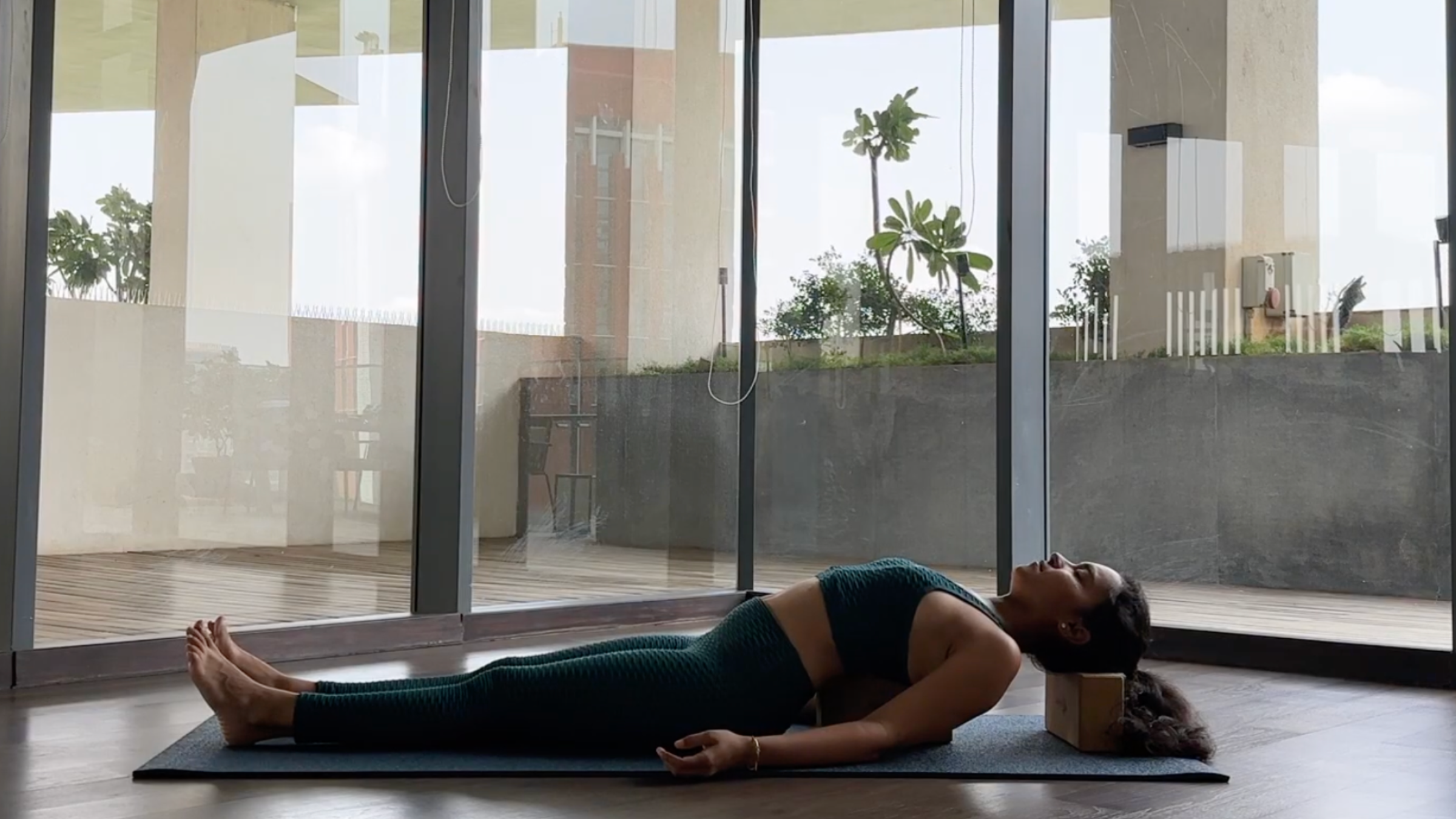
2. Supported Fish Pose (Matsyasana): Reversing the Slump
Modern fatigue is inextricably linked to the “tech-neck” and slumped shoulders associated with screens. The Supported Fish Pose uses props to do the heavy lifting for you, allowing the chest to open without muscular strain.
How to Practice:
Place a block or a firm cushion horizontally under your mid-back, and a second support under your head to ensure the neck is not strained. The goal is to allow the shoulders to melt toward the floor, opening the thoracic spine. Keep your knees bent with feet flat on the floor, or extend your legs if that feels more restorative. Stay here for 2 to 3 minutes, focusing on expanding your ribcage with each inhalation.
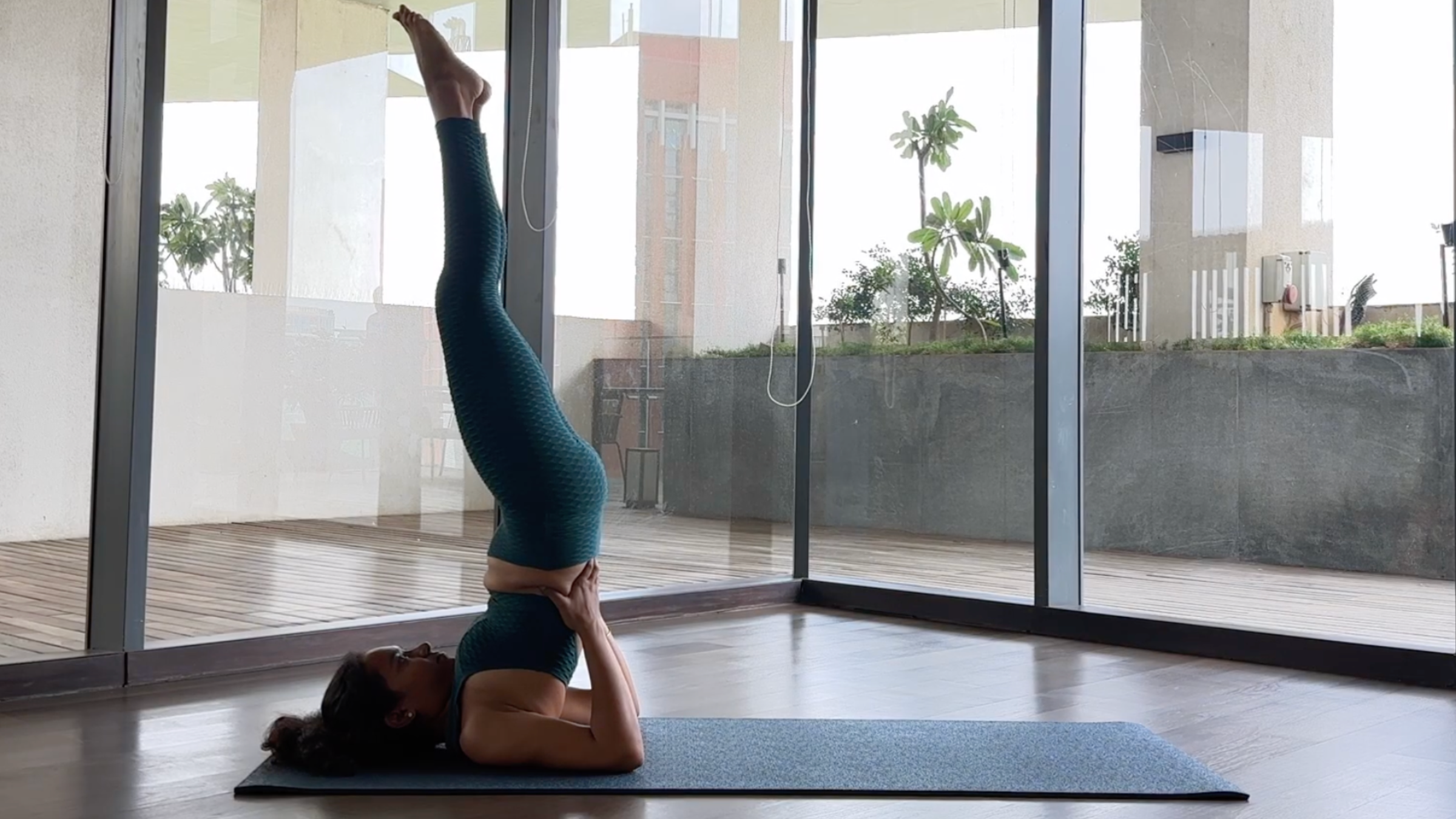
3. Supported Shoulderstand (Salamba Sarvangasana): The Circulatory Reset
Inversion poses are potent tools for shifting perspective. By gently elevating the legs, we encourage blood flow back toward the heart and brain, which can provide a significant boost to alertness without over-exerting the heart.
How to Practice:
Begin on your back. Press your arms into the mat for stability, draw your knees toward your chest, and lift your hips. Support your lower back with your hands. Extend one leg at a time toward the ceiling. Keep the engagement in your core and legs, but maintain a soft, steady gaze. If you feel any strain in your neck, lower yourself immediately. Stay for 3 to 5 breaths before slowly rolling down.
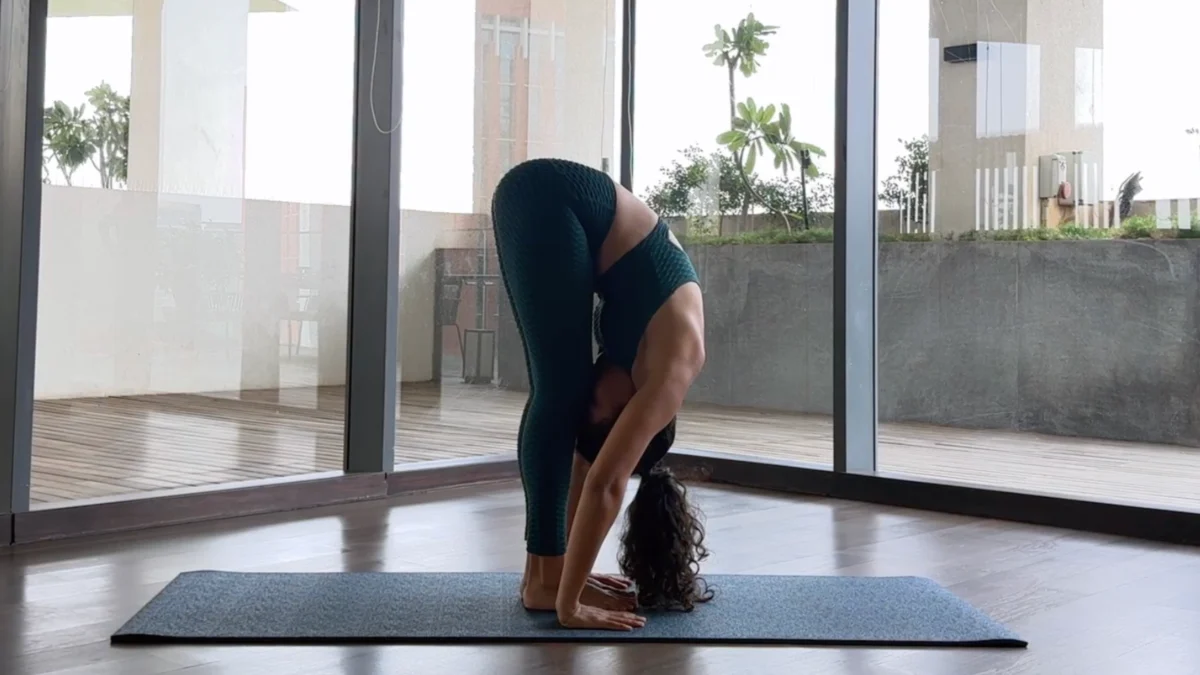
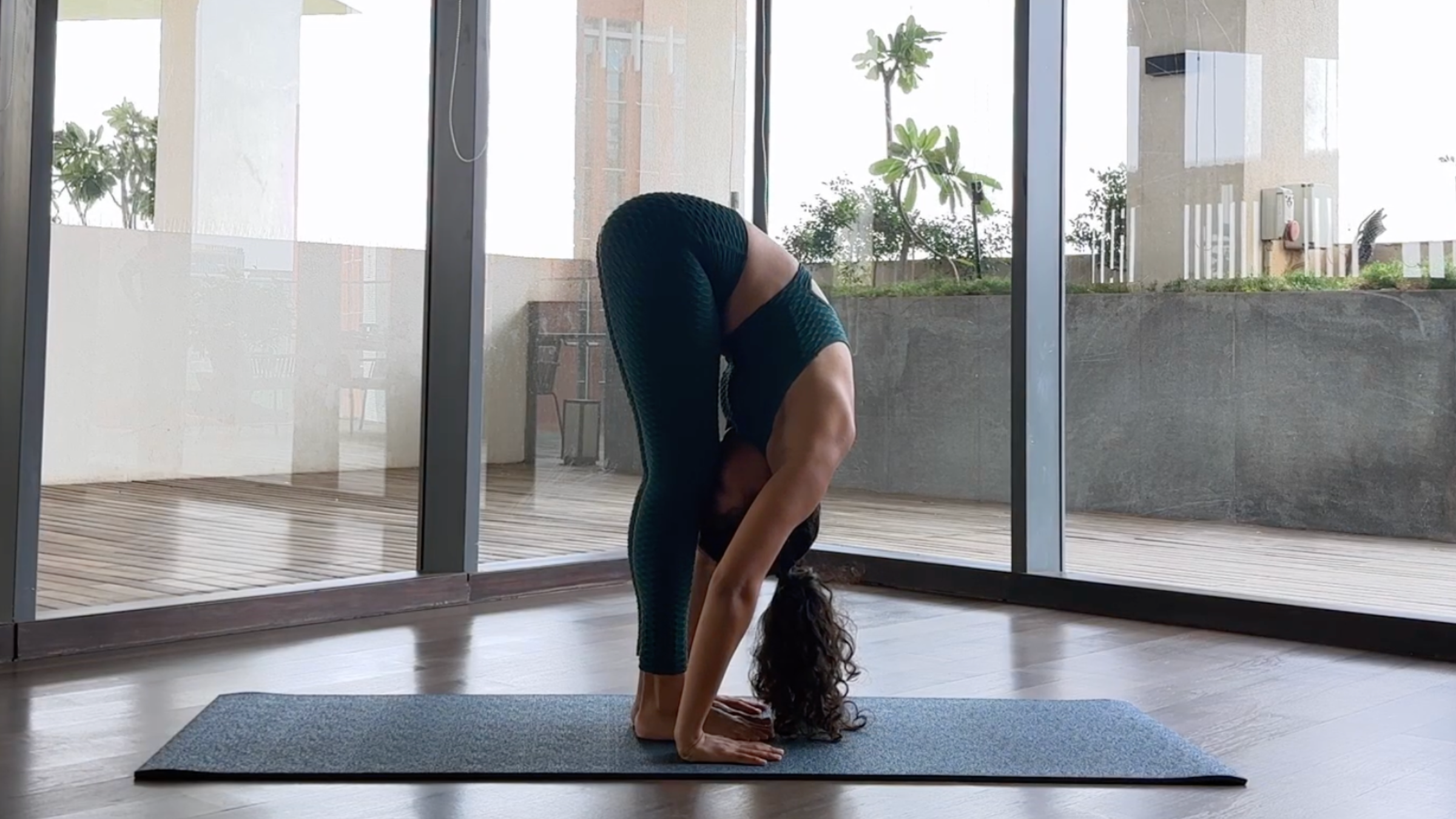
4. Standing Forward Bend (Uttanasana): Grounding the Mind
Forward bends are fundamentally reflective postures. By folding forward, you disconnect from the visual stimuli of the room and turn your attention inward. This pose provides a deep release for the hamstrings, lower back, and neck—common sites of physical tension during stressful periods.
How to Practice:
Stand with feet hip-distance apart. Hinge at the hips, keeping a slight bend in your knees to protect the lower back. Allow your hands to hang toward the floor or rest on blocks. Let your head be heavy, releasing the tension in your cervical spine. Shift your weight slightly forward toward the toes. Hold for 5 to 8 breaths, then rise slowly to avoid dizziness.
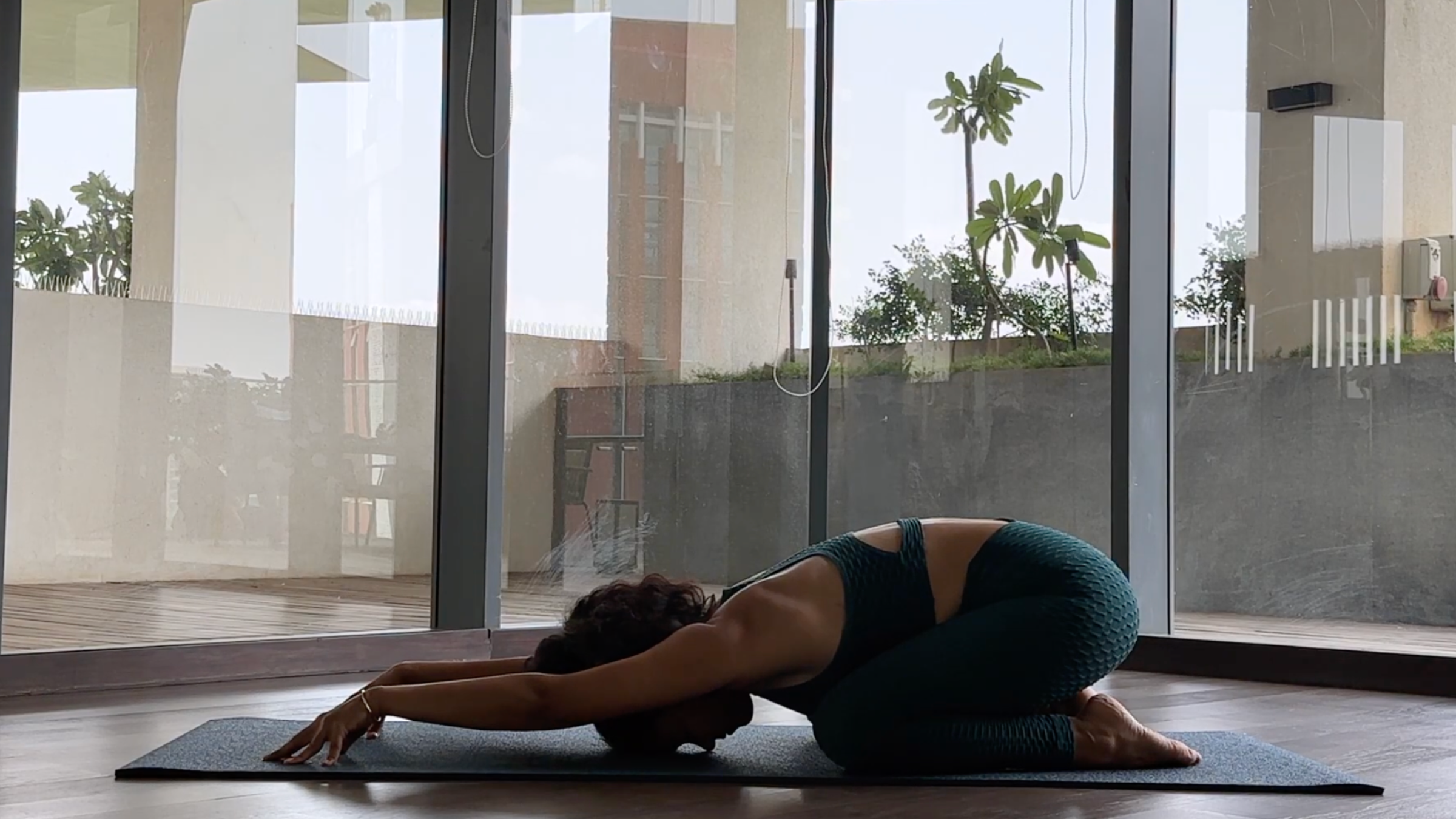
5. Active Child’s Pose (Balasana): Engaged Restoration
Unlike a passive child’s pose, the “active” variation keeps the arms extended and the muscles gently engaged. This prevents the body from slipping into a state of total lethargy, keeping a small spark of energy alive while still enjoying the benefits of deep rest.
How to Practice:
From your hands and knees, sink your hips back toward your heels. Stretch your arms forward, walking your fingers away from you until you feel a gentle stretch in the lats and shoulders. Press your palms into the floor and rest your forehead on the mat or a block. Stay as long as you feel comfortable, feeling the length in your spine.
6. Toe and Ankle Movement: The Micro-Movement Secret
Often, the simplest movements are the most effective for blood flow. Because many of us remain static for hours, our lower extremities become stagnant. This movement can be performed anywhere, making it a perfect “reset” for the office or the couch.
How to Practice:
Sit with your legs extended. Point your toes forward, then flex them back toward your shins, pushing through the heels. Repeat this cycle to mobilize the ankles. Then, focus on the toes: spread them as wide as possible, then scrunch them into a tight fist. Repeat this for several rounds to wake up the extremities and improve circulation.
Breathwork: The Aum Resonance
To conclude your practice, incorporate Aum chanting. This is not merely a spiritual exercise; it is a mechanical one. The vibrations created by the syllables “A,” “U,” and “M” have a soothing effect on the vagus nerve, which helps regulate the heart rate and calm the nervous system.
How to Practice:
Sit in a comfortable position. Take a full breath. On the next exhale, chant “Aaaah,” feeling the vibration in your chest. Inhale, then chant “Ooooh,” feeling it in your throat. Inhale, and finally chant “Mmmm,” feeling the resonance in your head and lips. Notice the lingering stillness in your body once the sound fades.
Implications for Daily Life
Integrating these movements into your daily routine is not about adding “another chore” to your to-do list. It is about reclaiming your agency over your own energy levels. By treating these 15–20 minutes as a non-negotiable administrative necessity—much like paying a bill or checking email—you provide your body with the biological data it needs to function efficiently.
Fatigue is a signal, not a character flaw. When we listen to that signal with intentional movement and mindful breath, we transform our exhaustion from a roadblock into a catalyst for self-care. The result is a more present, grounded, and high-spirited version of ourselves, ready to tackle the complexities of life with renewed clarity.