By Staff Reporters
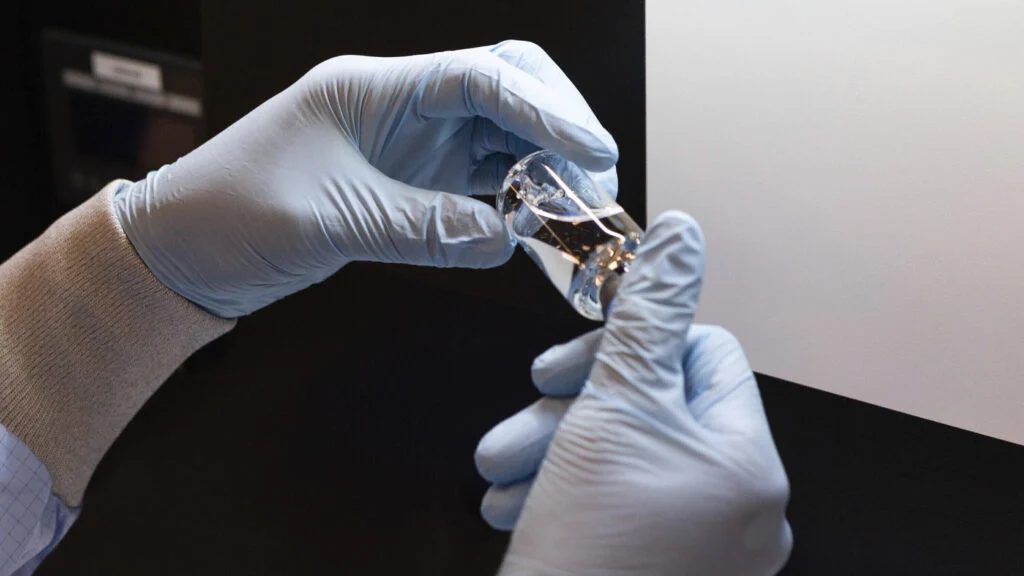
In a critical development for global health security, World Health Organization (WHO) officials announced this week that a landmark clinical trial is set to commence in the Democratic Republic of the Congo (DRC). The study aims to evaluate the safety and efficacy of two experimental therapies—Gilead Sciences’ antiviral remdesivir and MappBio’s monoclonal antibody MBP-134—against the Bundibugyo ebolavirus, a rare and aggressive species of the virus currently fueling a significant outbreak in Central Africa.
The initiative represents a massive collaborative effort, bringing together the DRC’s National Institute of Biomedical Research (INRB), international aid organizations, academic institutions like the University of Oxford, and the WHO. As the outbreak continues to strain local healthcare infrastructure, this trial offers a glimmer of hope in a region long plagued by volatility.
Main Facts: The Battle Against a Rare Strain
The Bundibugyo species of the Ebola virus is particularly vexing for clinicians. Unlike the more common Zaire strain, for which effective vaccines and therapeutics have been developed in recent years, Bundibugyo has historically lacked targeted countermeasures.
The clinical trial, scheduled to begin next week, is structured to address two primary objectives: first, to determine if either remdesivir or MBP-134 can successfully neutralize the virus; and second, to investigate whether a combination therapy provides a synergistic effect, potentially saving more lives than either drug could alone.
The logistics of the trial are immense. The U.S. government, through the Biomedical Advanced Research and Development Authority (BARDA), has played a pivotal role by funding the research into MBP-134 and securing the supply of doses for the trial. Gilead Sciences has similarly stepped up, providing the necessary remdesivir supplies.
Chronology: A Crisis in the Making
The current outbreak is the third largest on record, and its trajectory has been characterized by rapid expansion and immense complexity.
- Initial Detection: The outbreak was identified in the northeastern provinces of the DRC, an area already suffering from the "triple threat" of political instability, mass population displacement, and severe food insecurity.
- The Escalation: Over the past few months, the infection rate has climbed steadily. As of the latest reporting, the DRC has recorded nearly 1,100 confirmed cases and over 275 deaths.
- Cross-Border Impact: The virus has demonstrated its ability to travel. Neighboring Uganda has reported 20 confirmed cases and two deaths, stemming from imported infections that triggered limited local transmission.
- The Launch of the Trial: Following weeks of negotiations and the mobilization of resources, the WHO, in partnership with local and international stakeholders, finalized the protocol for the clinical trial, with enrollment expected to begin imminently.
Supporting Data: Understanding the Clinical Challenge
The scientific community faces unique hurdles with the Bundibugyo species. Epidemiological data and primate studies suggest that this strain exhibits different pathogenic characteristics compared to its counterparts.
The "Severity Paradox"
Interestingly, some studies indicate that the Bundibugyo species may trigger less severe disease in certain cohorts. In controlled primate studies, some animals survived exposure to a typically lethal dose of the virus without any intervention. While this sounds like a positive development, it complicates clinical research.
Vasee Moorthy, the acting lead of the WHO’s R&D Blueprint group, explained that the potential for lower case-fatality rates makes the trial’s design more difficult. "It means that we are looking at around 1,000 participants that would need to be enrolled in the trial before we expect that there will be an answer about the safety and efficacy of any of these options," Moorthy stated. A larger sample size is essential to distinguish between natural survival and the actual therapeutic benefit of the drugs being tested.
Operational Environment
The trial will be conducted across multiple Ebola treatment units (ETUs) managed by a diverse array of non-governmental organizations. The list of partners includes:
- ALIMA (The Alliance for International Medical Action): Providing specialized care and trial infrastructure.
- Doctors Without Borders (MSF): A long-standing presence in the region, managing critical patient intake.
- Samaritan’s Purse: Contributing to the humanitarian and medical response on the ground.
Official Responses: Coordination Amidst Chaos
The success of the trial rests on the coordination of these disparate entities. The WHO has emphasized that while the clinical trial is a major scientific endeavor, it must operate in harmony with ongoing efforts to contain the outbreak through contact tracing, infection prevention, and community engagement.

"We are moving forward with a sense of urgency," said a spokesperson for the WHO. "The goal is to provide a standardized, evidence-based treatment protocol to clinicians who are currently operating with limited tools."
The involvement of the U.S. government via BARDA underscores the international stakes. By owning the doses of MBP-134, the U.S. has ensured that the therapy is available exactly where it is needed most, bypassing some of the typical bureaucratic hurdles associated with pharmaceutical supply chains during humanitarian crises.
While MBP-134 has shown promise as both a therapeutic treatment for those already infected and as a prophylactic for those exposed, the current trial will focus exclusively on the therapeutic application. Officials believe that focusing on active cases is the most ethical and effective use of the limited supply of the monoclonal antibody at this time.
Implications: A New Era for Infectious Disease Response
The launch of this trial has profound implications for how the global community responds to future outbreaks.
The Shift Toward "Adaptive Trials"
The use of a consortium—including the INRB, the University of Oxford, and the WHO—reflects a shift toward more flexible, adaptive clinical trial designs. In an outbreak setting, traditional static trials are often too slow. By utilizing an adaptive framework, researchers can potentially adjust the study parameters as they gain more data, ensuring that patients receive the most effective care as soon as it is identified.
The Need for Prophylactics
The decision to test MBP-134 only as a treatment—despite its potential as a preventative—highlights the current scarcity of resources. If this trial proves the drug’s efficacy, it could pave the way for future studies focused on "ring vaccination" or "ring prophylaxis," where the drug is given to the contacts of confirmed patients to stop the virus in its tracks.
Lessons for the DRC and Beyond
The northeastern DRC has been a crucible for epidemic response. The lessons learned here—ranging from how to gain community trust in areas of conflict to how to maintain a cold chain for experimental drugs in remote locations—will be invaluable.
The struggle against the Bundibugyo species serves as a reminder that the Ebola virus is not a monolith. It is a family of viruses, each with its own quirks and weaknesses. By targeting this specific strain, the international community is demonstrating a commitment to "leaving no one behind," even when faced with a rare and notoriously difficult pathogen.
Future Outlook
As the trial begins next week, the eyes of the global health community will be fixed on the DRC. The success of this study would not only provide a life-saving tool for those currently suffering but would also provide a blueprint for future rapid-response clinical trials.
However, the shadow of the region’s instability looms large. Success in the clinic does not guarantee success in the field. The trial will need to overcome the logistical nightmare of delivering care to displaced populations and the social challenge of building trust in medical interventions. As Dr. Moorthy noted, the 1,000-participant goal is a high bar, but it is a necessary one to ensure that when a treatment is finally declared "effective," it is backed by the scientific rigor required to end the outbreak once and for all.
In the coming weeks, as the first patients are enrolled, the world will wait to see if these two drugs can break the cycle of infection that has claimed far too many lives in Central Africa. The race is officially on, and the outcome could reshape the landscape of infectious disease treatment for years to come.