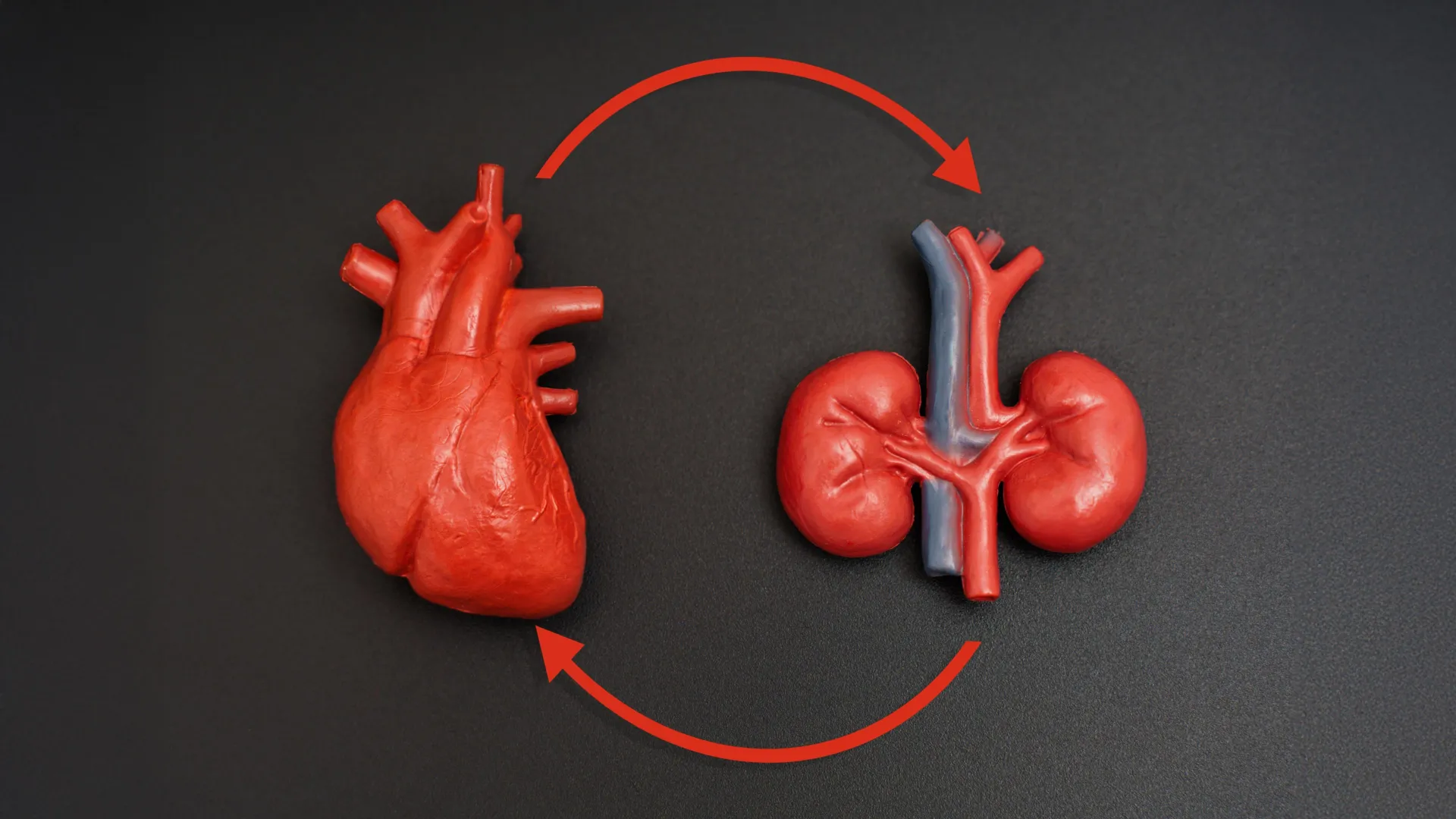
In the landscape of modern medicine, we have historically treated the human body as a collection of silos: the cardiologist handles the heart, the nephrologist monitors the kidneys, and the endocrinologist manages metabolism. However, a groundbreaking shift in clinical understanding is challenging this fragmented approach. At the center of this transformation is Cardiovascular-Kidney-Metabolic (CKM) syndrome—a condition that, while largely unknown to the general public, affects nearly 90% of American adults.
A recent survey conducted by The Harris Poll on behalf of the American Heart Association (AHA) has unveiled a striking dichotomy: while the vast majority of the U.S. population is unaware of the term "CKM syndrome," there is a profound, latent desire among patients to understand how their heart, kidneys, and metabolic systems are fundamentally intertwined. As the medical community prepares to codify this understanding in formal clinical guidelines by early 2026, the healthcare industry is bracing for a paradigm shift that promises to change how we diagnose, treat, and prevent chronic disease.
The Anatomy of a Modern Health Crisis
To understand the urgency behind the AHA’s CKM Health Initiative, one must first look at the sheer scale of the condition. CKM syndrome is not a single disease but a systemic state where heart disease, kidney disease, diabetes, and obesity converge.
Nearly 90% of U.S. adults live with at least one risk factor that contributes to this syndrome. These risk factors—which include elevated blood pressure, abnormal lipid profiles, high blood glucose levels, excessive adipose tissue (weight), and declining kidney function—are often managed as isolated concerns. Yet, when these conditions occur in tandem, they create a "synergistic storm." The presence of multiple risk factors exponentially increases the risk of catastrophic events, such as heart attack, stroke, and heart failure, far beyond the risk posed by any single condition alone.
The cardiovascular, renal, and metabolic systems are not merely neighbors within the body; they are deeply integrated partners. The metabolic system, responsible for the conversion, storage, and utilization of energy, directly influences blood glucose and weight. When this system falters, it places immediate, measurable strain on the kidneys and the heart. Conversely, a weakening heart can lead to fluid retention that damages the kidneys, creating a self-perpetuating cycle of physiological decline.
A Chronology of Awareness: From Research to Public Discourse
The path to defining CKM syndrome has been a decade-long evolution in clinical cardiology.
- Pre-2020: The medical community recognized the "comorbidity trap," where patients with diabetes often presented with heart failure, but clinical trials and treatment pathways remained largely separated by specialty.
- 2023: The American Heart Association officially articulated the CKM syndrome framework, moving to bridge the gap between cardiologists, nephrologists, and primary care physicians.
- August 2025: The Harris Poll conducted a comprehensive survey of over 4,000 U.S. adults to gauge public awareness. The results were clear: while the terminology is new, the lived experience of the condition is widespread.
- Early 2026: The medical community anticipates the release of the first-ever formal clinical guidelines for CKM syndrome, which will standardize screening and care protocols across the United States.
Supporting Data: What the 2025 Survey Revealed
The August 2025 survey serves as a clarion call for improved patient education. With 4,007 adults participating, the data provides a statistically significant snapshot of the American public’s health literacy.
The findings indicate a major gap in understanding: patients are frequently aware of their individual risk factors, such as "high blood pressure" or "a bit of extra weight," but they fail to perceive these as interconnected parts of a unified syndrome. However, the survey also provided a note of optimism. Once the concept of the "CKM connection" was explained, nearly three-quarters of respondents immediately grasped the significance of the syndrome and expressed a proactive interest in learning more about how to manage it.
This highlights a critical opportunity for the healthcare industry. When patients understand that their weight, blood sugar, and kidney health are part of a single, manageable "full circle" of health, they are significantly more likely to engage in preventative care and lifestyle modifications.
Official Responses and the Call for Collaborative Care
Dr. Eduardo Sanchez, the American Heart Association’s chief medical officer for prevention, has been a leading voice in the push for a more integrated medical model. "We want people to know that it’s really common to have heart, kidney, and metabolic risk factors at the same time," Dr. Sanchez stated. "The heart, kidney, and metabolic systems are connected and, as such, should be treated in a coordinated way."
The implications of this statement are profound. It suggests that the current "referral-based" model—where a patient sees a specialist only after a specific organ system begins to fail—is outdated. Instead, the AHA is advocating for a collaborative care model where interdisciplinary teams monitor the "CKM health" of a patient as a baseline.
"These results reveal the need to emphasize those connections and help patients understand the importance of collaborative care," Dr. Sanchez added. By shifting the focus to early detection, the medical community hopes to move from a reactive stance to a proactive, preventative one.
Implications: The Path to Reversibility
Perhaps the most encouraging aspect of the CKM framework is the potential for reversal. Unlike many genetic conditions that are fixed, the factors driving CKM syndrome are often highly responsive to lifestyle and medical intervention.
The American Heart Association’s CKM Health Initiative is currently deploying a suite of educational tools to help the public take charge. The initiative centers on the "2 Truths" of heart health, emphasizing that by managing blood pressure, cholesterol, weight, blood sugar, and kidney function, individuals can break the cycle of systemic strain.
For healthcare professionals, the implications are equally significant. The AHA has launched an online resource hub at heart.org/CKMtools, providing clinicians with the resources needed to implement interdisciplinary care plans. This is supported by a coalition of industry leaders, including Novo Nordisk, Boehringer Ingelheim, Novartis Pharmaceuticals, Bayer, and DaVita, all of whom are backing the initiative to ensure that the message of "connected health" reaches both the doctor’s office and the patient’s home.
Conclusion: A New Era of Preventative Medicine
As we approach 2026, the definition of CKM syndrome will likely become a cornerstone of preventative medicine. The transition from viewing diseases in isolation to viewing them as part of a unified metabolic and cardiovascular landscape represents the greatest opportunity for reducing the burden of chronic disease in the 21st century.
For the average American, the message is simple: you are not just a collection of organs. Your heart, kidneys, and metabolic health are an integrated system. By understanding the connections between these systems and working with healthcare providers to monitor them collectively, individuals can significantly reduce their risk of life-altering events. The era of the "siloed" patient is coming to an end; the era of holistic, interconnected, and proactive health management is just beginning.
Research Methodology Note
The survey referenced in this report was conducted online in the United States by The Harris Poll on behalf of the American Heart Association among 4,007 U.S. adults aged 18 and older. The data was collected between August 6 and August 22, 2025. Results were weighted by key demographic variables—including age, gender, race/ethnicity, household income, and employment status—to ensure they are representative of the U.S. population. With a Bayesian credible interval, the results are accurate within ± 2.0 percentage points at a 95% confidence level, providing a robust foundation for the AHA’s ongoing initiatives.