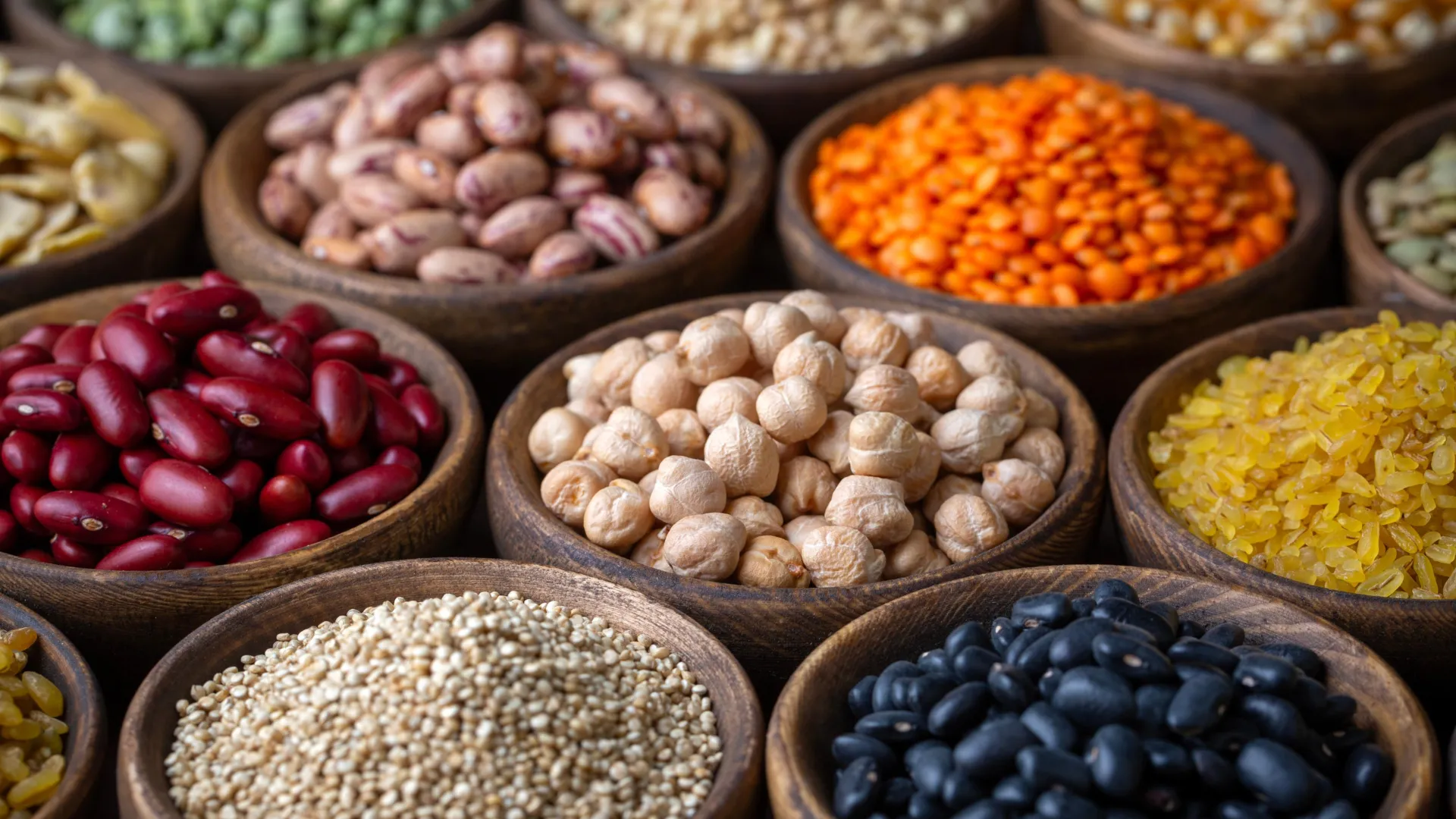
In a significant development for global cardiovascular health, a comprehensive new meta-analysis has identified a clear, actionable link between dietary patterns and the prevention of hypertension. The study, published in the open-access journal BMJ Nutrition Prevention & Health, suggests that prioritizing legumes and soy-based foods could serve as a potent, non-pharmacological strategy to combat the rising tide of high blood pressure worldwide.
By analyzing data from diverse populations across the United States, Europe, and Asia, researchers have established that these plant-based staples—ranging from humble chickpeas to versatile tofu—offer a protective effect that could significantly reduce the incidence of one of the world’s most pervasive health conditions.
The Core Findings: A Dietary Prescription for Blood Pressure
The research underscores a compelling "dose-response" relationship: the more legumes and soy an individual incorporates into their diet, the lower their risk of developing high blood pressure, up to a specific, identifiable threshold.
According to the analysis, individuals who consumed the highest quantities of legumes were 16% less likely to develop hypertension compared to those with the lowest intake. The benefits were even more pronounced for soy products, which were associated with a 19% reduction in risk.
For those looking to quantify these benefits, the study offers practical targets:
- Legumes: The protective effect grows steadily as consumption increases, peaking at approximately 170 grams per day, where the risk reduction reaches roughly 30%.
- Soy Foods: The most significant benefits are achieved at a daily intake of 60 to 80 grams, resulting in a 28% to 29% reduction in risk. Interestingly, the study suggests a "plateau effect" for soy, where consuming amounts beyond 80 grams does not necessarily yield additional protection against hypertension.
To put these figures into perspective, 100 grams is roughly equivalent to a single cup of cooked beans, peas, or lentils, or a palm-sized portion of tofu. These findings provide a concrete, dietary-based roadmap for individuals aiming to manage their cardiovascular health through nutrition.
Chronology of the Meta-Analysis: Synthesizing Global Data
While the heart-health benefits of plant-based diets have long been suspected, the scientific community has historically struggled with inconsistent data regarding the specific impact of legumes and soy on blood pressure. To resolve these ambiguities, researchers conducted an exhaustive review of scientific literature published through June 2025.
The investigation was designed to be as rigorous and inclusive as possible. By aggregating data from 10 published papers encompassing 12 long-term observational studies, the researchers synthesized a massive pool of real-world evidence.
- Geographic Diversity: The studies spanned three continents, including five from the United States, five from Asian nations (China, Iran, South Korea, and Japan), and two from Europe (France and the UK).
- Scale and Scope: The participant base was extensive, ranging from small cohorts of 1,152 to massive longitudinal studies involving over 88,000 individuals. Across these datasets, researchers tracked between 144 and 35,000 documented cases of hypertension, allowing for a statistically robust analysis that accounts for varying lifestyle and environmental factors.
By pooling this data, the research team was able to move beyond the limitations of individual studies, creating a meta-analysis that carries significant weight in the clinical nutrition community.
The Science of Protection: Why Legumes and Soy Work
The study concludes that there is a "probable causal relationship" between the consumption of these foods and lower blood pressure, based on the World Cancer Research Fund’s stringent evidence grading criteria. The researchers propose several biologically plausible mechanisms to explain these results:
Nutritional Density
Legumes and soy are nutritional powerhouses. They are naturally high in potassium, magnesium, and dietary fiber—a "holy trinity" of nutrients known to facilitate healthy blood pressure regulation. Potassium helps the body excrete sodium and eases tension in blood vessel walls, while magnesium is essential for maintaining proper vascular tone.
The Gut-Heart Connection
A burgeoning area of research highlighted in the study involves the role of the gut microbiome. The soluble fiber found in legumes and soy acts as a prebiotic; when fermented in the gut, it produces short-chain fatty acids (SCFAs). These compounds are believed to promote vasodilation—the widening of blood vessels—which allows for smoother blood flow and reduced systemic pressure.
Isoflavones and Plant Chemistry
Soy foods possess a unique chemical profile, including high levels of isoflavones. These plant-derived phytoestrogens have been linked to improved endothelial function—the ability of blood vessels to constrict and dilate effectively—which is a primary marker of cardiovascular health.
Addressing the "Consumption Gap"
Despite the overwhelming evidence supporting the inclusion of these foods, the study authors sounded an alarm regarding current dietary habits, particularly in Western nations.
In Europe and the UK, for instance, average legume consumption is estimated at a mere 8 to 15 grams per day. This is drastically lower than the 65 to 100 grams recommended by various health organizations for optimal cardiovascular health. The authors argue that closing this "consumption gap" is not merely a matter of personal preference but a vital public health imperative.
"The findings of this meta-analysis have major public health implications, given the alarming global increase in hypertension prevalence," the authors wrote. They emphasized that integrating these affordable, sustainable, and nutrient-dense foods could be one of the most effective, low-cost strategies to combat the global burden of non-communicable diseases.
Expert Perspectives: Strengthening the Case for Plant-Based Diets
The medical community has responded positively to the study, viewing it as a pivotal piece of evidence for the efficacy of plant-based nutrition.
Professor Sumantra Ray, chief scientist and executive director of the NNEdPro Global Institute for Food, Nutrition and Health, noted that the study provides a much-needed evidence base for "cardioprotective" dietary strategies.
"The authors have significantly added to the case for using legumes and soy as primary dietary strategies to mitigate the global burden of hypertension," Professor Ray stated. He specifically lauded the dose-response analysis, noting that defining specific intake targets makes the research far more applicable in clinical settings. "It allows doctors to provide patients with actionable, evidence-based recommendations rather than vague advice to ‘eat healthier,’" he added.
However, the scientific community remains measured in its interpretation. Professor Ray also acknowledged the limitations inherent in meta-analyses. Because the source studies varied in their methodologies—differing in how they defined hypertension, how they measured dietary intake, and the specific types of legumes consumed—there is always a degree of "unmeasured influence."
Furthermore, he pointed to the "plateau" found in soy consumption as a key area for future research. "It remains unclear if the lack of additional benefit beyond 80 grams reflects a true biological limit of the body’s ability to process these compounds, or if it is simply a byproduct of the smaller number of studies available for analysis at those higher levels," he noted.
Implications for the Future of Healthcare
The implications of this research are twofold: they serve as both a call to action for the public and a guide for policymakers.
For the average consumer, the message is simple: swapping a serving of processed animal protein for a cup of lentils, beans, or a portion of tofu is a low-risk, high-reward modification. These foods are not only shelf-stable and cost-effective, but they are also ecologically sustainable, aligning personal health goals with planetary wellness.
For policymakers and public health officials, the study provides a clear mandate. Current dietary guidelines, particularly in the West, often fail to emphasize the role of legumes as a staple. The researchers argue that "prioritizing and integrating legumes and soy foods" should be at the forefront of national nutrition programs.
While the authors call for further large-scale, randomized controlled trials to confirm these findings definitively, the current evidence is compelling. In a world where hypertension is a leading contributor to heart disease and stroke, the humble bean and the versatile soy plant may offer a powerful, accessible, and scientifically backed shield against chronic disease. As the research continues, one thing remains clear: our path to better health may start with what we put on our plates.