In the relentless, high-velocity landscape of the 21st century, the pursuit of rest has become an increasingly complex endeavor. As burnout rates climb and the digital tether to our professional lives remains ever-present, the search for accessible, non-pharmacological tools to regulate the nervous system has led many back to the fundamental practices of ancient disciplines. Among these, the yoga pose Viparita Karani, colloquially known as "Legs Up the Wall," has emerged as a cornerstone of restorative wellness.
While the posture may appear deceptively simple—even trivial—to the uninitiated, its physiological and psychological implications are profound. Once a staple in the routines of urban dwellers seeking refuge from the cacophony of city life, the pose is now being validated by clinical research as a powerful mechanism for blood pressure regulation, cognitive restoration, and stress mitigation.
The Anatomy of an Inversion: Main Facts
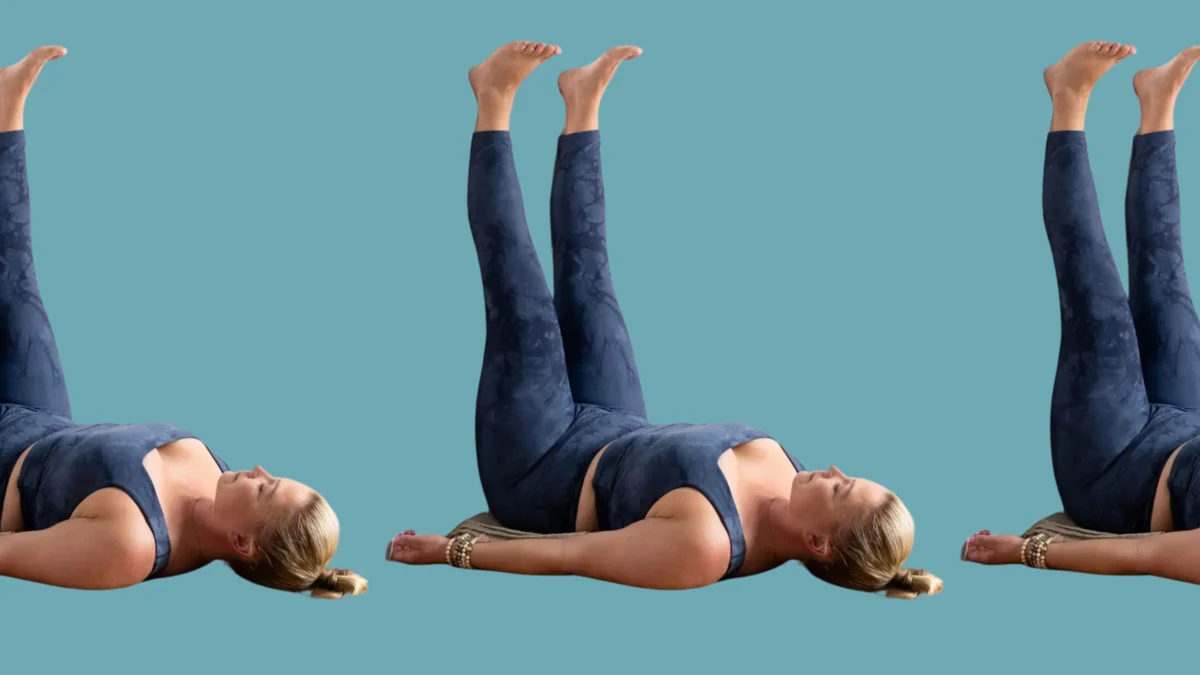
At its core, Viparita Karani is a passive inversion. Unlike more vigorous yoga postures that demand core stability and muscular engagement, this pose is designed for surrender. The practitioner aligns their sit bones against a vertical surface, extending their legs upward to create a gentle, gravity-assisted flow of blood toward the heart and brain.
The beauty of the pose lies in its accessibility. It requires no specialized equipment, expensive subscriptions, or significant physical flexibility. It is, effectively, a "democratic" exercise—an act of self-care available to anyone with a few spare square feet of floor space and a vertical surface. Whether it is a wall, the side of a couch, a sturdy chair, or even the trunk of a tree, the mechanics remain consistent: by elevating the lower extremities above the level of the heart, the body shifts its circulatory and nervous system priorities.
A Brief Chronology of Restorative Practice
The integration of restorative yoga into Western wellness culture has been a slow-burn evolution. While the roots of Viparita Karani trace back thousands of years to Hatha Yoga traditions, its modern popularity in the West gained significant momentum in the 1980s and 90s, largely popularized by instructors like B.K.S. Iyengar and Judith Hanson Lasater, who emphasized the necessity of prop-supported poses for deep nervous system repair.
- The 1990s: Restorative yoga began to shift from a niche yogic practice to a mainstream therapeutic modality, as practitioners noted the relief it provided to those suffering from chronic fatigue and "Type A" stress.
- The 2010s: The digital revolution accelerated the need for "unplugging." As the "hustle culture" phenomenon took hold, the contrast between high-intensity lifestyles and the stillness of Viparita Karani became a point of cultural focus.
- 2020 to Present: The global pandemic served as a catalyst for a paradigm shift. With stress levels reaching unprecedented highs, medical professionals and wellness coaches alike began prescribing "passive rest" as a critical component of mental health maintenance. Today, the pose is a staple in corporate wellness programs, sleep hygiene workshops, and physical therapy clinics.
Supporting Data: The Science of Circulation and Calm
The efficacy of Legs Up the Wall is not merely anecdotal; it is rooted in the physiological responses of the body to gravity and position. Research published in journals such as the National Journal of Physiology, Pharmacy and Pharmacology has consistently highlighted the link between passive leg elevation and improved hemodynamic function.
Hemodynamic and Neurological Benefits
When the legs are elevated, gravity assists venous return—the process by which blood flows from the lower extremities back to the heart. This reduces the workload on the heart and can contribute to a decrease in blood pressure.
More importantly, the pose acts as a "switch" for the autonomic nervous system. By encouraging the body to remain in a supine, inverted position, the practitioner triggers the parasympathetic nervous system—the "rest and digest" counterpart to the "fight or flight" sympathetic nervous system.
Key physiological impacts include:
- Reduced Cortisol Levels: Clinical observations suggest that 10 minutes of supported inversion can significantly lower serum cortisol, the primary stress hormone.
- Heart Rate Variability (HRV): Practitioners often report an increase in HRV after regular practice, a key marker of resilience and the body’s ability to recover from stress.
- Lymphatic Drainage: The elevation of the legs aids the lymphatic system, which lacks a central pump, in moving fluid more efficiently, potentially reducing edema (swelling) in the feet and ankles.
Official Perspectives and Expert Consensus
Medical professionals are increasingly recommending restorative yoga to patients suffering from insomnia, anxiety, and hypertension. Dr. Elena Vance, a specialist in integrative medicine, notes, "We often tell patients to ‘go to sleep’ but fail to provide the physical tools to get the body into the state where sleep is actually possible. Viparita Karani is a physiological bridge. It signals to the brain that it is safe to down-regulate."
Yoga educators also emphasize that the "doing" is the trap. "The most common mistake I see," says Sarah Jenkins, a senior yoga instructor, "is that people try to ‘fix’ themselves in the pose. They hold tension in their hips or tighten their faces. The power of this pose is found only when you relinquish the need to achieve and instead simply exist in the space."
Implications for Modern Living
The implications of adopting a regular practice of Viparita Karani extend beyond the immediate relief of physical tension. In an era characterized by fragmented attention and constant sensory overload, the act of lying still for 10 minutes is, in itself, an act of rebellion.
The "Nap" Alternative
For many, the post-lunch slump or the pre-bedtime "racing mind" is typically met with caffeine or blue-light-emitting screens. Substituting these habits with a 10-minute session of Legs Up the Wall offers a recalibration of the mind. Unlike a standard nap, which can sometimes lead to sleep inertia or interfere with nighttime rest, this pose provides a state of "alert rest"—a meditative state that leaves the practitioner feeling refreshed rather than groggy.
Practical Implementation: A Guide for the Skeptic
For those new to the practice, the entry point is simple. The following steps ensure maximum benefit:
- Preparation: Choose a quiet space. While not required, a folded blanket under the pelvis can elevate the hips and increase comfort.
- The Approach: Sit with one side of your body as close to the wall as possible. As you lie back, pivot your body so your legs are resting against the wall.
- The Adjustment: Ensure the sit bones are as close to the wall as is comfortable. If you feel a strain in the hamstrings, move slightly further away from the wall.
- The Release: Arms should be placed where they feel most natural—perhaps open to the sides to expand the chest, or resting on the abdomen to encourage diaphragmatic breathing.
- The Exit: Do not rush the transition. Rolling to the side and pausing before standing is crucial to allow the circulatory system to re-adjust to the vertical position.
Conclusion: The Necessity of Stillness
In a culture that equates value with productivity, Viparita Karani serves as a necessary reminder that rest is not a reward for work, but a prerequisite for human function. As we continue to navigate the stresses of a modern, digitized world, the simple, ancient act of putting our legs up the wall remains one of the most effective, accessible, and scientifically sound interventions available to us. By choosing to embrace this stillness, we are not merely performing a yoga pose; we are reclaiming our capacity for balance in an increasingly unbalanced world.