








With more than 135 million adults in the United States currently living with type 2 diabetes (T2D) or existing in the "pre-diabetic" danger zone, the quest for dietary clarity has never been more urgent. For decades, nutritional guidelines have frequently positioned red meat as a primary target for exclusion in heart-healthy diets. However, a landmark randomized controlled trial (RCT) recently published in Current Developments in Nutrition suggests that the relationship between beef consumption and metabolic health may be more nuanced than previously assumed.
The study, titled "Effects of Diets Containing Beef Compared with Poultry on Pancreatic β-Cell Function and Other Cardiometabolic Health Indicators in Males and Females with Prediabetes," indicates that incorporating 6 to 7 ounces of lean beef into a daily diet does not negatively impact blood sugar regulation, insulin function, or systemic inflammation markers in those already at risk for diabetes.
The Landscape of Metabolic Health
To understand the significance of this study, one must first grasp the physiological trajectory of type 2 diabetes. T2D does not occur overnight; it is the culmination of a gradual decline in the body’s ability to manage glucose. As cells become resistant to insulin, the pancreas—specifically the β-cells—must work overtime to produce enough insulin to keep blood sugar levels in check. Eventually, these cells lose their efficacy, leading to the clinical diagnosis of T2D.
Given that millions of Americans are currently on this trajectory, the scientific community has been desperate to identify dietary patterns that provide satiety and essential nutrients without accelerating this decline. While poultry has long been the "gold standard" recommendation for protein, this new research suggests that when integrated into a balanced dietary pattern, beef does not yield a statistically different metabolic outcome.
Chronology: A Rigorous Crossover Design
The study was structured as a randomized, crossover trial—the "gold standard" of clinical research. By using a crossover design, researchers ensured that every one of the 24 participants (17 males and 7 females, aged 18–74) served as their own control group. This methodology is particularly powerful in nutritional science, as it minimizes the impact of individual genetic or lifestyle variations.
The Trial Timeline:
- Selection Phase: Researchers recruited 24 adults who were categorized as having overweight or obesity and diagnosed with prediabetes. Despite these factors, they were otherwise considered generally healthy, allowing for a focused look at metabolic markers.
- The Intervention Periods: The study consisted of two distinct 28-day dietary phases.
- The Washout Period: To ensure no "carry-over" effect from one diet to the next, participants underwent a 28-day "washout" period between the two interventions.
- Daily Protocol: During the active phases, participants consumed two meals daily containing either cooked beef or poultry. Each entrée provided approximately 3.0 to 3.5 ounces of meat, totaling 6 to 7 ounces per day. The meat was served in familiar, everyday formats: fajitas, burgers, stew, burritos, and stir-fry.
Supporting Data: The Metabolic Mirror
The primary objective was to determine if the consumption of beef would cause a degradation in metabolic markers compared to the consumption of poultry. Researchers conducted comprehensive testing before and after each 28-day period.
Key indicators measured included:
- Pancreatic β-cell function: The efficacy of the pancreas in insulin production.
- Insulin sensitivity: How effectively the body’s cells respond to insulin.
- Glucoregulatory hormones: The hormonal balance responsible for blood sugar stability.
- Inflammatory markers: Proteins and compounds that indicate systemic stress.
After the 28-day cycles, the results were unequivocal. Researchers found no statistically significant differences between the beef-based diet and the poultry-based diet. In both instances, the participants’ ability to manage glucose and insulin remained stable. The findings demonstrate that, in the context of this study, the inclusion of unprocessed beef did not trigger the inflammatory or glycemic responses that many clinical assumptions had previously predicted.
Expert Perspectives and Official Responses
The lead author of the study, Kevin C. Maki, PhD, an Adjunct Professor at the Indiana University School of Public Health-Bloomington, emphasized that these findings provide a much-needed correction to generalized nutritional anxiety.
"Results from this gold standard RCT build on existing scientific evidence that shows eating beef as part of a healthy dietary pattern supports heart health and does not adversely impact measures of blood sugar regulation or inflammation," Dr. Maki stated. "When beef is consumed as part of a healthy dietary pattern, it helps fill essential nutritional gaps and does not adversely impact the cardiometabolic risk profile compared to poultry."
Supporting this perspective, Indika Edirisinghe, PhD, a Professor of Food Science and Nutrition at the Illinois Institute of Technology, noted the robustness of the study’s timeframe. "The study findings suggest that regular beef intake does not adversely affect metabolic or inflammatory risk factors compared with poultry in an at-risk prediabetic population," said Dr. Edirisinghe. "Although the study duration was relatively short (one month), this time frame is generally considered sufficient to detect measurable metabolic outcomes."
Transparency and Funding
In an era where nutritional research is often met with skepticism due to industry ties, the authors were explicit regarding the study’s funding. The research was supported by the National Cattlemen’s Beef Association, a contractor to the Beef Checkoff. However, the study protocol ensured a firewall between the funders and the researchers. The funding organization played no role in the collection or analysis of the data and was excluded from the editorial process, only reviewing a draft of the manuscript prior to submission to ensure accuracy regarding the provided materials.
Implications for Public Health
The implications of this study are far-reaching. For the 135 million Americans grappling with T2D or prediabetes, the psychological burden of a restrictive diet is a major hurdle to long-term health adherence. If patients feel they must entirely eliminate foods they enjoy, they are less likely to stick to a long-term nutritional plan.
1. Reframing the "Healthy Pattern"
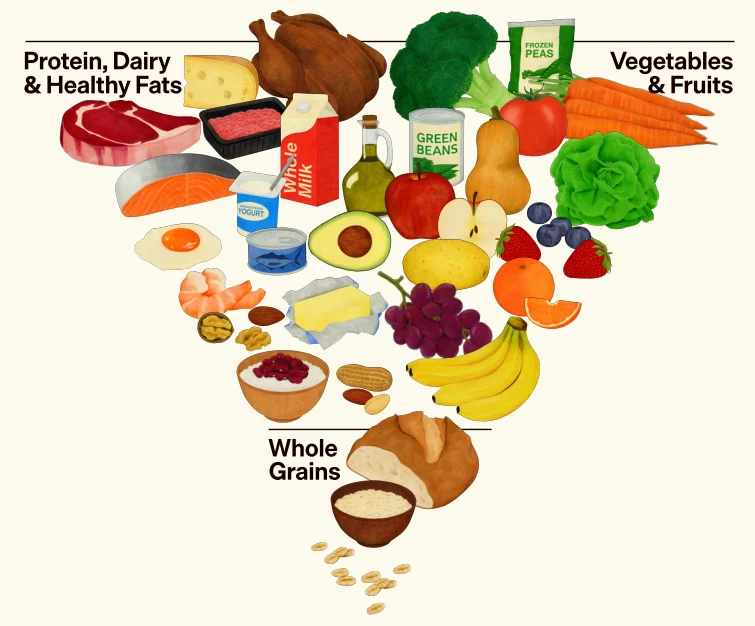
The study reinforces the shift toward "dietary patterns" rather than the demonization of individual food groups. By focusing on the total nutritional intake—rather than isolating the protein source—clinicians can offer more flexible guidance. Beef is a nutrient-dense food, providing high-quality protein, B vitamins, iron, and zinc. This study suggests that these benefits can be leveraged without the presumed metabolic cost.
2. Tailored Clinical Advice
For nutritionists and endocrinologists, the data suggests that red meat does not need to be unilaterally removed from the diets of prediabetic patients, provided the meat is unprocessed and consumed within the context of a controlled, healthy diet. This allows for higher patient satisfaction and potentially better adherence to dietary interventions.
3. Future Research Directions
While the results are promising, the researchers acknowledge that the study is a foundational step. Future research may look at longer-term cohorts (beyond 28 days) and evaluate how different cuts of beef—or varying methods of preparation—interact with the microbiome or gut health over time.
Conclusion
The findings from this RCT challenge the status quo and invite a more nuanced conversation about diet and disease. By demonstrating that beef and poultry yield similar metabolic outcomes in individuals with prediabetes, the study provides a pathway for more inclusive, sustainable, and nutrient-dense dietary advice.
As the medical community continues to battle the rising tide of metabolic disorders, this study serves as a reminder that science thrives on questioning entrenched assumptions. When the data is analyzed without the shadow of bias, the results often show that the path to health is less about the exclusion of specific foods and more about the balance, quality, and context in which they are consumed. For the millions navigating the risks of type 2 diabetes, the message is clear: a balanced, protein-rich diet that includes beef can be a viable component of a life-saving health strategy.