











As we navigate the second half of life, our approach to fitness must evolve. The "no pain, no gain" mantra that may have fueled your twenties often yields more injury than progress in your fifties and beyond. When it comes to building a robust, defined chest after 50, the secret is not in the hours spent under a heavy barbell, but in the precision, intent, and recovery strategies embedded in your routine.
For many, the gym can feel like a daunting environment. However, building functional upper-body strength is not a luxury—it is a medical necessity. By shifting the focus from sheer volume to movement quality, you can combat the natural physiological changes that occur with aging while sculpting a physique that supports your daily life.
The Physiological Reality: Why Training Changes After 50
To understand the importance of targeted chest training, one must first address the biological landscape of the human body post-50. As we age, we enter a phase marked by a natural, gradual loss of skeletal muscle mass and strength, a condition clinically termed sarcopenia.
The Sarcopenia Challenge
Sarcopenia is not merely a matter of aesthetics; it is a critical factor in metabolic health, bone density, and fall prevention. Research published by the National Institutes of Health (NIH) indicates that muscle mass begins to decline at a rate of 3% to 8% per decade after the age of 30, with this rate accelerating significantly after 50. This loss of muscle tissue often leads to a decline in basal metabolic rate, making it harder to maintain a healthy weight and easier to accumulate body fat, particularly around the midsection and chest.
The Role of Strength Training
The good news, supported by extensive peer-reviewed literature, is that sarcopenia is not an inevitable death sentence for your fitness. Resistance training remains the gold standard for mitigating this decline. By engaging in consistent, properly programmed strength training, individuals can stimulate muscle protein synthesis, preserve bone mineral density, and enhance functional movement. A stronger chest isn’t just about how you look in a shirt; it’s about the strength required to push, reach, and stabilize your upper body in everyday scenarios.
Expert Insight: Efficiency Through Accessibility
We spoke with James Bickerstaff, a certified personal trainer at OriGym, to understand how to maximize results without subjecting aging joints to unnecessary wear and tear.
"The misconception is that you need to be bench pressing your body weight to see changes," Bickerstaff explains. "In reality, after 50, we want to prioritize movements that provide a high stimulus-to-fatigue ratio. These four exercises are excellent for hitting the pectorals, shoulders, and triceps, but they are also significantly more forgiving on the rotator cuffs and elbows, making them accessible to almost anyone."
Bickerstaff emphasizes that "quality over quantity" is the mantra for the modern master athlete. A 20-minute, high-focus session will always outperform a 60-minute session where form breaks down due to fatigue.
The Four Pillars of Chest Strength After 50
The following exercises were selected for their ability to isolate the chest while minimizing the stress placed on the shoulders and joints.
1. The Incline Push-up: The Foundation of Movement
The traditional floor push-up is a gold-standard exercise, but for many, it places excessive strain on the wrists and shoulders. By using an incline—such as a sturdy countertop, a bench, or a stable piece of furniture—you reduce the percentage of body weight being lifted, allowing for perfect form and increased repetition ranges.
- How to perform: Place your hands on a stable, elevated surface slightly wider than shoulder-width. Keep your body in a straight line from your head to your heels. Engage your core tightly. Slowly lower your chest toward the surface, keeping your elbows tucked at a 45-degree angle to your torso. Push back to the starting position, focusing on the contraction of your chest muscles rather than using momentum.
2. The Dumbbell Chest Press: Sculpting Symmetry
Unlike a barbell, which locks your wrists into a fixed plane of motion, dumbbells require your stabilizing muscles to work overtime. This prevents muscle imbalances and forces each side of the chest to carry its own weight.
- How to perform: Lie on a flat bench or a firm floor. With a dumbbell in each hand, start with the weights at chest level, elbows bent. Press the weights straight up toward the ceiling, keeping your wrists neutral. Ensure your shoulder blades are retracted and tucked down into the bench/floor to provide a stable base. Lower the weights slowly—control the eccentric (lowering) phase to maximize muscle fiber recruitment.
3. The Chest Squeeze Press: Time Under Tension
This exercise is a secret weapon for those who wish to avoid heavy, joint-straining loads. By pressing two light dumbbells together, you create "isokinetic" tension, keeping the chest muscles fully engaged throughout the entire movement.
- How to perform: Lie on your back, holding two light dumbbells. Press the faces of the dumbbells firmly together in front of your chest. Squeeze them as hard as you can throughout the entire set. While maintaining that squeeze, press the weights away from you and pull them back toward your chest. The constant pressure against each other forces the inner pectorals to fire continuously.
4. Resistance Band Chest Fly: The Joint-Friendly Alternative
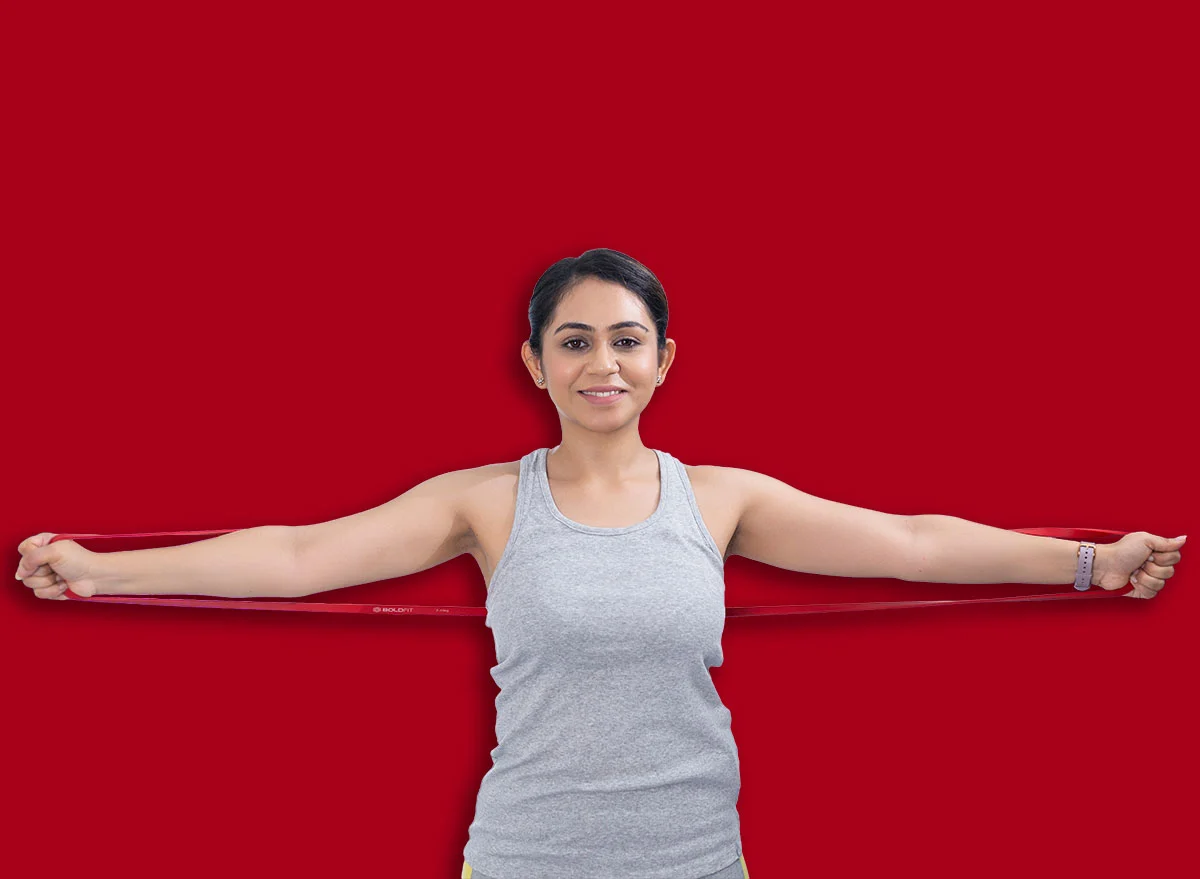
Resistance bands offer "accommodating resistance." Unlike gravity-based weights, the band gets harder the further you stretch it, which matches the natural strength curve of your pectoral muscles.
- How to perform: Anchor a resistance band to a sturdy pole or door at chest height. Stand facing away from the anchor point, holding the ends of the band in each hand. With a slight bend in your elbows, bring your hands together in a hugging motion in front of your chest. Pause for a second at the peak contraction, then slowly return to the starting position, resisting the pull of the band as you open your arms.
Implications for Longevity
Adopting this routine isn’t just about physical appearance; it is about building a "buffer" for the future. As we age, the importance of "functional reserve"—the ability to perform tasks beyond the requirements of daily life—becomes the primary metric of health.
Why These Exercises Matter
- Joint Preservation: By avoiding extreme ranges of motion and excessive heavy loading, you protect the connective tissues that become less resilient with age.
- Neuromuscular Coordination: Exercises like the dumbbell press improve balance and coordination, which are essential for preventing injuries in daily life.
- Metabolic Efficiency: Building muscle tissue increases your resting metabolic rate, helping to manage blood sugar levels and insulin sensitivity, which are critical markers for preventing type 2 diabetes.
Strategic Implementation
For the best results, aim for these movements 2 to 3 times per week. Allow at least 48 hours of recovery between sessions to ensure that the muscle fibers have time to repair and strengthen. Remember: you are training for the long haul. Consistency—not intensity—is the key to longevity.
Final Considerations for the Over-50 Athlete
Before starting any new exercise regimen, it is recommended to consult with a healthcare professional, especially if you have a history of heart conditions or orthopedic issues. Once you have the green light, listen to your body. There is a distinct difference between the "good" fatigue of a worked muscle and the "bad" pain of a joint under stress. If a movement causes sharp pain, stop immediately and adjust your form or range of motion.
The goal is to maintain your physical freedom. By incorporating these four exercises, you are taking a proactive step toward a stronger, more capable version of yourself. Whether you are doing them in your living room or at a local gym, the focus remains the same: steady progress, intentional movement, and the celebration of what your body can still achieve.
Adam Meyer, RHN, is a health writer and certified holistic nutritionist with a focus on sustainable, life-long fitness. For more tips on staying lean and strong, continue exploring our library of resources designed for the active adult.