











The landscape of modern respiratory care is evolving at an unprecedented pace. As the clinical demands on healthcare systems continue to grow, the professionals who specialize in cardiopulmonary health are stepping into the limelight, driving educational advancements, achieving national clinical milestones, and fostering community engagement.
Recent weeks have seen a surge in media recognition for members of the American Association for Respiratory Care (AARC). From students garnering prestigious memorial scholarships to hospital programs receiving national awards and innovative technology upgrades, these narratives serve as a testament to the vital role respiratory therapists (RTs) play in the continuum of care. This report explores these recent achievements, analyzing the broader implications for the profession and the communities these individuals serve.
Main Facts: A Mosaic of Professional Achievement
Across the United States, AARC members are making headlines for diverse contributions to the field. These stories highlight the breadth of the respiratory care profession, covering four distinct pillars of success: academic excellence, clinical recognition, technological investment, and community outreach.
1. The Legacy of Excellence: The Brad Leidich Memorial Scholarship
Marlena Pellon, an AARC student member, has been named the recipient of the 2025 Brad Leidich Memorial Scholarship. This recognition, featured in iBerkshires.com, honors students who demonstrate not only academic proficiency but a profound commitment to the respiratory care field. The scholarship serves as a bridge, supporting the next generation of practitioners as they transition from the classroom to the bedside.
2. Clinical Gold Standards: The Apex Award
At Robert Wood Johnson University Hospital, AARC members Rob Sigler, MBA, RRT, CPFT, FACHE, and Crystal Fey, BSRT, RRT, RRT-NPS, are celebrating a monumental achievement: the receipt of the AARC’s Apex Award. This honor is reserved for programs that demonstrate excellence in clinical practice, patient safety, and professional development.
3. Technological Advancement in Education
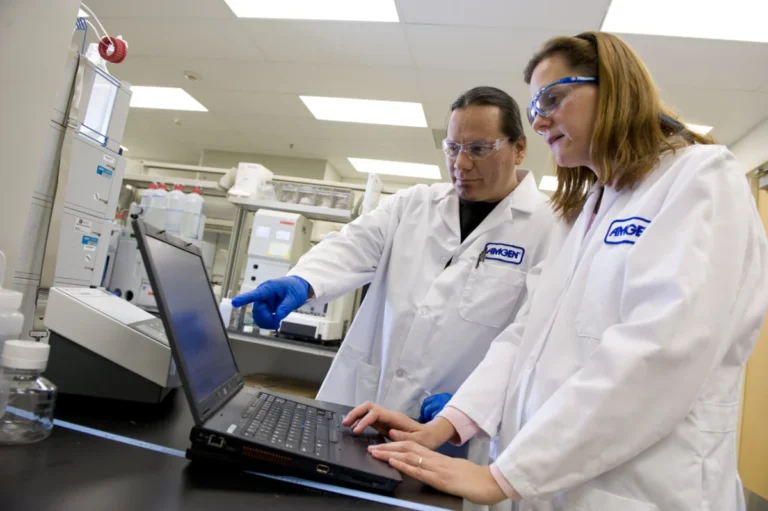
Education is the lifeblood of the respiratory profession. Randy Solly, MS, RRT, RPFT, AE-C, recently brought attention to the integration of advanced technology at the Gwynedd Mercy University (GMercyU) respiratory therapy program. As detailed in BucksCoToday, the program has acquired a state-of-the-art critical care mannequin, a tool designed to simulate high-stakes clinical scenarios, thereby bridging the gap between theoretical knowledge and real-world application.
4. Community Engagement and Advocacy
The future of the profession relies on recruitment and public awareness. Lisa Leib, RRT, RRT-NPS, is leading the charge in Florida, where she is promoting an open house for the Eastern Florida State College respiratory care program. As highlighted by Space Coast Daily, these initiatives are essential for demystifying the profession for prospective students and the local community.
5. Rehabilitation Excellence
Finally, Kelsey Guyan, CRT, was recently featured in the Huntingdon Daily News for her role in achieving official certification for the Fulton County Medical Center’s Cardiovascular and Pulmonary Rehabilitation Program. This certification, awarded by the American Association of Cardiovascular and Pulmonary Rehabilitation (AACVPR), underscores the high standards of care provided at the facility.
Chronology of Recognition: A Winter of Progress
The momentum of these achievements has been concentrated in the early weeks of 2026, signaling a strong start to the calendar year for respiratory professionals.
- January 2026: The year opened with a focus on clinical infrastructure and technological upgrades. The receipt of the Apex Award by the Robert Wood Johnson team and the introduction of advanced simulation technology at GMercyU set a high bar for excellence.
- February 2026: The focus shifted toward future-proofing the workforce and recognizing academic promise. The announcement of the Brad Leidich Memorial Scholarship recipient and the scheduling of college open houses reflect a proactive approach to the long-term sustainability of the respiratory care talent pipeline.
Supporting Data: Why These Achievements Matter
To understand the weight of these recognitions, one must consider the data behind them. The AARC Apex Award, for instance, is not merely a title; it requires a rigorous audit of clinical protocols, staff credentials, and patient outcome data. Hospitals that achieve this status often see a direct correlation in improved patient satisfaction scores and lower readmission rates for chronic respiratory conditions like COPD and asthma.
Similarly, the use of high-fidelity mannequins—as utilized by Randy Solly’s program—is backed by extensive educational research. Studies consistently show that simulation-based training increases learner confidence and competence by nearly 30% compared to traditional didactic learning. For students like Marlena Pellon, financial support through scholarships is statistically linked to higher completion rates in rigorous allied health programs, ensuring that the labor market remains adequately supplied with licensed practitioners.
Official Responses and Perspectives
The Educator’s View
Reflecting on the integration of the new critical care mannequin, Randy Solly noted that the goal is to create an environment where failure is a learning opportunity. "When a student makes a mistake on a mannequin, it is a teaching moment. When that same scenario occurs in the ICU, it is a patient safety risk. Our job is to move those ‘mistakes’ to the lab," Solly remarked.
The Clinical Leadership Perspective
Regarding the Apex Award, the team at Robert Wood Johnson University Hospital emphasized that the honor belongs to the entire department. "This isn’t just about individual awards; it is about the systemic culture of excellence we have cultivated," said Rob Sigler. Crystal Fey added, "Receiving this award validates the hard work of our RTs who are on the front lines every day, managing everything from neonatal care to complex adult ventilation."
Implications for the Future of Respiratory Care
The cumulative impact of these stories suggests a profession in transition. We are seeing a shift away from the traditional, siloed perception of the respiratory therapist toward a broader, more integrated model of care.
1. The Rise of the "Clinical Scientist"
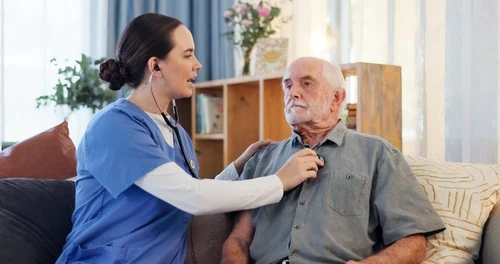
The use of advanced simulation and the push for AACVPR certification indicate that modern RTs are increasingly functioning as clinical scientists. They are no longer just "breathing experts"; they are data-driven practitioners who manage sophisticated equipment and participate in interdisciplinary rehabilitation teams.
2. Bridging the Recruitment Gap
The efforts of individuals like Lisa Leib to host open houses and the existence of scholarships like the Brad Leidich memorial are crucial. The healthcare industry faces a projected shortage of respiratory therapists over the next decade. By engaging the public and lowering the barrier to entry through financial support, the profession is taking control of its own growth trajectory.
3. Institutional Prestige and Patient Trust
When a hospital, such as the one in Huntingdon, Pennsylvania, achieves national certification, it sends a powerful message to the community. It builds trust, assuring patients that their care is held to the highest national standards. For the patients of the Fulton County Medical Center, the presence of skilled professionals like Kelsey Guyan ensures that their rehabilitation is evidence-based and effective.
Conclusion: A Profession in Motion
The stories of Marlena Pellon, Rob Sigler, Crystal Fey, Randy Solly, Lisa Leib, and Kelsey Guyan are more than just local news items; they are snapshots of a vibrant, essential, and rapidly evolving profession. By excelling in their respective roles—whether as a student, a department lead, an educator, or a clinical practitioner—these AARC members are elevating the standard of care for patients across the country.
As we move deeper into 2026, the success of these individuals will continue to serve as a roadmap for the rest of the industry. The combination of rigorous clinical standards, a commitment to technological literacy, and a passion for community outreach represents the ideal synthesis of what it means to be a respiratory therapist in the modern era. As these members continue to lead, the profession is not only meeting the challenges of today’s healthcare environment but is actively shaping the innovations of tomorrow.
For those interested in the future of respiratory care, these narratives offer a clear takeaway: the foundation of the profession is stronger than ever, supported by a workforce that is dedicated, educated, and recognized for its vital contribution to human health.
References and Further Reading:
- iBerkshires.com: BCC Respiratory Care Student Wins Brad Leidich Memorial Scholarship.
- RWJ Barnabas Health: Robert Wood Johnson University Hospital Respiratory Care Team Receives Apex Award.
- BucksCoToday: GMercyU Receives Critical Care Mannequin.
- Space Coast Daily: Eastern Florida State College Respiratory Care Program Open House.
- Huntingdon Daily News: FCMC Rehab Program Receives Certification.