







For decades, the bedrock of public health nutrition and physical activity guidelines has been the prevention of clinical deficiency. Whether it is the Recommended Dietary Allowance (RDA) for protein or the baseline activity minutes suggested by global health organizations, the prevailing narrative has focused on the "minimum viable dose" required to keep the human body from breaking down.
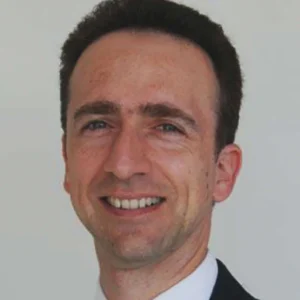
However, a provocative new paper published in Frontiers in Nutrition suggests that these baseline metrics are insufficient for the modern human experience. By focusing solely on avoiding disease, we may be inadvertently settling for a standard of living that falls well short of our biological potential. Dr. Chris Macdonald, a Fellow at Lucy Cavendish College, University of Cambridge, and Director of the Better Protein Institute, argues that it is time for a paradigm shift: we must move from "survival-based" health guidelines to a framework of "optimal longevity."
The Philosophy of "Optimal Health"
The fundamental argument put forth by Dr. Macdonald is that current public health advice is anchored in the wrong goal. "Public health advice often focuses on the minimum people need to avoid problems," Dr. Macdonald observes. "But many people want to know what they should do to remain strong, independent, and mentally sharp throughout life."
The paper serves as a critical review of the gap between clinical necessity and functional performance. It posits that the traditional approach—designed to keep the average sedentary adult from protein deficiency or cardiovascular collapse—does not provide a roadmap for the active individual, the aging adult, or the professional navigating a high-stress, sedentary career. Instead, it advocates for a proactive, evidence-based lifestyle that prioritizes the maintenance of lean muscle mass, cognitive reserve, and metabolic health.
Chronology of a Paradigm Shift: From Deficiency to Performance
The history of nutritional science is largely one of crisis management. In the mid-20th century, government guidelines were developed to combat malnutrition and prevent deficiencies that caused acute illness, such as scurvy or protein-energy malnutrition. These guidelines served their purpose well in a time of food scarcity.
However, the 21st century presents a different set of challenges: a global epidemic of metabolic syndrome, sarcopenia (age-related muscle loss), and cognitive decline. Over the last decade, research has increasingly diverged from the "minimums." Studies on protein kinetics have shown that the body’s requirement for amino acids is not a static number but a dynamic one, shifting based on activity levels, age, and metabolic stress.
In the realm of exercise, the shift has been equally profound. Where once doctors simply advised "getting moving," the current body of literature emphasizes the synergy between aerobic conditioning and resistance training. The realization that skeletal muscle acts as an "endocrine organ"—releasing myokines that regulate blood sugar and inflammation—has transformed exercise from a tool for weight management into a primary intervention for systemic health.
The Evidence: Why Current Guidelines Fall Short
The Protein Paradox
Current UK guidelines, much like those in the United States and across Europe, are largely predicated on preventing protein deficiency in the average sedentary individual. However, Dr. Macdonald’s review highlights that this baseline is inadequate for those who wish to maintain functional independence into their 80s and 90s.
The evidence presented in the paper suggests that:
- Sarcopenia Prevention: Higher protein intake is essential for counteracting the natural anabolic resistance that occurs with aging.
- Body Composition: Beyond mere muscle synthesis, higher protein consumption increases satiety and the thermic effect of food (TEF), naturally supporting healthy weight management.
- Inclusivity: A critical component of the paper is the debunking of the myth that high-protein diets are exclusive to omnivores. By citing the rise of elite vegan powerlifters and bodybuilders, the paper clarifies that "optimal protein" is a macronutrient requirement, not a moral or dietary identity, and can be achieved through diverse, plant-forward meal planning.
Exercise as a Tool for Longevity
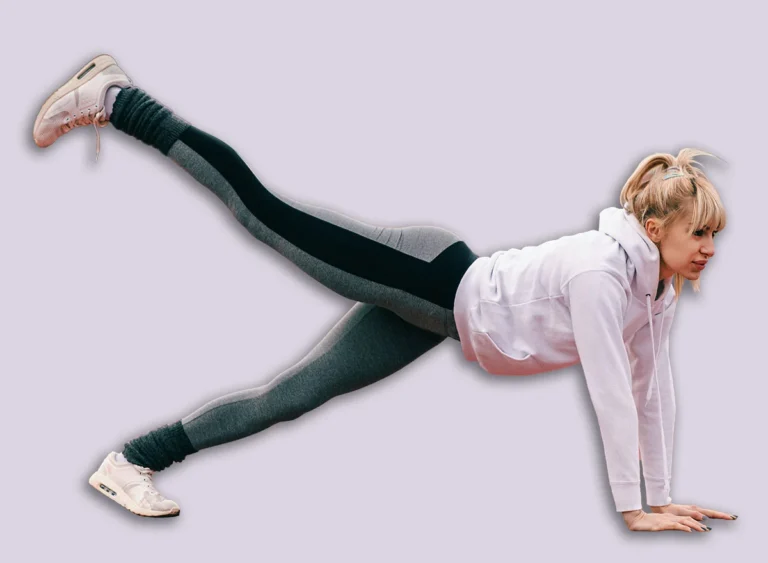
The review consolidates data showing that the combination of aerobic training (walking, running, swimming) and resistance training is the gold standard for "healthspan." While aerobic activity supports cardiovascular resilience, resistance training is the only effective defense against the loss of bone density and muscle mass—the two primary drivers of frailty.
"Physical activity should be viewed not only as a way to avoid disease," Dr. Macdonald writes, "but also as a tool for maintaining strength, mobility, and independence throughout life." The evidence indicates that those who engage in regular resistance training show significantly lower markers of all-cause mortality and higher scores on cognitive function tests compared to their sedentary peers.
Implications for Public Policy and Personal Practice
The implications of this research are twofold: they demand a change in how government agencies communicate health and a shift in how individuals perceive their own bodily potential.
Reforming Public Health Communication
Dr. Macdonald does not suggest discarding existing guidelines, which are vital for at-risk populations. Rather, he proposes a tiered system. If the baseline is "survival," then the next tier should be "optimal performance." Governments, he suggests, should provide clear, actionable data on how to leverage nutrition and movement to preserve physical and cognitive performance well into the later stages of life.
Challenging the Aesthetics Narrative
Perhaps the most significant barrier to public adoption of high-protein, high-intensity lifestyles is the cultural stigma surrounding them. Society has long associated gym-heavy, protein-rich lifestyles with "bodybuilding" or superficial vanity.
Dr. Macdonald challenges this narrow viewpoint directly. He argues that we must stop viewing muscle as an aesthetic accessory and start viewing it as a "longevity insurance policy."
"It is less about having ‘abs’ and a ‘beach body’ and more about being able to lift up, play with, and even remember your grandchildren," he notes. The frailty that we often view as the "inevitable" byproduct of aging—the hunched posture, the slow gait, the cognitive fog—is, in many cases, not a biological necessity but a symptom of a chronically under-stimulated lifestyle.
The Human Cost of Normalizing Frailty
The most compelling aspect of the paper is its moral plea. By normalizing the decline of the elderly, we accept a level of suffering that is largely preventable. If we continue to treat "health" as the absence of illness, we will continue to oversee a society that is technically "alive" but increasingly unable to function independently.
The paper calls for a societal awakening. By empowering the general population to engage in higher-intensity exercise and adopt more robust nutritional strategies, we can reduce the massive burden of chronic disease. The cost of this shift is time and intentionality; the reward is a radical reduction in the dependency and suffering that currently define the final decades of life for millions.
Conclusion: A New Standard for the Future
The research published in Frontiers in Nutrition provides a bridge between the high-performance world of professional athletics and the everyday lives of the general population. It suggests that the tools used by athletes to build strength and resilience are the same tools that, when applied with consistency, can offer the general public a longer, more vibrant "healthspan."
As we look toward a future with a rapidly aging global population, the question is no longer "How much protein do I need to survive?" but "How much strength do I need to live well?" The answer, according to Dr. Macdonald, is likely higher than we have been told. By reclaiming our physical and nutritional autonomy, we move away from the inevitability of decay and toward a future where our later years are defined not by what we have lost, but by what we are still capable of doing.