


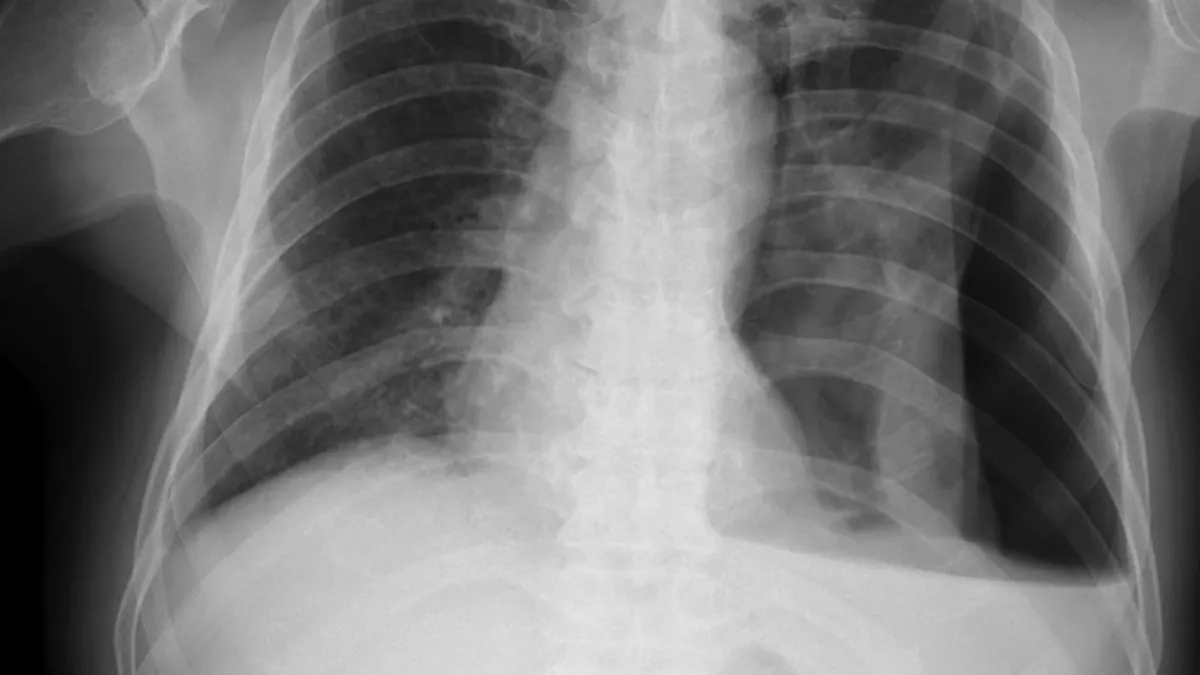
In a significant leap forward for clinical diagnostics, medical AI leader Aidoc has announced that it has received the U.S. Food and Drug Administration’s (FDA) "Breakthrough Device" designation for its latest artificial intelligence innovation. The technology, designed to analyze chest X-rays and automatically generate preliminary clinical reports covering over 100 distinct findings, represents a major shift in how diagnostic imaging may be processed in the future.
This development arrives at a pivotal moment for the healthcare industry, which is grappling with physician burnout and a mounting volume of medical imagery. As Aidoc integrates more sophisticated models into clinical workflows, the medical community is closely watching how these generative tools will interact with existing standards of care.
Main Facts: A New Frontier in Diagnostic AI
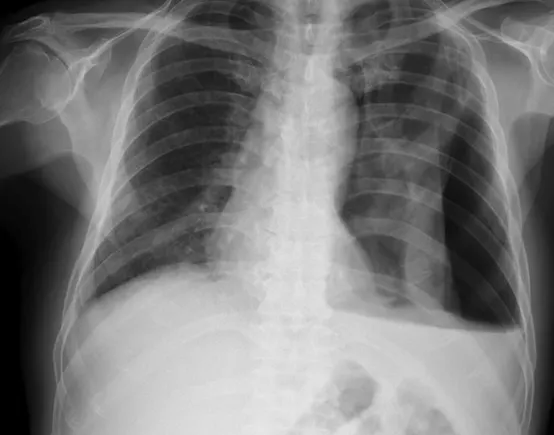
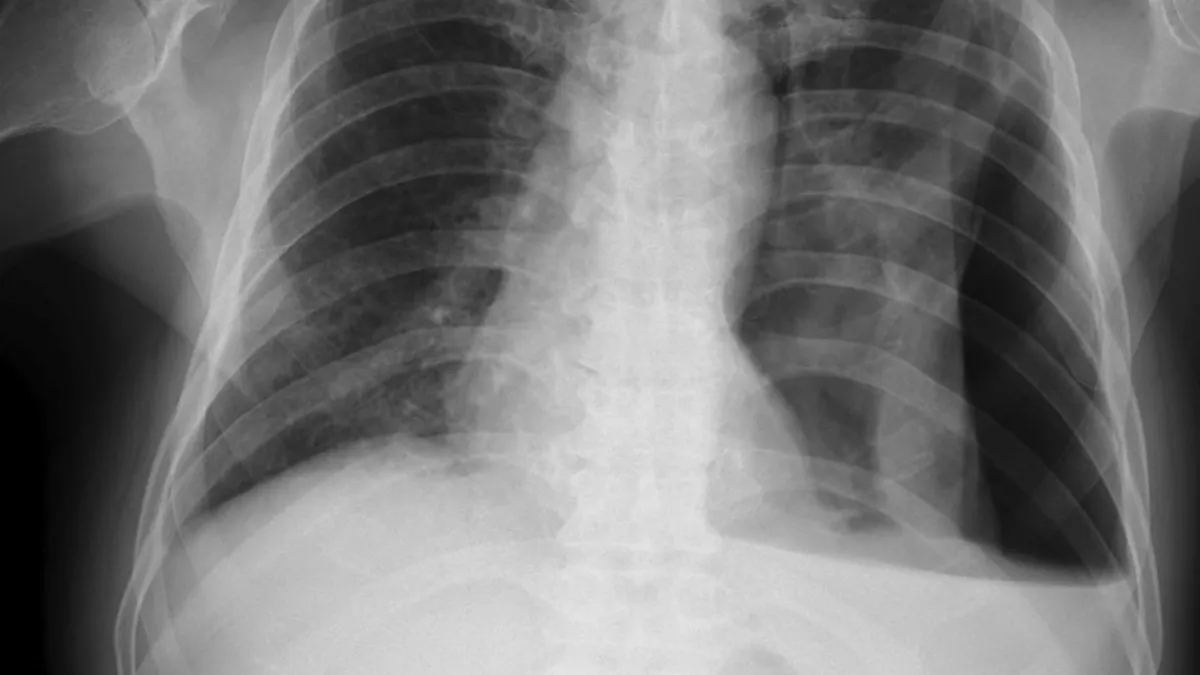
The core of Aidoc’s new initiative is an AI-powered diagnostic assistant capable of reviewing chest X-rays—a staple of hospital diagnostics—and producing a preliminary report. Unlike previous iterations of AI in radiology that focused primarily on triage (flagging urgent cases for human review), this technology aims to assist in the drafting of the actual diagnostic report.
By identifying over 100 different clinical findings, the tool aims to reduce the administrative burden on radiologists, allowing them to verify AI-generated drafts rather than starting from a blank page. The software is built upon the architecture successfully employed in Aidoc’s existing CT scan triage products, but it represents a strategic departure by shifting from "triage" to "content generation."
Chronology of Development
The trajectory of Aidoc’s rise and the integration of generative AI into clinical settings can be traced through several key milestones:
- Early Foundation: Aidoc established itself as a leader in "always-on" AI, providing triage and prioritization solutions to hospitals globally.
- April 2026: The company successfully secured $150 million in fresh financing. This capital was earmarked specifically for the advancement of foundational AI models, signaling a pivot toward more complex, generative clinical applications.
- June 2026: The FDA officially granted Breakthrough Device designation to Aidoc’s chest X-ray reporting tool.
- Present Day: The company reports that its current suite of tools is utilized in more than 2,000 hospitals worldwide, providing a robust testing ground for the new reporting feature as it moves through regulatory stages.
Supporting Data: The Scale of the Challenge
The demand for such technology is driven by an unprecedented volume of diagnostic data. Hospitals generate millions of X-rays annually, and the manual reporting of these images is a time-intensive process that contributes significantly to radiologist fatigue.
- Global Reach: Aidoc’s footprint in over 2,000 hospitals provides a massive data ecosystem that allows for the continuous refinement of its algorithms.
- Complexity of Findings: The target of 100+ findings per report indicates a shift toward "comprehensive reporting." This scale of analysis is intended to provide a standardized baseline for physicians, ensuring that common pathologies are never overlooked during high-volume shifts.
- Financial Backing: The $150 million funding round in April underscores investor confidence in the scalability of "clinical foundation models"—AI systems that are trained on vast datasets to perform a wide variety of tasks rather than just a single, isolated function.
Official Responses and Regulatory Context
The FDA’s "Breakthrough Device" designation is more than a stamp of approval; it is a collaborative pathway. According to the FDA, this program is intended to prioritize devices that provide "more effective treatment or diagnosis of life-threatening or irreversibly debilitating human diseases."
The Regulatory Balancing Act
The regulatory landscape remains fluid. While the FDA has been proactive in engaging with industry leaders, it has yet to codify a comprehensive framework for generative AI in medical devices. To date, the agency has:

- Hosted two high-level advisory panels to discuss the risks and benefits of generative AI in healthcare.
- Issued draft guidance in early 2025 focusing on transparency, the mitigation of algorithmic bias, and robust post-market monitoring.
"The industry is moving faster than the regulation," says one industry analyst. "However, the FDA’s willingness to grant breakthrough status indicates that they recognize the potential for these tools to alleviate the extreme workforce shortages currently plaguing radiology departments."
Implications: The Future of Clinical Workflow
The introduction of Aidoc’s technology signals a broader trend in health-tech: the transition from "AI as a tool" to "AI as a collaborator."
1. Augmentation vs. Automation
The distinction between Aidoc’s triage tools and this new reporting tool is critical. While triage tools alert a doctor to a potential stroke or hemorrhage, the reporting tool acts as a "second set of eyes" that summarizes findings. This shift from simple alerts to descriptive reporting is the next logical step in clinical AI.
2. The Rise of "UpDoc" and Similar Platforms
The competitive landscape is heating up. Recently, UpDoc received FDA clearance for a platform utilizing large language models (LLMs) to facilitate real-time patient care coordination. This platform integrates directly with Electronic Health Records (EHRs) to adjust treatments—such as insulin dosing—based on patient data. This suggests that the medical device industry is standardizing around generative AI as a primary interface for both physician and patient-facing workflows.

3. Addressing Radiologist Burnout
With the shortage of specialized physicians globally, the ability of AI to draft reports could prove to be the most impactful use case for the technology. By offloading the initial drafting phase to an AI, radiologists can shift their focus toward complex diagnostics and direct patient interaction, potentially reducing the cognitive load that leads to diagnostic errors.
4. Transparency and Bias
As these models become more common, the focus will inevitably shift to transparency. How does the AI decide which findings to report? How does it handle ambiguous cases? The FDA’s upcoming final guidance on AI transparency will be the primary filter through which these technologies must pass before they become a standard feature in hospital systems.
Conclusion
The path forward for Aidoc, and for the field of medical AI at large, is marked by both immense promise and significant regulatory scrutiny. The Breakthrough Device designation for their chest X-ray reporting tool highlights the FDA’s recognition of the critical need for efficiency in diagnostic imaging.
As hospitals continue to integrate these tools, the focus must remain on the "human-in-the-loop" model. The goal is not to replace the radiologist, but to provide them with a high-fidelity draft that elevates the standard of care. With $150 million in recent funding and a presence in 2,000 hospitals, Aidoc is uniquely positioned to define the parameters of this new era. However, as the industry waits for the FDA to finalize its 2025 guidance, the ultimate success of these AI systems will depend on their ability to prove accuracy, maintain security, and—above all—earn the trust of the clinicians who use them daily.
The coming months will likely see additional clinical validation studies as Aidoc works to move this feature from "breakthrough status" to full commercial clearance, marking a new chapter in the ongoing digital transformation of medicine.