Executive Summary: A Paradigm Shift in Wound Care
An international research team led by Nanyang Technological University, Singapore (NTU Singapore), has unveiled a revolutionary approach to treating chronic wounds—a condition that affects millions globally and frequently leads to devastating outcomes like amputation. By identifying a specific metabolic mechanism used by the bacterium Enterococcus faecalis (E. faecalis) to sabotage human skin repair, researchers have bypassed the need for traditional antibiotics, proposing instead a strategy that neutralizes the "weaponized" metabolic byproducts of the bacteria.
This study, published in the prestigious journal Science Advances, represents a major shift in clinical thinking. By focusing on how bacterial metabolism creates a hostile environment for skin cells, rather than attempting to eradicate the bacteria entirely, scientists have opened the door to a new generation of therapeutic wound dressings that could significantly improve the quality of life for patients with diabetes and other chronic health conditions.
The Silent Epidemic: Understanding Chronic Wounds
Chronic wounds are not merely skin injuries; they are a profound, often invisible, public health crisis. Unlike acute wounds—such as a simple cut or scrape—which follow a predictable healing trajectory, chronic wounds fail to progress through the normal stages of repair. They remain "stuck" in an inflammatory state, leaving patients vulnerable to persistent infection, pain, and, in severe cases, the loss of limbs.
The Global Burden
The scale of this problem is staggering. According to clinical data, approximately 18.6 million people worldwide suffer from diabetic foot ulcers (DFUs) annually. For individuals living with diabetes, the lifetime risk of developing a foot ulcer is as high as one in three. In the context of an aging global population, the prevalence of these wounds is projected to rise, placing an immense strain on healthcare systems.
In Singapore alone, more than 16,000 cases of chronic wounds—including diabetic foot ulcers, pressure injuries, and venous leg ulcers—are reported each year. These injuries disproportionately affect the elderly and those with metabolic disorders, creating a cycle of morbidity that can last for years.
The Discovery: Unmasking E. faecalis
For decades, clinicians have known that the presence of bacteria in a wound delays healing. However, the exact biological "sabotage" mechanism has remained an enigma. The collaboration between NTU Singapore and the University of Geneva has finally provided a clear, evidence-based answer.
The Role of E. faecalis
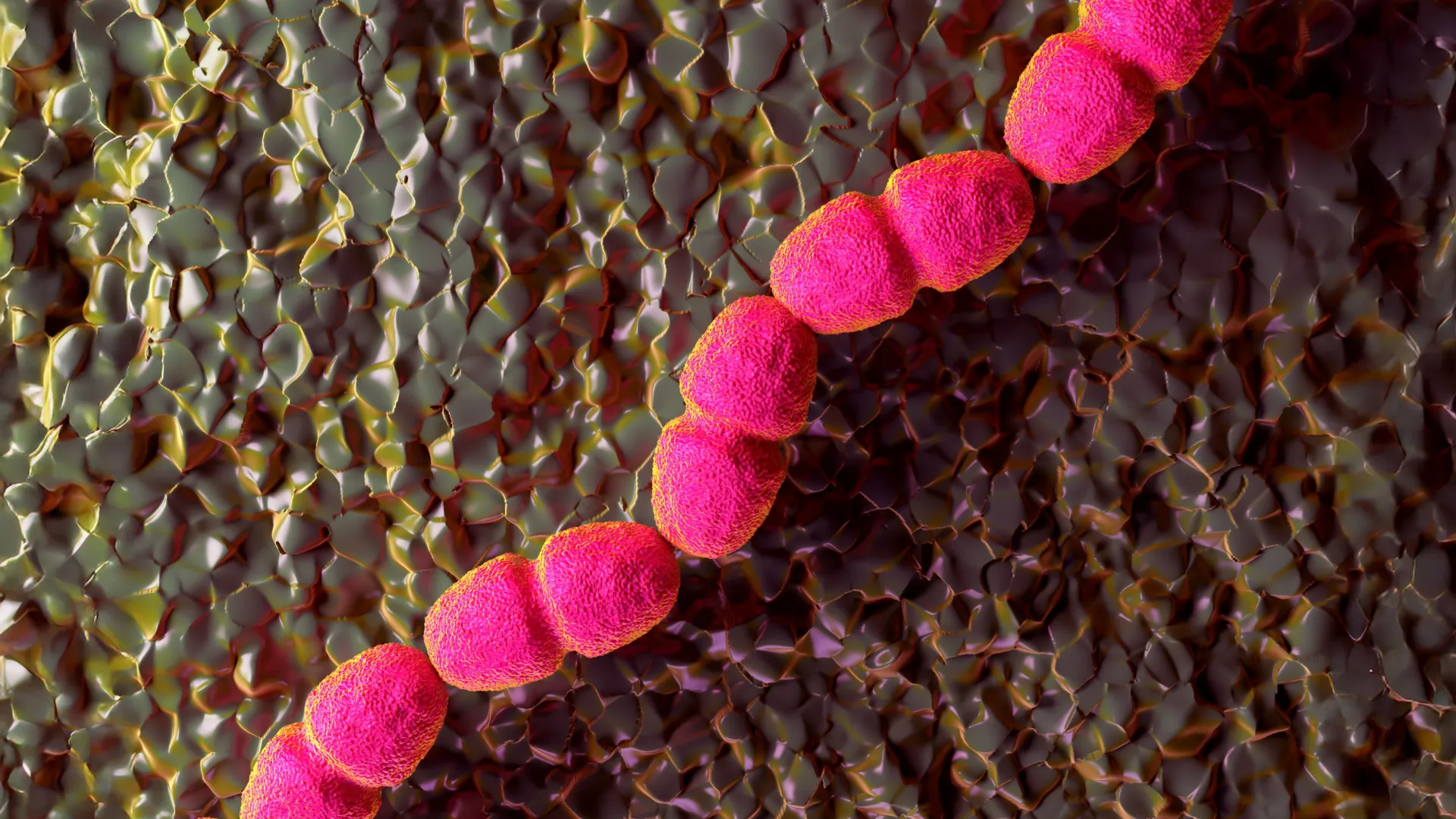
Enterococcus faecalis is an opportunistic pathogen frequently found in the microenvironment of chronic wounds. It is notoriously resilient, often exhibiting resistance to a wide array of commonly used antibiotics. As antibiotic resistance continues to climb globally, the presence of these "superbug" strains in wounds has become a primary driver of treatment failure and subsequent amputations.
The Mechanism of Disruption
The researchers discovered that E. faecalis does not simply rely on toxins to harm the body. Instead, it utilizes a metabolic process known as extracellular electron transport (EET). Through this pathway, the bacteria continuously produce hydrogen peroxide.
While hydrogen peroxide is sometimes used as a topical antiseptic, its constant, uncontrolled production by bacteria within a wound creates a state of severe oxidative stress for the host’s skin cells. When human keratinocytes—the cells responsible for skin repair—are exposed to this high-stress environment, they activate a defensive biological mechanism called the "unfolded protein response" (UPR).
Under normal circumstances, the UPR is a survival strategy; it slows down cellular protein production to prevent damage. However, in the context of a chronic wound, the UPR is "hijacked." It essentially paralyzes the skin cells, preventing them from migrating to the wound site to close the injury. The wound stays open, the bacteria continue to thrive, and the patient remains trapped in a loop of stalled healing.
Chronology of the Study
The research journey spanned several years, combining advanced microbiological modeling with human cell studies:
- Initial Observation: Researchers noted that certain chronic wounds containing E. faecalis exhibited a distinct pattern of cellular inactivity in keratinocytes, regardless of the bacterial load.
- Identifying the Metabolic Pathway: Using genetic screening, the team identified the EET pathway as the culprit. They confirmed this by creating a genetically modified strain of E. faecalis lacking this pathway. When tested, this modified strain failed to produce excess hydrogen peroxide and, crucially, stopped inhibiting wound healing in laboratory models.
- The Intervention Trial: The team introduced catalase—a naturally occurring antioxidant enzyme—to stressed skin cells. Catalase successfully broke down the hydrogen peroxide generated by the bacteria.
- Verification of Recovery: Once the hydrogen peroxide was neutralized, the skin cells shed their UPR-induced "paralysis" and resumed normal migration patterns, effectively closing the wound in the controlled environment.
Official Perspectives and Expert Insight
The research was spearheaded by NTU Associate Professor Guillaume Thibault of the School of Biological Sciences, and Professor Kimberly Kline from the University of Geneva (also a visiting professor at the Singapore Centre for Environmental Life Sciences and Engineering at NTU).
"Our findings show that the bacteria’s metabolism itself is the weapon, which was a surprise finding previously unknown to scientists," said Assoc Prof Thibault. "Instead of focusing on killing the bacteria with antibiotics, which is becoming increasingly difficult and leads to future antibiotic resistance, we can now neutralize it by blocking the harmful products it generates and restoring wound healing."
The implications of this statement are profound. By shifting the clinical focus from "bacterial eradication" to "metabolic management," the team provides a blueprint for therapies that are less susceptible to the evolutionary pressure that causes antibiotic resistance.
Implications for Clinical Practice
The transition from laboratory success to clinical application is the next critical hurdle. However, the researchers are optimistic about the timeline.
Future Therapeutic Strategies
The primary takeaway is the potential for "smart" wound dressings. Rather than simply covering a wound, future dressings could be infused with catalase or other antioxidants designed to neutralize hydrogen peroxide in real-time. Because catalase is already a well-understood enzyme, the regulatory pathway for its inclusion in medical products is significantly shorter than the development of a novel antibiotic drug.
Beyond Antibiotics
This study provides a roadmap for "anti-virulence" or "metabolic-targeting" therapies. By focusing on the consequences of bacterial presence—specifically the oxidative stress—clinicians can stabilize a wound enough for the body’s natural immune system and repair mechanisms to take over. This is particularly vital for diabetic patients, whose natural healing processes are already compromised.
Supporting Data and Future Directions
The strength of the study lies in its direct relevance to human physiology. By using human keratinocytes to demonstrate the UPR-induced paralysis, the team proved that the effect is not merely an artifact of animal testing but a fundamental interaction between human biology and bacterial metabolism.
Moving to Clinical Trials
The team is currently working on the most effective delivery methods for these antioxidants. While laboratory results in animal models have been promising, the transition to human clinical trials remains the gold standard for validation. The researchers are currently refining the delivery systems to ensure that the antioxidants can remain stable and effective within the unique, moisture-rich environment of a chronic wound.
Conclusion: A New Era of Wound Care
The discovery that bacterial metabolism acts as a direct inhibitor of human tissue repair is a watershed moment in wound biology. By moving away from the "kill-all-bacteria" approach and embracing a strategy that restores the physiological balance of the wound site, researchers have provided a glimmer of hope to millions. If successful in clinical trials, this antioxidant-based approach could turn the tide against the silent epidemic of chronic, non-healing wounds, ultimately reducing the incidence of life-altering amputations and improving long-term outcomes for patients with chronic illnesses worldwide.
As we look toward the future, the integration of metabolic science into wound care suggests a more nuanced, effective, and sustainable approach to one of the most stubborn challenges in modern medicine.