








In a landmark study that challenges the conventional wisdom regarding “moderate” drinking, researchers have unveiled a sobering reality for public health in India: there appears to be no safe threshold for alcohol consumption when it comes to the risk of buccal mucosa cancer. Published in the open-access journal BMJ Global Health, the comprehensive study reveals that even minimal daily alcohol intake is tied to a significant escalation in cancer risk, with the dangers compounded exponentially when combined with the widespread use of chewing tobacco.
As India grapples with a rising tide of oral malignancies, these findings offer a stark warning: the synergy between unregulated local alcohol production and traditional tobacco use may be the primary engine driving one of the country’s most lethal public health crises.
The Magnitude of the Threat: A Statistical Overview
Mouth cancer has firmly established itself as the second most common malignancy in India, casting a long shadow over the nation’s healthcare system. Current estimates are staggering, with approximately 143,759 new diagnoses and 79,979 deaths recorded annually. The incidence rate—now hovering just below 15 cases per 100,000 men—is on a steady, worrying trajectory upward.
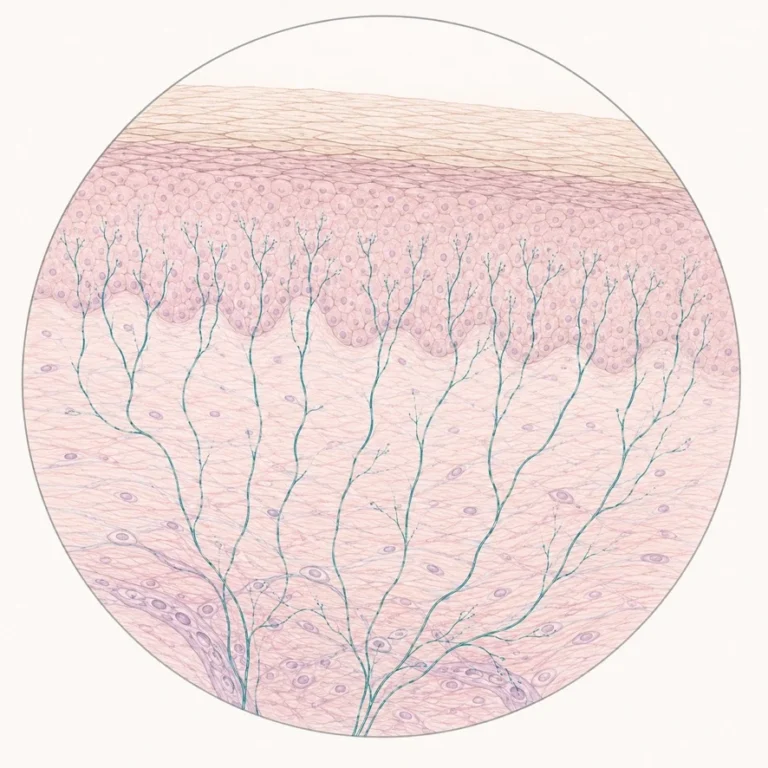
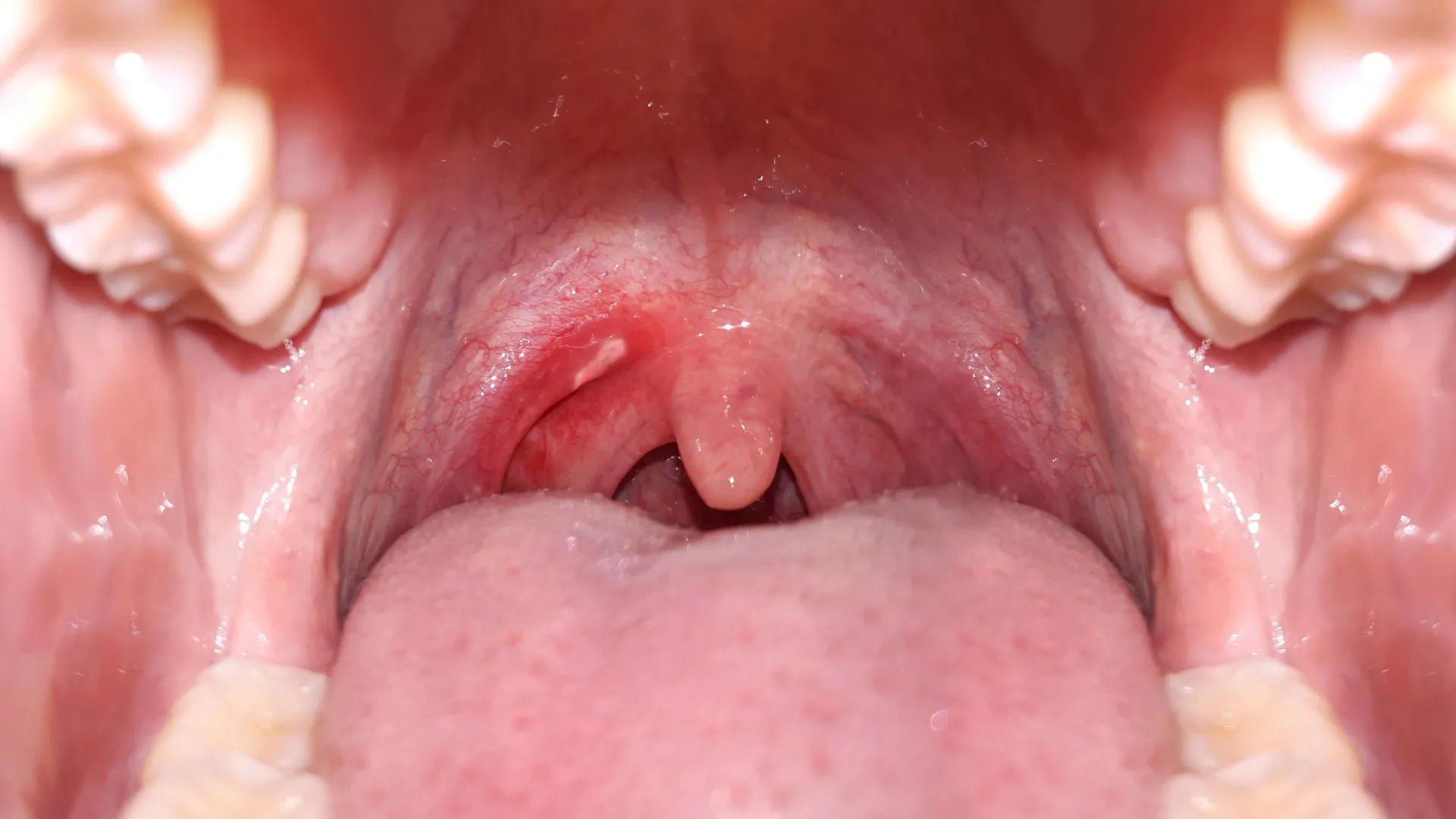
The most prevalent form of this disease targets the buccal mucosa, the soft, sensitive tissue lining the inner cheeks and lips. The clinical outlook for patients is grim; the five-year survival rate remains stubbornly low at 43%, reflecting the late stage at which many patients are diagnosed and the aggressive nature of the disease.
The study, which analyzed data from 2010 to 2021, involved 1,803 patients diagnosed with buccal mucosa cancer and 1,903 control participants. The demographic profile of the victims underscores the severity of the issue: nearly 46% of all cancer cases identified in the study occurred in individuals aged 25 to 45, effectively striking at the most productive years of the population’s life.
A Chronology of Research and Discovery
The effort to untangle the complex relationship between alcohol and tobacco began with a rigorous, decade-long observational approach. By recruiting participants from five distinct study centers across India, researchers sought to isolate variables that have historically been difficult to distinguish due to the cultural prevalence of dual-use.
2010–2021: Data Collection and Methodology
The study was designed to capture a nuanced picture of consumption habits. Participants were queried on their history of alcohol use—ranging from duration and frequency to the specific type of beverage consumed. The researchers accounted for 11 internationally recognized alcoholic drinks, such as beer, whisky, and rum, as well as 30 distinct locally brewed varieties, including apong, bangla, chulli, desi daru, and mahua.
The Findings: The Alcohol-Tobacco Interaction
The data revealed a clear correlation between substance exposure and disease onset. On average, cancer patients had been using tobacco for approximately 21 years, compared to 18 years for the control group. Furthermore, the cancer cohort consumed higher daily quantities of alcohol—roughly 37 grams compared to 29 grams among controls.
Perhaps most critically, the researchers established that the interaction between these substances is not merely additive; it is multiplicative. When alcohol and tobacco are used in tandem, the risk of developing buccal mucosa cancer increases more than fourfold. Calculations suggest that this specific, lethal combination is responsible for 62% of all buccal mucosa cancer cases across the country.
Breaking Down the Risks: Why Locally Brewed Alcohol Matters
One of the most significant revelations of the study is the elevated risk profile associated with locally brewed, often unregulated, alcoholic beverages. While internationally recognized brands are associated with a 72% increase in risk, the consumption of locally produced liquor is linked to an 87% increase.
The Problem of Regulation and Purity
The disparity in risk levels is largely attributed to the lack of quality control in the informal alcohol market. Unlike mass-produced spirits, locally brewed options are often produced in environments lacking oversight, leading to contamination with toxic byproducts such as methanol and acetaldehyde. Some samples analyzed by researchers contained alcohol concentrations as high as 90%, a factor that significantly increases the caustic effect on the oral mucosa.
The legal landscape in India further complicates this issue. While the Indian Constitution grants states the authority to regulate alcohol production and distribution, the informal, locally-brewed market remains largely outside the scope of effective enforcement. This “shadow” market operates in rural and urban fringes alike, often providing a cheaper, albeit significantly more dangerous, alternative for the lower-income population.
The Biological Mechanism: Why Alcohol Increases Vulnerability
The study offers a compelling hypothesis regarding why alcohol acts as a catalyst for cancer even in the absence of heavy drinking. The researchers suggest that ethanol acts as a solvent that alters the lipid composition of the mouth’s inner lining.
By breaking down the protective fat barriers of the buccal mucosa, ethanol increases the tissue’s permeability. This degradation makes the lining significantly more susceptible to the penetration of chemical carcinogens found in chewing tobacco. Essentially, alcohol acts as a chemical "gateway," priming the mouth tissues to absorb toxins that would otherwise be partially repelled or neutralized. This process occurs independently of the duration of tobacco use, explaining why even relatively short-term combined use can lead to catastrophic cellular damage.
The “No Safe Limit” Paradigm
Perhaps the most disruptive finding of the study is the debunking of the “safe intake” theory. The data indicates that even consuming less than 2 grams of beer per day is statistically linked to an increased risk of cancer. When daily consumption hits 9 grams—roughly the equivalent of one standard drink—the risk of developing buccal mucosa cancer jumps by 50%.
This suggests that current public health messaging, which often focuses on the dangers of "excessive" or "binge" drinking, may be missing the mark. For a population already heavily exposed to tobacco, even minor, daily alcohol consumption provides a consistent, cumulative provocation that drives the malignant transformation of oral cells.
Public Health Implications: A Call to Action
The authors of the study do not mince words regarding the necessary response. They argue that the current trajectory of mouth cancer in India is not inevitable, but rather a byproduct of current consumption patterns and regulatory gaps.
Eliminating the Burden
"Our findings suggest that public health action towards prevention of alcohol and tobacco use could largely eliminate [buccal mucosa cancer] from India," the researchers conclude. This implies a paradigm shift in policy:
- Stricter Regulation of Local Brews: Bringing the informal alcohol market under a unified, enforced regulatory framework to mitigate contamination with toxic chemicals.
- Integrated Cessation Programs: Because alcohol and tobacco use are so inextricably linked, public health campaigns must address them as a singular, combined behavior rather than separate issues.
- Targeted Interventions in High-Risk States: In regions such as Meghalaya, Assam, and Madhya Pradesh, where alcohol-attributed cancer cases account for up to 14% of the total, specialized health resources and screening programs are urgently needed.
Moving Beyond the Individual
The study highlights that individual choice is constrained by the widespread availability and cultural normalization of these substances. To successfully lower the incidence of mouth cancer, the Indian government must address the supply-side economics of locally brewed alcohol and the aggressive, often informal, distribution of tobacco products.
Conclusion
The BMJ Global Health study provides an urgent wake-up call. By identifying that even low-level alcohol consumption serves as a significant, independent, and multiplicative risk factor for mouth cancer, it challenges the medical community to refine its guidance to the public. As India continues to face the mounting human and economic costs of this disease, the evidence suggests that the path to prevention is clear: a radical reduction in the combined use of alcohol and tobacco is not just a health recommendation—it is a national imperative.
With 11.5% of all buccal mucosa cancer cases across India directly attributable to alcohol, the opportunity for intervention is massive. If the country can successfully pivot toward more stringent control and greater public awareness of the synergistic dangers of these substances, it may finally begin to curb one of its most persistent and preventable health crises.