As we navigate the golden years, maintaining muscle mass becomes more than an aesthetic pursuit—it is a cornerstone of functional longevity. Many individuals over 55 express concern about "arm jiggle," a common shorthand for the loss of skin elasticity and muscle tone around the triceps. However, the secret to stronger, firmer arms does not lie in thousands of isolated bicep curls. Instead, the most effective approach is a holistic, compound-movement strategy that integrates the shoulders, chest, upper back, and core.
This guide outlines a research-backed, trainer-approved protocol designed to build a foundation of strength that translates into better posture, increased functional independence, and a more athletic physique.
The Philosophy of Compound Strength
Why "Big Movements" Rule the Routine
In the world of professional fitness coaching, the hierarchy of exercise selection is clear: we prioritize compound movements—exercises that involve multiple joints and muscle groups—before moving into isolation work. This is not merely a preference; it is a physiological necessity.
When you perform a push-up or a row, you are teaching your nervous system to coordinate multiple muscle groups simultaneously. A push-up variation, for example, forces the triceps to work in concert with the pectorals and the anterior deltoids, while the core acts as a stabilizer. By training these systems together, you create a stronger total-body foundation. Once this foundation is established, direct arm work (like curls or extensions) acts as the "finishing touch" to enhance definition and targeted strength.
The Science of Full-Body Integration
Research suggests that a full-body approach to resistance training is significantly more sustainable for home-based practitioners. By focusing on multi-joint movements, you increase your metabolic output, improve bone density, and enhance structural balance. A simple, minimalist home gym—comprised of light dumbbells, a resistance band, and your own body weight—is all that is required to achieve professional-grade results. The objective is not to lift the heaviest weight in the room, but to utilize controlled, purposeful repetitions that demand effort in the final stages of every set.
Chronology of an Effective Home Routine
To maximize results, order matters. We begin with compound movements that require the most neurological and physical energy, then progress toward focused isolation exercises to flush the target muscles with blood and metabolic stress.
1. Close-Grip Incline Push-Up
The close-grip incline push-up is the ultimate foundational movement for the upper body. By elevating your hands on a sturdy table, counter, or wall, you reduce the load on your joints while maintaining the mechanical tension necessary for growth.
- Why it works: By narrowing your hand placement, you force the triceps to assume a greater share of the workload. Simultaneously, the incline position allows for a full range of motion while maintaining core engagement.
- Execution: Place your hands on an elevated surface slightly narrower than shoulder-width. Keep your body in a straight line from your heels to your head. Lower your chest slowly toward the surface, keeping your elbows tucked close to your ribs, then push back to the starting position.
- Protocol: 3 sets of 8–12 reps. Rest for 45–60 seconds between sets.
2. Dumbbell Bent-Over Row
The back is often the most neglected area when it comes to arm aesthetics. A strong back provides the "anchor" for your arms, contributing to better posture and preventing the rounded-shoulder look that often accompanies aging.
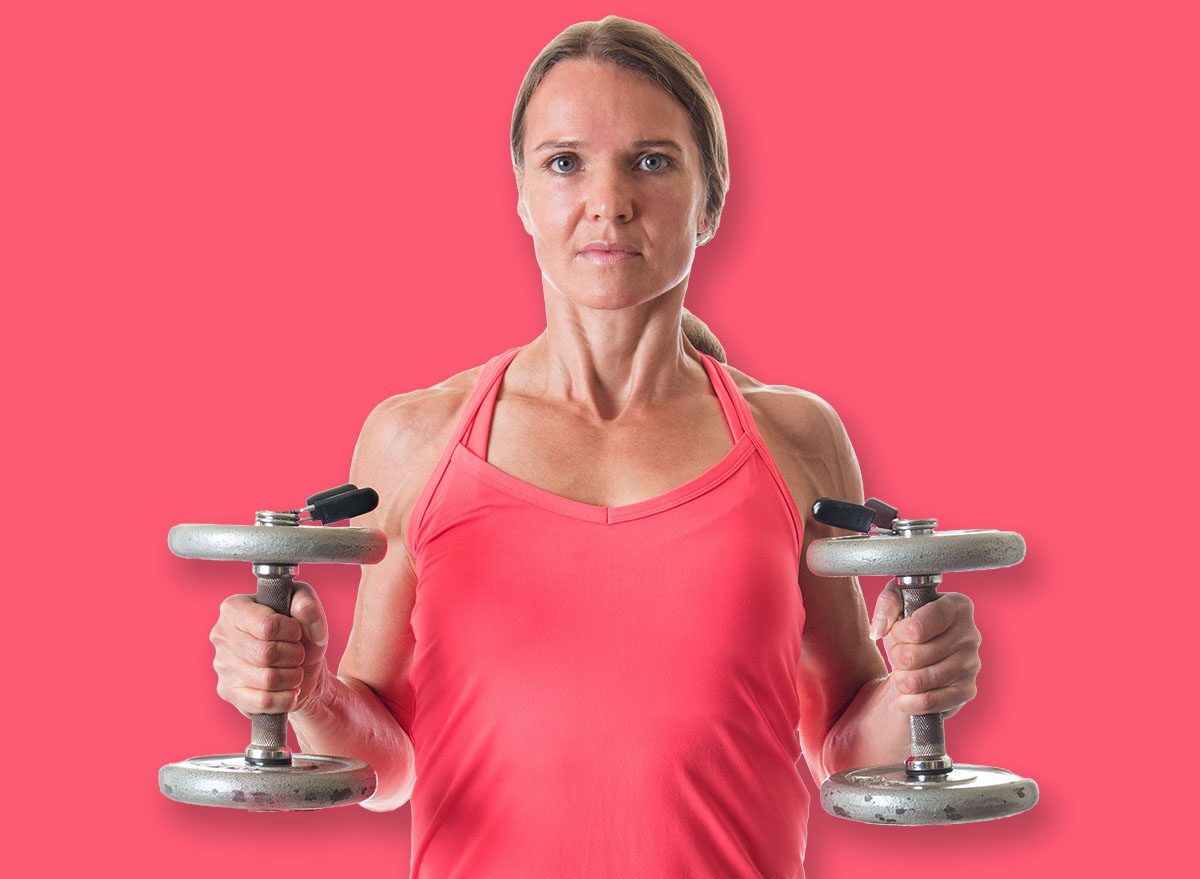
- Why it works: This movement engages the lats, rhomboids, and rear deltoids, while the biceps act as the primary movers for the pulling action. It is a full-chain exercise that builds the posterior muscles of the upper body.
- Execution: Hinge forward at the hips with a slight bend in your knees. Keep your back flat. With a dumbbell in each hand, pull your elbows back toward your hips, squeezing your shoulder blades together at the top. Lower the weights with control.
- Protocol: 3 sets of 8–12 reps. Rest for 45–60 seconds.
3. Standing Dumbbell Shoulder Press
The shoulder press is the "architect" of the upper body, providing the width and structural support that defines an athletic silhouette.
- Why it works: Standing while pressing overhead forces your core to work overtime to stabilize your spine. It also requires the triceps to assist in the lockout phase of the movement.
- Execution: Stand tall with your feet hip-width apart. Start with the dumbbells at shoulder height, palms facing forward. Press the weights directly upward until your arms are fully extended, then lower them slowly back to the starting position. Avoid arching your lower back.
- Protocol: 3 sets of 8–10 reps. Rest for 45–60 seconds.
4. Band Triceps Pressdown
Once the compound movements have exhausted the larger muscle groups, we turn to the band pressdown to isolate the triceps.
- Why it works: Resistance bands provide constant tension throughout the entire movement, ensuring that the triceps are under load even at the bottom of the movement.
- Execution: Secure a resistance band to a high anchor point. Grasp the band with both hands, keeping your elbows locked into your sides. Press your hands down toward your thighs, squeezing the back of your arms, then return slowly to the starting position.
- Protocol: 3 sets of 12–15 reps. Rest for 30–45 seconds.
5. Dumbbell Hammer Curl
The hammer curl is a safer, more effective variation of the standard bicep curl, as the neutral grip (palms facing each other) reduces strain on the wrists and elbows.
- Why it works: This targets the brachialis and the brachioradialis (the forearm), creating a "thicker" arm appearance and improving grip strength.
- Execution: Stand tall with dumbbells at your sides, palms facing your thighs. Keeping your elbows glued to your ribs, curl the weights up toward your shoulders without rotating your wrists. Lower the weights slowly.
- Protocol: 3 sets of 10–12 reps. Rest for 30–45 seconds.
Supporting Data and Physiological Implications
The importance of this routine extends far beyond aesthetics. According to data from the National Center for Biotechnology Information (NCBI), resistance training in individuals over 55 is the primary intervention for mitigating sarcopenia—the age-related loss of muscle mass and function.
Why Consistency Trumps Intensity
The most common mistake among seniors is the "all or nothing" approach. Fitness is not a sprint; it is a lifelong habit. By utilizing a routine that emphasizes controlled tempo—taking two seconds to lift and three seconds to lower the weight—you increase the time under tension (TUT). This is a critical factor in muscle fiber recruitment.
Implications for Bone Density
Beyond muscle, these exercises serve as a weight-bearing stimulus for the skeletal system. The mechanical loading provided by the shoulder press and the bent-over row helps signal to the body that it needs to maintain bone mineral density, a crucial factor in preventing fractures and osteoporosis later in life.
Expert Recommendations for Success
To ensure you stay on the path to a firmer, stronger upper body, consider these three pillars of success:
- The Progressive Overload Principle: As the exercises become easier, you must increase the challenge. This doesn’t always mean buying heavier dumbbells; you can also increase the number of repetitions, decrease the rest period, or slow down the tempo of your repetitions.
- Mind-Muscle Connection: Avoid "swinging" the weights. If you are using momentum to move the dumbbell, you are cheating yourself out of the strength-building benefits. Every rep should be deliberate and controlled.
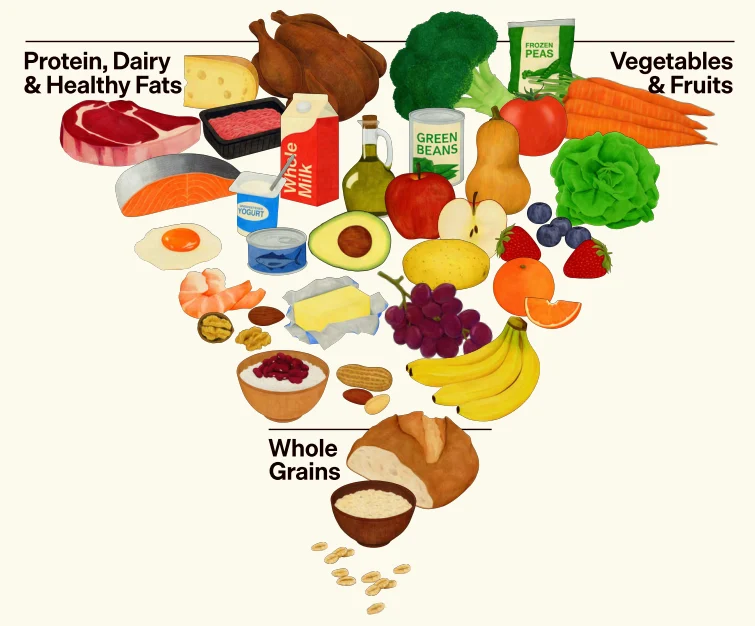
- Nutrition and Recovery: Muscle is not built in the gym; it is built during recovery. Ensure you are consuming adequate protein to support tissue repair and allowing at least 48 hours of rest between intense upper-body sessions to prevent overuse injuries.
Final Thoughts
Building a stronger upper body after 55 is a transformative journey. By moving away from the "spot-reduction" myth and toward a comprehensive, compound-focused routine, you are not just working toward firmer arms—you are investing in your long-term mobility, metabolic health, and quality of life. Start slowly, focus on your form, and remain consistent. Your body will reward the effort for years to come.