










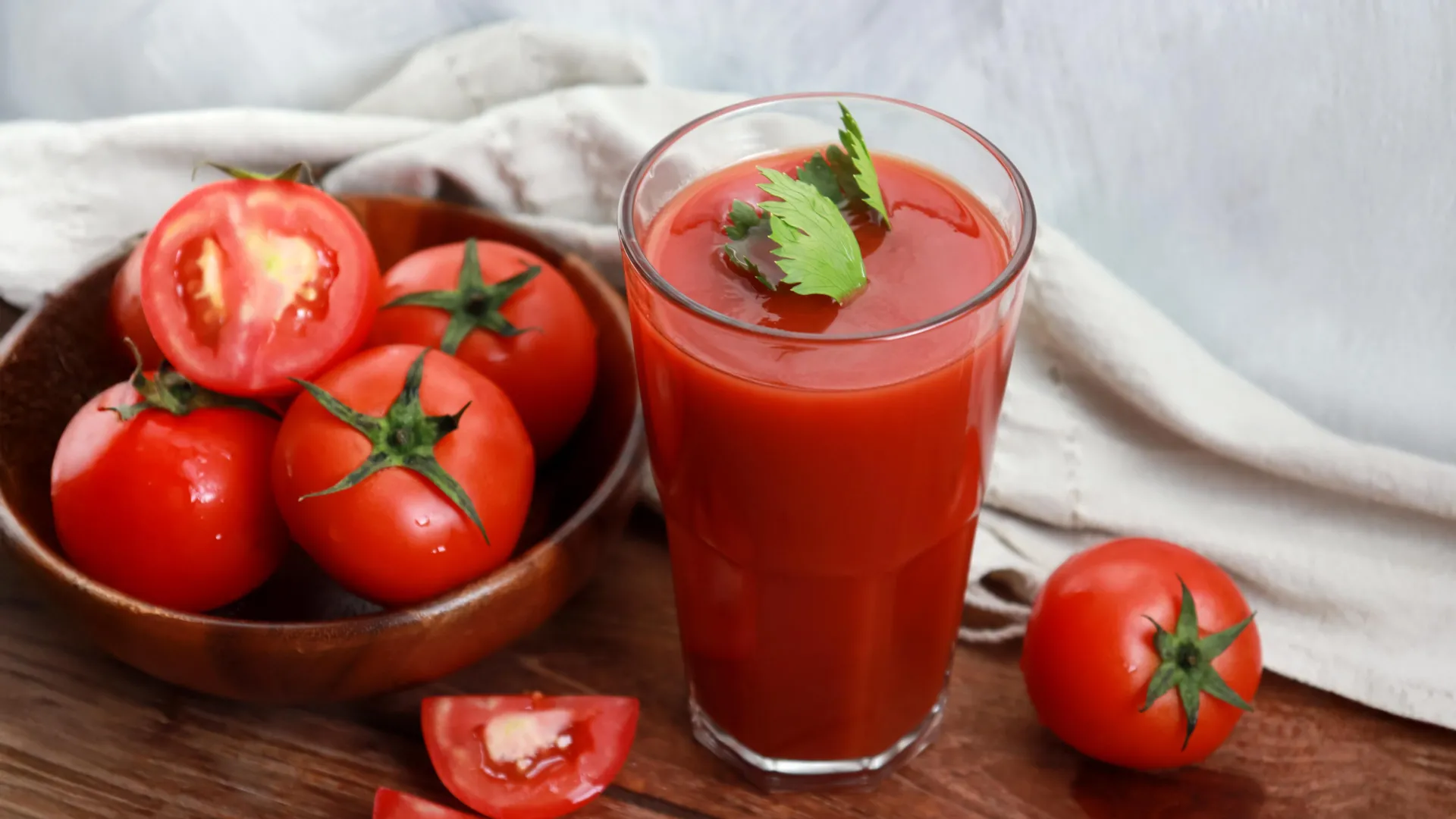
In the ongoing quest to combat the systemic inflammation that fuels a host of modern chronic illnesses—from metabolic syndrome to cardiovascular disease—science is increasingly looking toward the dinner plate rather than the medicine cabinet. A groundbreaking study recently published in the journal Molecular Nutrition & Food Research suggests that a specially formulated, nutrient-dense tomato-soy juice may hold the key to modulating the body’s internal inflammatory response.
Conducted by researchers at The Ohio State University, the study found that just four weeks of consuming this targeted beverage resulted in significant reductions in key inflammatory markers among adults with obesity. By leveraging the synergistic power of plant compounds, this research offers a compelling roadmap for the future of "functional foods"—nutritional interventions designed not just to nourish, but to actively alter biological processes for the better.
The Core Findings: A Shift in Inflammatory Markers
Chronic, low-grade inflammation is a silent driver of many of the world’s most pervasive health conditions, particularly in populations struggling with obesity. When the immune system remains in a state of constant, low-level activation, it can damage healthy tissues and contribute to long-term pathology.
The Ohio State research team, led by Associate Professor of Horticulture and Crop Science Jessica Cooperstone, sought to determine if a specific dietary intervention could "quiet" this inflammatory cascade. The beverage in question was a meticulously crafted blend of tomatoes bred for high lycopene content, fortified with soy isoflavone extract.
The results were statistically significant. Participants who consumed two 6-ounce cans of the tomato-soy juice daily for four weeks showed a marked decrease in blood concentrations of three specific cytokines: Interleukin (IL)-5, IL-12p70, and granulocyte-macrophage colony-stimulating factor (GM-CSF). While a reduction in tumor necrosis factor alpha (TNF-a) was also observed, it did not reach the threshold for statistical significance. These proteins are hallmark indicators of immune system activity, and their reduction suggests a meaningful shift toward a less inflammatory state.
Chronology of Discovery: From Prostate Research to Systemic Health
The development of this unique juice was not a sudden epiphany, but rather the culmination of years of scientific inquiry into the protective properties of phytochemicals.
The Foundation (Early 2000s–2010s)
Years ago, Ohio State researchers began investigating the potential of tomato and soy-based diets to lower the risk of prostate cancer. Initial laboratory and clinical observations suggested that men with prostate cancer who consumed high levels of these compounds experienced lower prostate-specific antigen (PSA) levels. These early findings served as the "proof of concept" that specific plant-derived compounds could, indeed, influence human biological pathways.
The Formulation (2015–2020)
Building on this evidence, the team developed the prototype for the current juice. They utilized tomatoes specifically bred to contain elevated lycopene levels—a carotenoid pigment responsible for the red hue of the fruit—and bolstered the mixture with concentrated soy isoflavones. These compounds are naturally occurring flavonoids that exhibit estrogen-mimicking properties, known for their roles in plant defense and human health.
The Current Trial (2023–2024)
The most recent study, involving 12 healthy adults with obesity, utilized a rigorous "crossover" design. Participants underwent two distinct four-week phases: one consuming the tomato-soy juice and another consuming a control tomato juice lacking the high-lycopene and soy-fortified profile. By measuring blood and urine metabolites before and after each phase, the researchers were able to isolate the biological impact of the specific formula against a baseline tomato product.
Supporting Data: The Science of Phytochemicals
The efficacy of the tomato-soy juice lies in the interplay between two distinct chemical classes: carotenoids and flavonoids.
Lycopene, the primary carotenoid in tomatoes, is a potent antioxidant that has been studied extensively for its role in mitigating oxidative stress. Soy isoflavones, meanwhile, interact with estrogen receptors, potentially modulating pathways that control inflammation and metabolism.
However, the researchers emphasize that the juice is more than the sum of its parts. Analysis of participants’ urine revealed shifts in various metabolites, indicating that the body breaks down these nutrients in complex ways that affect overall physiology. Interestingly, some metabolite changes occurred regardless of whether the juice was the "super" formula or the control version, suggesting that tomatoes possess inherent anti-inflammatory properties that go beyond their most famous compounds.
"The hypothesis is that it’s the lycopene from the tomatoes and the isoflavones from the soy that’s inducing the effect," said Cooperstone. "We wanted to be rigorous. We didn’t want to use a control that was just water, because we know tomatoes themselves are bioactive."
Official Perspectives: A New Standard for Clinical Nutrition
The significance of this research lies in its commitment to clinical rigor. In the world of nutritional supplements, claims of "anti-inflammatory" benefits are often anecdotal or based on cell cultures rather than human trials.
"The idea is, can we use food-based interventions to modulate inflammation?" Cooperstone noted. "And can we test this in a rigorous way so that we can really see this is affecting inflammation, versus just saying something is anti-inflammatory?"
By securing funding from the National Institute of Diabetes and Digestive and Kidney Diseases (NIDDK), the team has moved beyond basic observational studies. They are now applying this methodology to a new, high-stakes pilot clinical trial. This trial will examine whether the same tomato-soy juice can reduce inflammation in patients suffering from chronic pancreatitis—a condition characterized by painful, persistent inflammation of the pancreas for which current treatments are largely palliative.
"Care for patients with pancreatitis is currently focused on controlling pain and GI symptoms," Cooperstone explained. "Our hypothesis is that the tomato-soy juice may serve as an intervention to decrease inflammation and hopefully increase patients’ quality of life."
Implications: The Future of Functional Foods
The implications of this research are broad, extending from clinical settings to public health policy. If a simple, nutrient-dense beverage can reliably modulate inflammatory markers, it could represent a low-cost, low-risk adjunct therapy for a variety of inflammatory conditions.
1. Moving Toward Precision Nutrition
This study underscores the necessity of "testing the food." As we learn more about how specific metabolites interact with human physiology, we may move toward a model of precision nutrition, where specific dietary formulations are prescribed to manage chronic health conditions, potentially reducing reliance on pharmacological agents that carry higher risks of side effects.
2. Bridging the Gap Between Agriculture and Medicine
The collaboration between horticulturists, crop scientists, and medical researchers at Ohio State serves as a model for future research. By breeding crops for higher nutrient density and fortifying them with synergistic compounds, the agricultural sector can play a more active role in the preventive healthcare landscape.
3. Addressing Global Health Burdens
With obesity rates continuing to climb globally, the identification of safe, food-based interventions is critical. Chronic inflammation is the bridge between obesity and its most dangerous comorbidities, including type 2 diabetes, non-alcoholic fatty liver disease, and heart disease. If this juice can help mitigate that internal "fire," it could be a vital tool in public health initiatives.
Conclusion
While the researchers caution that this is a starting point and not a cure-all, the findings are undeniably promising. The study provides a clear, data-driven argument that diet is not merely a passive factor in health, but a powerful, active tool for biological modulation.
As the research team transitions into their clinical trial for pancreatitis, the scientific community will be watching closely. If the results mirror the success seen in the obesity study, it could fundamentally shift how we treat inflammatory disease, moving us closer to a future where the most effective "medicine" is found in the grocery aisle.
The work has been a truly interdisciplinary effort, supported by the U.S. Department of Agriculture, the National Institutes of Health, the Lisa and Dan Wampler Endowed Fellowship for Foods and Health Research, and the Foods for Health Initiative at Ohio State. As the trial proceeds, it remains a testament to the idea that when we invest in understanding the complex relationship between our food and our cells, the potential for healing is profound.