









In the complex landscape of hematologic malignancies, few conditions present as daunting a challenge to both clinicians and patients as cutaneous T-cell lymphoma (CTCL). While advancements in oncology have transformed the treatment of many cancers, patients with refractory CTCL—a rare type of non-Hodgkin lymphoma that manifests in the skin—often find themselves in a revolving door of temporary remissions and inevitable relapses.
Dr. Seda Tolu, a dedicated physician-scientist at the Herbert Irving Comprehensive Cancer Center at Columbia University and New York-Presbyterian Hospital, is working to break this cycle. Supported by a grant from the Lymphoma Research Foundation, Dr. Tolu is spearheading a research initiative that seeks to move the needle from conventional chemotherapy toward a sophisticated, biology-driven approach using a combination of JAK inhibitors and immunotherapy.
Main Facts: The Clinical Challenge of CTCL
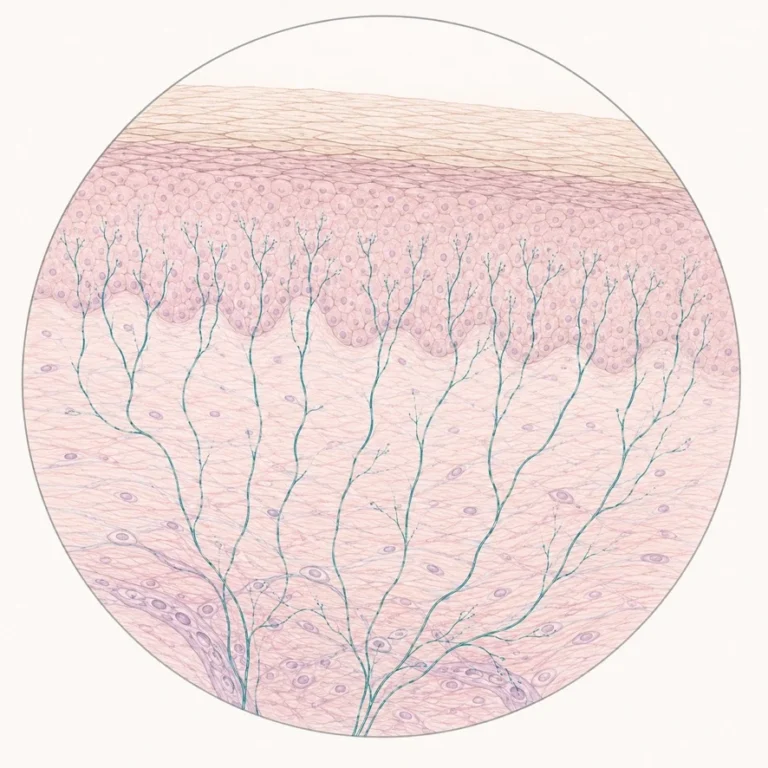
CTCL is a unique form of lymphoma that originates in T-cells, a subset of white blood cells that normally help the immune system fight infection. When these cells become malignant, they migrate to the skin, causing rashes, plaques, and tumors. Because the disease is so closely tied to the body’s immune system, standard chemotherapy often proves insufficient or overly toxic for long-term management.
The core challenge, as identified by Dr. Tolu, lies in the disease’s resilience. "It is often difficult to treat because it tends to come back after therapy, requiring patients to undergo many different treatments over time," she notes.
Dr. Tolu’s research focuses on:
- Targeting the JAK Pathway: Utilizing Janus kinase (JAK) inhibitors, which are enzymes that play a crucial role in cell signaling and the regulation of inflammatory responses in T-cell malignancies.
- Synergistic Immunotherapy: Pairing these inhibitors with modern immunotherapies to "unmask" cancer cells, allowing the patient’s immune system to recognize and eliminate them more effectively.
- Beyond Chemotherapy: Shifting the paradigm from systemic cytotoxic agents to targeted biologic interventions that promise higher efficacy with a more manageable side-effect profile.
Chronology: From Education to Scientific Inquiry
The trajectory of Dr. Tolu’s career reflects a steady commitment to bridging the gap between clinical observation and bench-side research.
The Formative Years: Dr. Tolu’s academic journey began at the University of Maryland School of Medicine, where she built the foundational knowledge required for specialized hematology and oncology.
Residency and Realization: During her residency at the Herbert Irving Comprehensive Cancer Center at Columbia University, Dr. Tolu was exposed to the diverse spectrum of lymphoma cases. It was during this period that the complexity of CTCL captured her professional attention. She saw not only the medical intricacies of the disease but also the profound psychological and physical toll it took on patients.
The Pivot to Research: Witnessing the "relapsed/refractory" stage—where patients have exhausted standard options—acted as the catalyst for her research career. Dr. Tolu realized that clinical care alone was not enough; innovation was required to change the prognosis for these individuals.
Current Initiative: With the backing of the Lymphoma Research Foundation, Dr. Tolu is now in the execution phase of her study, testing the hypothesis that dual-targeting of the JAK pathway and immune checkpoints will provide a durable response where monotherapies have failed.
Supporting Data: Why the JAK-Immunotherapy Combination Matters
In the world of precision medicine, the JAK pathway has emerged as a critical driver in several hematologic cancers. In CTCL, the malignant T-cells often exhibit aberrant signaling that promotes survival and proliferation.
Understanding the Biology
The Janus kinase-signal transducer and activator of transcription (JAK-STAT) pathway is essential for cytokine signaling. When this pathway is dysregulated, it can create an inflammatory microenvironment that actually protects the tumor from the immune system.

By utilizing JAK inhibitors, Dr. Tolu aims to:
- Reduce the "Shielding" Effect: Inhibiting JAK proteins can dampen the signals that allow T-cells to evade detection.
- Enhance Immune Recognition: By pairing this with immunotherapy, she aims to facilitate a "cold" tumor environment—one that the immune system ignores—into a "hot" one, where immune cells are actively engaged in destruction.
While early-stage research is ongoing, the data supporting this approach is rooted in the success of JAK inhibitors in other autoimmune and malignant conditions. By repurposing this mechanism for the specific context of CTCL, Dr. Tolu is following a data-driven path that prioritizes underlying tumor biology over broad-spectrum cellular destruction.
Official Responses and Perspectives
Dr. Tolu’s approach has garnered support from the broader oncology community, which recognizes the necessity of moving away from traditional chemotherapy for rare lymphomas.
"I witnessed firsthand how profoundly debilitating this disease can become in the relapsed/refractory setting," Dr. Tolu stated in a recent interview. "These patient experiences shaped my commitment to this field."
Her philosophy is clear: the goal is not just to extend survival metrics, but to enhance the day-to-day existence of patients. In many current CTCL treatment regimens, the toxicity of the drugs themselves can be as debilitating as the disease. By aiming for a "targeted" strategy, Dr. Tolu is advocating for a future where oncology treatments are precise, minimizing the systemic damage that currently leaves patients exhausted and immunocompromised.
The Lymphoma Research Foundation, by funding this project, has signaled a clear institutional priority: supporting researchers who prioritize patient-centered outcomes in rare and difficult-to-treat lymphoma subtypes.
Implications: A New Era for Patient Outcomes
The implications of Dr. Tolu’s work extend far beyond the laboratory. If her research successfully demonstrates that a combination of JAK inhibitors and immunotherapy can provide durable control of CTCL, it could rewrite the standard of care.
Clinical Implications
- Durable Remissions: The primary goal is to prevent the "revolving door" of relapse, offering patients longer stretches of health.
- Reduced Toxicity: A move away from heavy chemotherapy could mean fewer hospitalizations, reduced hair loss, and less fatigue, significantly improving the quality of life for patients.
- Personalized Treatment: This research contributes to the growing body of knowledge regarding which specific biologic markers indicate success with JAK inhibitors, allowing doctors to select patients who will benefit most from this therapy.
The Human Element
Ultimately, the most significant implication is the potential for hope. For patients with refractory CTCL, the future often feels limited by the availability of effective treatments. Dr. Tolu’s project represents a transition from "managing" symptoms to "targeting" the disease’s core mechanisms.
"I am particularly motivated by the potential to translate biologic insights into treatment strategies that not only improve disease control but meaningfully enhance patients’ daily lives," she explains.
Conclusion
Dr. Seda Tolu’s research represents the best of modern academic medicine: it is deeply rooted in clinical empathy, driven by rigorous scientific inquiry, and focused on the practical needs of the patient. While the journey from laboratory bench to clinical bedside is long and arduous, projects like hers are essential for transforming the prognosis of rare cancers.
As she continues her work at the Herbert Irving Comprehensive Cancer Center, the medical community will be watching closely. Should her combination therapy prove successful, it will serve as a powerful testament to the value of targeted, biology-first research in the ongoing battle against lymphoma. For the many patients currently navigating the uncertainty of CTCL, Dr. Tolu’s work offers a beacon of progress—a promise that the next generation of treatments will be more effective, more precise, and, most importantly, more compassionate.