











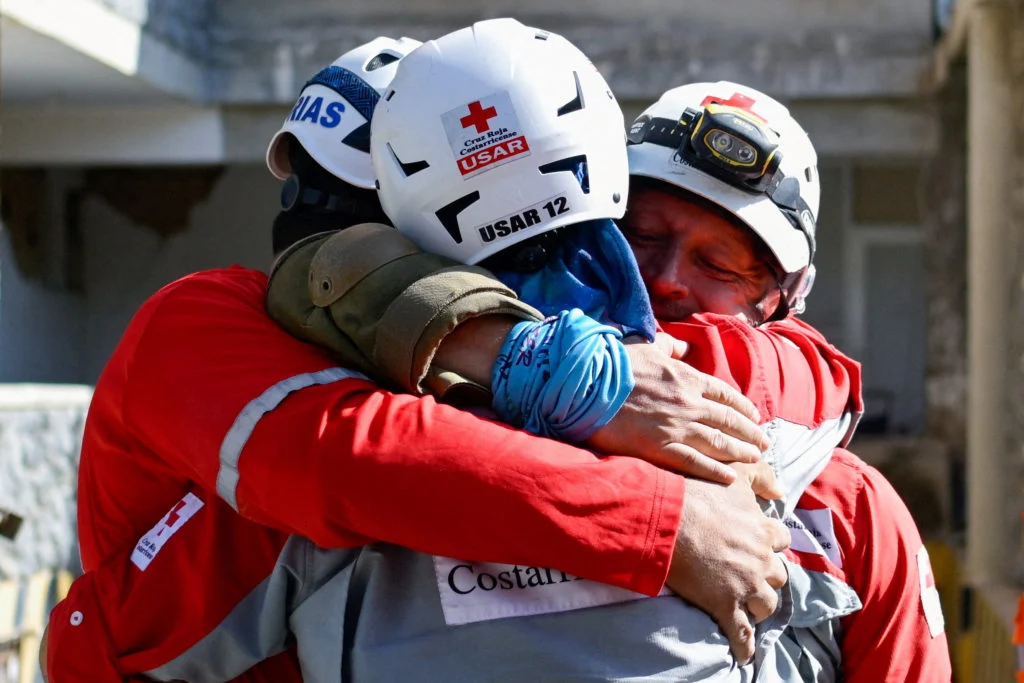
CARACAS, Venezuela — In the shadow of the twin earthquakes that decimated large swaths of Venezuela on June 24, a secondary, perhaps more lethal, crisis is emerging. As the initial shock of the disaster fades, the nation’s fragile healthcare infrastructure—already hollowed out by years of economic mismanagement and a mass exodus of professionals—is teetering on the precipice of total collapse.
With at least 2,295 confirmed dead and more than 11,000 injured, the scale of the devastation is staggering. However, aid workers, physicians, and international observers warn that without an immediate and massive influx of medical resources, the death toll is likely to climb precipitously in the coming weeks due to untreated trauma, surging infectious diseases, and the systemic neglect of chronic health conditions.
The Anatomy of a Medical Crisis
The physical destruction caused by the June 24 tremors is only the beginning. Thousands of displaced Venezuelans, left homeless by the collapse of concrete infrastructure, are now huddled in overcrowded, makeshift shelters or exposed to the elements. In these environments, clean water is a luxury, and basic sanitation has become a memory.
"The issue we foresee just around the corner is the infections that patients who have been exposed to the disaster for the longest time might bring," explains Dr. Eugenio Cova, head of the trauma unit at Hospital del Oeste Dr. José Gregorio Hernández in Caracas. "We’ve already navigated a period of complex trauma—which will continue to occur—but now it is being compounded by secondary infections that our hospitals are not equipped to treat."
The risks are further exacerbated by the tropical climate. Veronique Durroux, spokesperson for the U.N. humanitarian agency in Latin America and the Caribbean, has sounded the alarm regarding vector-borne diseases. "It’s very hot, and there is significant concern about potential outbreaks," Durroux noted. "Waste management is a massive issue. When you survey the scale of the debris, the public health implications are deeply concerning."
Chronology of the Disaster and Rescue Efforts
The timeline of the disaster has been defined by a desperate race against the clock. Since the twin quakes struck on June 24, the international community has mobilized, though progress remains agonizingly slow.
- June 24: Twin earthquakes strike Venezuela, causing widespread structural failure across major urban centers.
- June 25–26: Initial panic gives way to a disorganized emergency response. Thousands of citizens take to the streets to clear rubble with bare hands, as government rescue teams struggle to coordinate.
- June 27–29: International search-and-rescue teams, including contingents from Ecuador and Israel, arrive on the ground. Despite the high death toll, miraculous rescues continue, including a toddler pulled from the rubble after six days.
- July 1: U.S. military personnel reach 900 on the ground, focusing on logistics. A runway at Caracas’s international airport is repaired to facilitate the flow of humanitarian aid.
- July 2: Public anger mounts as reports of looting by security forces circulate on social media, prompting the Interior Ministry to announce the detention of four police officials.
- Ongoing: The search continues, though more than 40,000 individuals remain missing, according to non-governmental databases, casting a long, dark shadow over the nation’s recovery prospects.
Supporting Data: A Healthcare System Hollowed Out
To understand why this disaster is so uniquely dangerous for Venezuela, one must examine the state of the country’s hospitals prior to the seismic event. The earthquakes did not create the healthcare crisis; they merely unveiled the extent of the decay.
According to data from the Venezuelan Medical Association, approximately one-third of the country’s 60,000 physicians have emigrated since the economic crisis intensified in 2013. Dr. Huníades Urbina, a board member of the pediatrics association, notes that the current number of practicing doctors is barely half of what is required under World Health Organization (WHO) standards.
The Statistical Gap
- Medical Staffing: Venezuela currently possesses roughly 40,000 doctors, while WHO standards suggest the nation requires 84,000 to serve its population effectively.
- Infrastructure Failure: A 2025 national survey of public hospitals indicated that 30% of emergency supplies are entirely unavailable, while operating rooms lack 70% of necessary equipment.
- Laboratory Capacity: Most hospital labs are either shuttered or functioning only at a rudimentary level, unable to perform basic diagnostic testing.
- The Physical Toll: Government reports confirm that 38 hospitals nationwide sustained structural damage, further limiting the capacity to treat the influx of earthquake victims.
The lack of ambulances has forced a harrowing new reality: the injured are frequently transported to medical centers in the beds of pickup trucks, a testament to the collapse of state services.
Official Responses and Geopolitical Tensions
The response to the disaster has become a focal point for political friction. The administration of acting President Delcy Rodríguez has faced intense scrutiny over its handling of the relief efforts. Critics point to the inefficiency of the government, while others highlight the moral hazard of looting by those tasked with protecting the citizenry.
The United States has pledged $300 million in aid, distributed through international NGOs and the United Nations. However, this figure is dwarfed by the estimated $6.7 billion in material damages identified by the U.N. Development Program.
International and Domestic Perspectives
General Francis Donovan, head of the U.S. Southern Command, has largely deflected blame away from the current administration, citing instead the "decades of neglect" that left Venezuela vulnerable. "It is a big problem for any leader to deal with a challenge of this magnitude," Donovan stated, emphasizing that the U.S. mission is focused on logistics—repairing runways and managing airlifted aid—rather than domestic politics.
Conversely, the Venezuelan public remains skeptical. The circulation of videos showing security personnel pilfering property from the ruins of collapsed homes has ignited widespread outrage, leading to the government’s public firing of four police officials. This incident has solidified a perception among the populace that the government is either incapable or unwilling to provide for those in their most vulnerable hour.
Long-term Implications: The "Secondary Wave"
The immediate trauma of the earthquake—the crushed limbs, the head injuries, and the acute shock—is only the first chapter of this tragedy. Medical professionals like Jaime Lorenzo, director of the United Doctors of Venezuela, are now bracing for a "second wave" of victims.
"We are going to see a surge of patients who have been without medication for chronic diseases for over a week," Lorenzo warns. "Asthma, diabetes, high blood pressure—these patients have lost their homes and their medicine. When they arrive at our doors, they will be in critical condition."
The combination of a lack of orthopedic supplies (screws, plates, and sterile gauze), the collapse of the pharmacy supply chain, and the absence of sanitary infrastructure suggests that the post-earthquake recovery will be measured in years, not months.
As the search for the missing continues, the international community watches with bated breath. Whether the influx of foreign aid and military logistics can stem the tide of preventable death remains an open question. For the people of Venezuela, the earthquake was the trigger, but the true test lies in whether their broken institutions can be held together long enough to prevent a total social collapse.
In the words of Dr. Urbina, the earthquake is a final, brutal confirmation of a government’s inability to protect its people—a reality that will haunt the nation long after the rubble is cleared.