By Editorial Staff
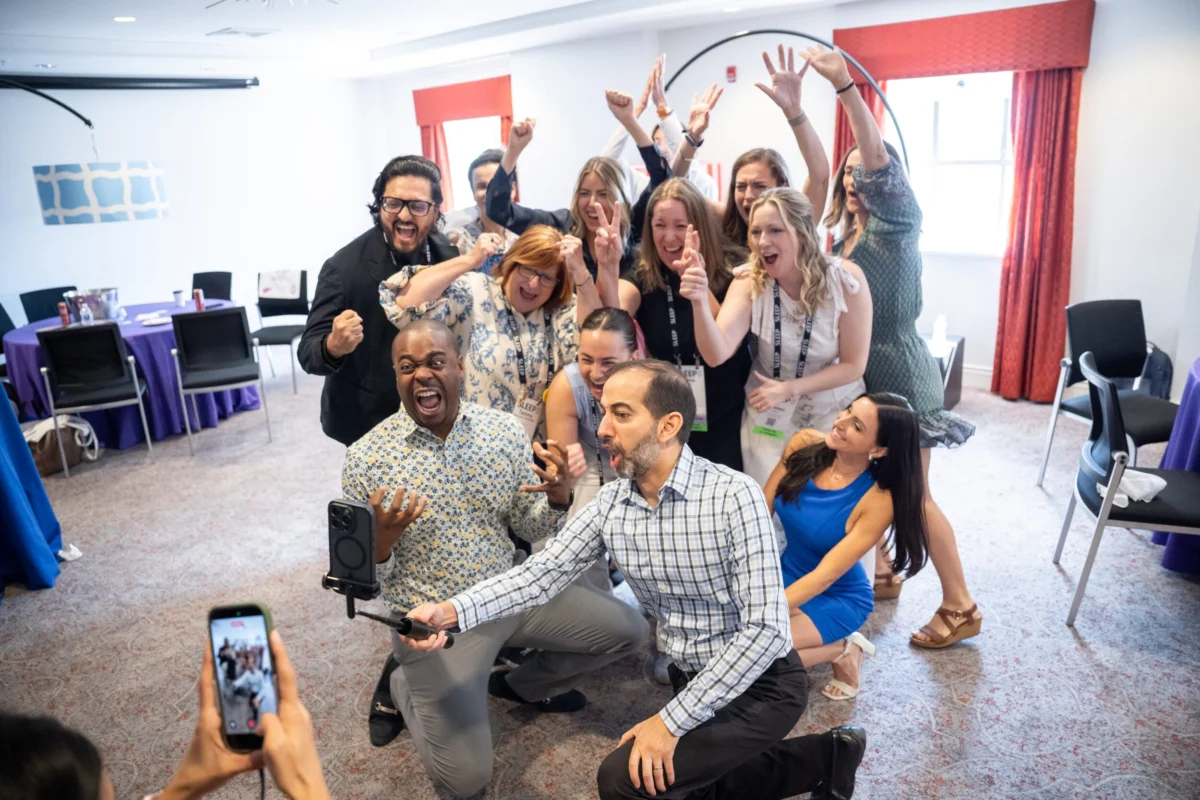
At first glance, the networking breakfast held ahead of the SLEEP 2026 conference might have looked like a casual gathering of friends—a flurry of selfies, lighthearted banter, and smartphone cameras capturing the morning mood. But to the informed observer, this was a strategic summit. It was, in essence, ground zero for a burgeoning movement dedicated to combating the rapid spread of medical misinformation.
This gathering of "Sleepfluencers"—a coalition of clinicians, researchers, patient advocates, and science-backed content creators—represents a pivotal shift in how medical experts engage with the public. As patients increasingly turn to TikTok, Instagram, and AI chatbots for health guidance, this group is stepping out of the clinic and into the digital fray to ensure that when the public searches for sleep advice, they find science, not snake oil.
The Genesis of a Movement: Bridging the Gap
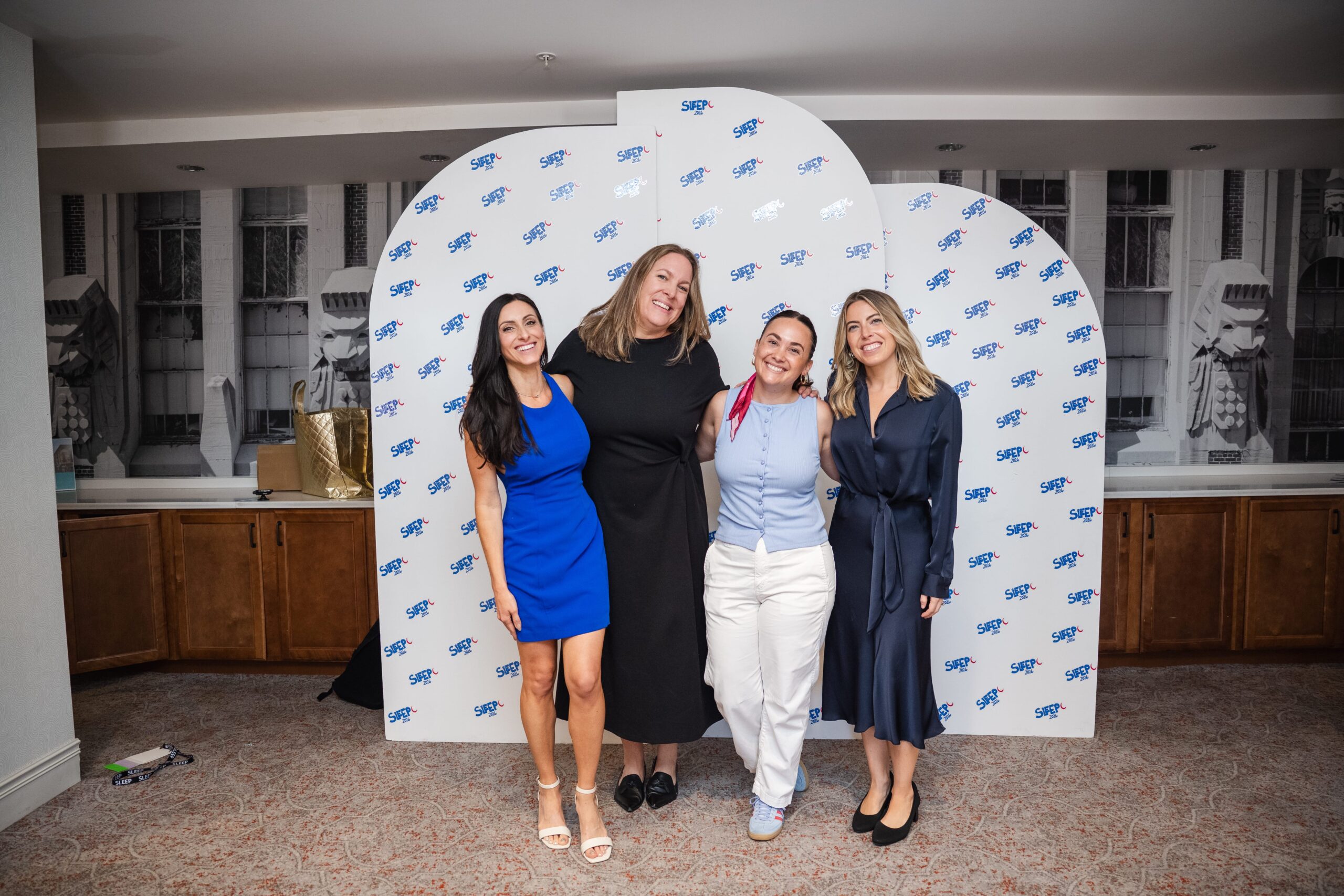
The initiative was spearheaded in 2024 by Teresa Power, founder of Sleep Better NYC. Recognizing the dangerous disconnect between clinical reality and social media trends, Power joined forces with Mollie Eastman, founder of Sleep Is A Skill, and Emma Cooksey, host of the Sleep Apnea Stories podcast.
"The idea was to pull together clinicians, researchers, patient advocates, and other sleep enthusiasts who were attending the annual SLEEP conference, and give them an opportunity to meet, collaborate, and create engaging, evidence-based sleep content," Power explained.
The necessity for this collaboration became starkly apparent through Power’s private coaching practice. She observed a troubling trend: clients were consistently reaching for "quick fixes"—supplements, mouth tape, and specialized pillows—before ever considering the gold-standard medical routes, such as sleep apnea testing, Cognitive Behavioral Therapy for Insomnia (CBT-I), or consultations with board-certified sleep specialists. Many, she noted, were entirely unaware that sleep medicine existed as a formal, rigorous specialty until they stumbled upon a viral post.
The State of Digital Health: A Statistical Wake-Up Call
The urgency of this movement is underscored by data. According to a recent study by the Pew Research Center (April 2026), 36% of Americans now rely on social media as a primary source for health information, while 22% are turning to AI-driven chatbots like ChatGPT for medical guidance.
The core concern is the "convenience versus accuracy" paradox. While users report that these platforms are highly convenient, the medical community remains deeply concerned about the quality of the information provided. The majority of these influencers lack any formal medical training, yet they possess the charisma and reach to influence millions. When patients feel uncomfortable discussing sensitive sleep issues with their primary care doctors, they are effectively turning to strangers on the internet as their primary source of truth.
The Big Baby Sleep Debate
One of the most contentious battlegrounds for sleep misinformation is pediatric sleep. The "Big Baby Sleep" debate has long pitted evidence-based practices against viral, often unsubstantiated, parental advice.
Sujay Kansagra, MD, a pediatric neurologist at Duke University and the creator of the popular Instagram account @thatsleepdoc, has been a leading voice in debunking harmful myths. As the inventor of the Lullabee smart crib mattress, Kansagra understands the complexities of infant sleep. He argues that the stigma surrounding "sleep training"—a widely accepted, evidence-based method to help infants develop self-soothing skills—is frequently fueled by creators peddling fear-mongering content.
"Parenting babies is hard enough without unhelpful and inaccurate messaging on social media," Dr. Kansagra stated during the summit. "Whatever we can do to get helpful, science-backed information to the public is worth it."
By collaborating with other experts like Sarah Petroski (insomnia specialist) and Dr. Chris Allen, the group is working to create a "surround sound" of accurate information, ensuring that parents are equipped with data rather than internet-borne anxiety.
Redefining Sleep: Beyond Quantity to Quality
While the public often fixates on the number of hours spent in bed, the clinical reality is far more nuanced. Dr. Chris Allen, a pediatric neurologist and sleep specialist at Quality Sleep and Neurology in Saginaw, Mich., emphasizes that duration is only one piece of the puzzle.
"As a sleep doctor, I want my patients to get the recommended 7 to 9 hours of sleep per night, but it’s not just about time in bed," Dr. Allen, known to his followers as @sleepdrchris, explains. "If someone has obstructive sleep apnea (OSA) but doesn’t know it or isn’t treating it, finding the perfect pillow or going to bed early isn’t going to help. Snoring is not normal and can be a sign of a serious sleep disorder that requires medical treatment, not mouth tape or a special pillow."
This message is personal for co-host Emma Cooksey, whose own decade-long struggle with undiagnosed sleep apnea serves as a cautionary tale. "I went 10 years without a diagnosis despite going to primary care physicians with all the symptoms," Cooksey shared. "I was snoring loudly, waking up gasping, and dealing with daytime sleepiness so intense that I had to excuse myself from meetings to splash cold water on my face. If I had been following some of the content creators at the Sleepfluencers event back then, maybe I could have been diagnosed more quickly."
The Danger of "Sleepmaxxing"
In recent years, the culture of "biohacking" has infiltrated the sleep space, leading to a phenomenon known as "sleepmaxxing"—the obsessive attempt to optimize every millisecond of sleep through wearables, supplements, and rigid routines.
Shelby Harris, PsyD, a clinical psychologist and author of The Women’s Guide to Overcoming Insomnia, is at the forefront of the counter-movement. Through her platform @SleepDocShelby, she emphasizes that the obsession with "perfect" data often leads to "orthosomnia"—a preoccupation with achieving a perfect sleep score on a wearable device, which in turn fuels the very anxiety that destroys sleep quality.
"I often share with my patients the CBT-I principles that improve sleep quality, and they require acceptance that some nights will be better than others," Dr. Harris notes. "We’re shooting for meaningful improvements in sleep quality—not perfection."
Industry Implications and Future Outlook
The Sleepfluencers event did not operate in a vacuum; it garnered support from industry leaders like Resmed, recognizing that the battle for health literacy is a shared responsibility.
"Social media gives us the opportunity to share information about sleep health where people already are," says Lindsay McFarland, content strategist at Resmed. "It’s important that when they look for information, they’re met with accurate and accessible content."
The implications for the medical field are profound. The medical establishment can no longer afford to ignore the platforms where the public congregates. When 100,000 people view a single reel of a sleep expert dancing while delivering a, say, vital tip about CPAP compliance, it becomes clear that the traditional model of "patient education" is evolving.
Conclusion: A New Standard of Digital Engagement
The Sleepfluencers movement is not just about gaining followers; it is about reclaiming the digital ecosystem for public health. By merging the rigor of clinical medicine with the accessibility of modern digital storytelling, these experts are filling a void that would otherwise be occupied by misinformation.
As the lines between digital entertainment and health information continue to blur, the work done by Power, Eastman, Cooksey, and their colleagues becomes increasingly vital. They have recognized that the future of sleep health is not just in the laboratory or the clinic—it is in the palm of the patient’s hand. For the millions struggling with sleep disorders, this shift represents a new, hopeful chapter: one where the path to a good night’s sleep is paved with science, not just algorithms.
Chronology of the Movement
- 2024: Teresa Power launches the first informal breakfast meetup to promote evidence-based collaboration among sleep professionals.
- 2025: The group expands its outreach, incorporating more patient advocates and pediatric specialists to address the growing wave of infant sleep misinformation.
- 2026 (April): The Pew Research Center releases findings on the prevalence of AI and social media in health decisions, providing the empirical foundation for the current "Sleepfluencers" strategy.
- 2026 (July): The Sleepfluencers 2026 event at the annual SLEEP conference marks the most significant gathering of evidence-based sleep creators to date, solidifying a cross-platform network of experts.
Summary of Core Advocacy Pillars
- Clinical Validation: Prioritizing medical diagnosis (CBT-I, sleep apnea testing) over aesthetic or biohacking trends.
- Parental Support: Correcting the misinformation regarding infant sleep training and providing evidence-based resources for parents.
- Anti-Perfectionism: Fighting the "sleepmaxxing" trend by advocating for sleep quality and mental health over rigid tracking metrics.
- Patient Empowerment: Encouraging patients to advocate for their own health through informed discussions with their primary care providers.