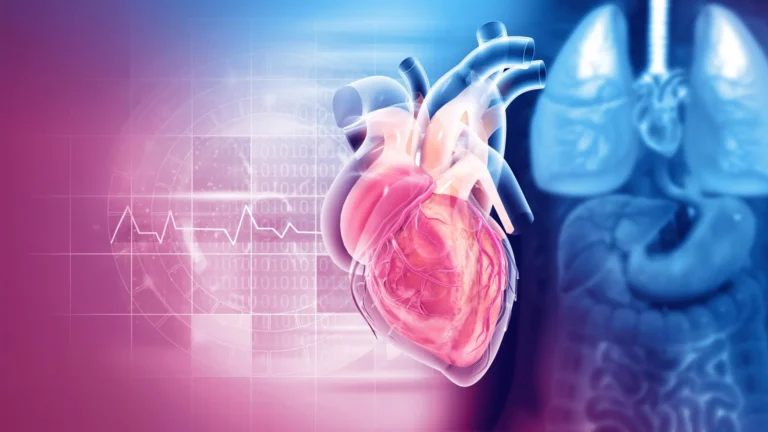
In the global effort to combat the COVID-19 pandemic, mRNA-based vaccines emerged as a triumph of modern biotechnology. With billions of doses administered, they have proven instrumental in reducing mortality and preventing severe disease. Yet, as with any potent medical intervention, the scientific community has remained vigilant regarding rare side effects. Among the most discussed is myocarditis—an inflammation of the heart muscle—which has been identified in a small subset of adolescent and young adult males following vaccination.
A landmark study from Stanford Medicine, published recently in Science Translational Medicine, has finally pulled back the veil on the biological sequence of events that triggers this rare condition. By mapping the immune response at the cellular level, researchers have not only explained the "why" behind these rare cases but have also identified a potential pharmacological strategy to mitigate the risk.
The Core Findings: A Two-Stage Immune Cascade
The research team, led by Dr. Joseph Wu, director of the Stanford Cardiovascular Institute, and postdoctoral scholar Dr. Xu Cao, utilized a combination of cutting-edge laboratory techniques and historical data from vaccinated individuals to trace the inflammatory process. Their findings point to a specific "two-stage" immune response.
In this model, the vaccine first activates a specific subset of immune cells known as macrophages. Once triggered, these macrophages release a signaling protein—a cytokine—called CXCL10. This protein then acts as a beacon, recruiting and stimulating T cells. These T cells, in turn, produce a surge of a second cytokine, interferon-gamma (IFN-gamma). The interaction between these two cytokines is the catalyst that drives inflammation, which can subsequently damage heart muscle cells and trigger broader inflammatory effects.
Chronology of the Discovery Process
The journey to this discovery began with the basic question: Why does this happen, and why is it more prevalent in specific demographics?
- Comparative Analysis: The team began by analyzing blood samples from two groups: vaccinated individuals who developed myocarditis and a control group of vaccinated individuals who did not. The contrast was stark, highlighting the proteins CXCL10 and IFN-gamma as the primary suspects.
- Cellular Simulation: To verify these findings, researchers cultured human macrophages in the lab and exposed them to mRNA vaccine material. The macrophages immediately began producing high levels of CXCL10.
- T-Cell Interaction: When the researchers introduced T cells into the macrophage culture, the T cells began producing massive amounts of IFN-gamma—a response that did not occur when T cells were exposed to the vaccine in isolation. This confirmed the symbiotic, yet damaging, relationship between the two cell types.
- In Vivo Validation: The team then transitioned to a mouse model. Vaccinated male mice showed clear evidence of heart muscle injury, marked by elevated cardiac troponin—a standard clinical indicator of heart cell damage—and the infiltration of immune cells, including neutrophils, into the heart tissue.
- Intervention Testing: By utilizing inhibitors to block the signaling of CXCL10 and IFN-gamma, the researchers were able to significantly reduce the infiltration of inflammatory cells and limit damage to the heart tissue, all while preserving the vaccine’s primary immune-boosting efficacy.
Supporting Data and Clinical Context
It is critical to contextualize these findings within the broader safety profile of mRNA vaccines. Myocarditis remains an extremely rare event. Statistically, the risk stands at approximately one in 140,000 after the first dose, increasing to roughly one in 32,000 after the second dose. Among the most vulnerable demographic—males aged 30 and younger—the incidence rate is approximately one in 16,750.
Clinical Markers of Myocarditis
- Troponin Levels: Elevated cardiac troponin in the bloodstream is the hallmark indicator of cardiac injury.
- Symptomology: Patients typically present with chest pain, shortness of breath, fever, and heart palpitations.
- Onset: Symptoms generally manifest within one to three days post-vaccination.
- Prognosis: In the vast majority of cases, the condition is mild and self-limiting. Unlike a traditional heart attack, there is no blockage of blood vessels. Most patients recover fully with standard observation and supportive care.
Despite these rare adverse events, Dr. Wu remains steadfast in his endorsement of the vaccines. "The mRNA vaccines have done a tremendous job mitigating the COVID pandemic," he notes. "Without these vaccines, more people would have gotten sick, more people would have had severe effects, and more people would have died." Furthermore, he points out that a natural COVID-19 infection is approximately 10 times more likely to cause myocarditis than the vaccine itself, in addition to the myriad other systemic risks associated with the virus.
The Role of Genistein: A Nutritional Intervention?
Perhaps the most intriguing aspect of the study is the potential for a non-toxic intervention. Dr. Wu, drawing on his lab’s previous research into the anti-inflammatory properties of compounds, turned his attention to genistein, a compound derived from soybeans.
In previous studies, the team had observed that genistein could mitigate vascular damage caused by environmental factors. When they applied a purified, concentrated form of genistein to their cardiac spheroids (small, lab-grown clusters of beating heart cells) and to the vaccinated mouse models, the results were promising. The compound appeared to dampen the cytokine-induced inflammation, effectively shielding the heart cells from the "collateral damage" of the immune system’s overreaction.
While the researchers cautioned that the form used in the study is far more potent than typical dietary supplements, the finding suggests that future vaccine protocols—or the management of vaccine-related inflammation—could eventually incorporate protective therapies.
Broader Implications for Medicine and Immunology
The Stanford study has ramifications that extend well beyond COVID-19. The identification of excessive cytokine signaling as a potential pathway for organ damage provides a blueprint for understanding how the body reacts to other mRNA-based therapeutics and vaccines.
Key Implications
- Refining Vaccine Design: By understanding how cytokines interact, future vaccine platforms could be engineered to minimize the recruitment of T cells or the production of specific inflammatory cytokines, potentially eliminating the risk of myocarditis entirely.
- Systemic Awareness: Dr. Wu notes that the inflammatory response is not necessarily confined to the heart. There is preliminary evidence suggesting similar mechanisms might affect the liver, lungs, or kidneys. Identifying these pathways allows for a more holistic approach to monitoring post-vaccination health.
- Broadening the Scope: The team suggests that while COVID-19 vaccines have received the most intense scrutiny, other vaccines may induce similar, albeit more diffuse, inflammatory responses. The "diffuse" nature of symptoms from other vaccines (like flu shots) may have historically led to them being overlooked or misattributed to general malaise.
Conclusion
The work of Dr. Wu, Dr. Cao, and their colleagues serves as a masterclass in modern medical research: taking a complex, real-world clinical issue and deconstructing it into its fundamental biological components. By identifying the specific cytokines—CXCL10 and IFN-gamma—that bridge the gap between vaccination and inflammation, the team has provided a clear path forward for both clinical practice and vaccine development.
While the findings are significant, they do not alter the current clinical consensus: the benefits of vaccination far outweigh the risks for the vast majority of the population. However, for those rare individuals who do experience complications, and for the future of mRNA technology, this research provides the roadmap for safer, more precise, and more resilient medical interventions. As we continue to refine our ability to trigger the body’s defenses without causing harm, studies like this remain the bedrock of public health progress.