








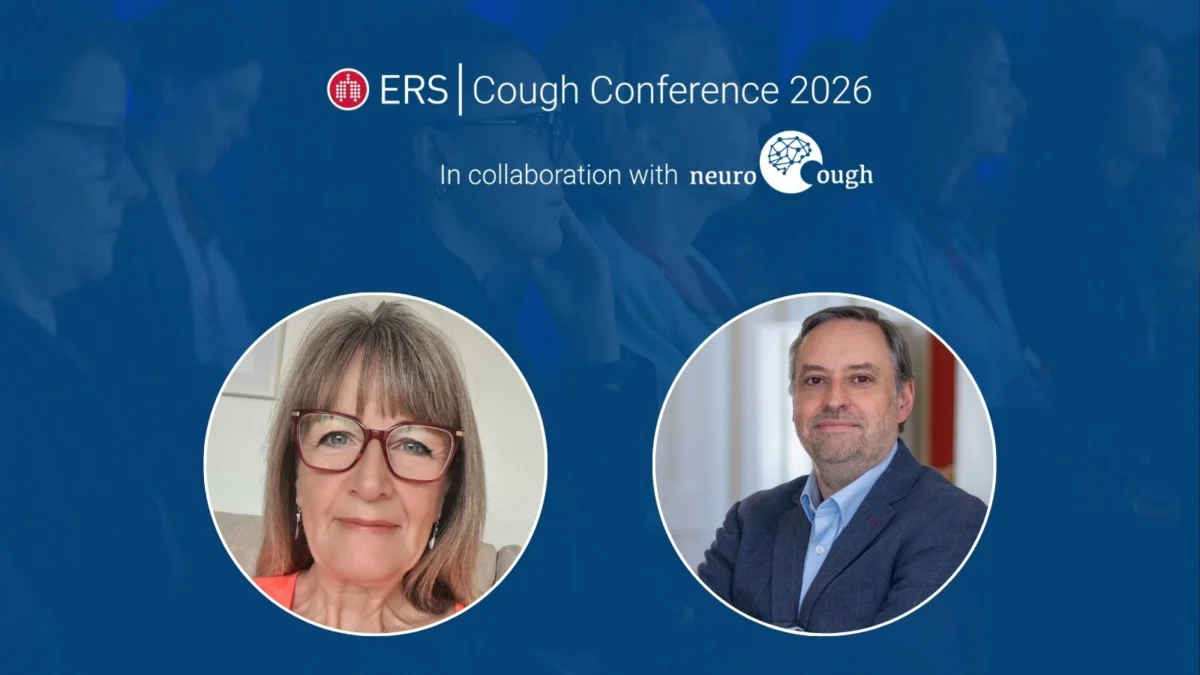
2 July, 2026
As the global medical community gears up for the inaugural European Respiratory Society (ERS) Cough Conference, scheduled for 15–17 July in London and via a comprehensive online digital platform, a significant shift in medical discourse is taking shape. This year’s event marks a departure from traditional, siloed clinical summits by placing lived experience directly at the center of its scientific and clinical discussions.
By integrating the perspectives of those living with chronic cough—a condition that affects millions yet remains notoriously difficult to treat—the ERS is operationalizing its core strategic objective: the authentic, empowered partnership between patients and healthcare professionals.
Main Facts: A New Paradigm for Respiratory Medicine
The ERS Cough Conference stands as a landmark event in respiratory research. Unlike standard academic gatherings that focus solely on molecular pathways or pharmaceutical outcomes, this conference seeks to synthesize the "hard" data of clinical trials with the "soft" data of daily life.
Chronic cough is often dismissed by the public as a mere symptom of a cold or environmental irritation. However, for those suffering from chronic, refractory, or unexplained cough, the condition is a debilitating reality that affects social mobility, professional performance, and mental health. By inviting patient advocates like Andrew Lothian and Ruth Last to the podium, the ERS is validating these struggles as critical data points that must inform future research priorities.
The conference is designed to be a hybrid experience, ensuring that barriers to travel—often significant for those with respiratory conditions—do not prevent access to cutting-edge information. The primary goal is to foster a "holistic" understanding of the disease, ensuring that clinical interventions are not just effective on paper, but sustainable and meaningful in the lives of patients.
Chronology: The Evolution of the Patient-Centered Approach
The road to the 2026 ERS Cough Conference has been one of gradual, purposeful evolution within the medical research sector.
- 2023–2024: ERS identified "patient-professional partnerships" as a primary strategic pillar. During this period, the Society began formalizing patient advisory groups, recognizing that clinical trials often failed to capture the outcomes that mattered most to patients, such as symptom burden and quality of life.
- Early 2025: Initial planning for the inaugural Cough Conference began. The organizing committee, led by Prof. Fan Chung and Prof. Omar Usmani, made the unconventional decision to mandate patient representation in every major scientific session.
- Spring 2026: Preparations accelerated, with Lothian and Last joining the scientific planning committee to provide feedback on the agenda, ensuring that the topics selected—ranging from diagnostic challenges to novel therapies—reflected the most pressing unmet needs of the patient community.
- 15–17 July 2026: The Conference will commence in London. The first two days are dedicated to foundational science, while the final day is centered on the integration of patient-reported outcomes (PROs) and the long-term management of chronic conditions.
Supporting Data: The Hidden Burden of Chronic Cough
To understand why this conference is a turning point, one must look at the data—and the gaps within it. Current clinical literature often emphasizes "cough frequency" as a primary metric. However, patients and clinicians are increasingly recognizing that frequency is a poor proxy for suffering.
Studies indicate that chronic cough patients frequently report:
- Social Isolation: The fear of coughing in public spaces leads to a contraction of social circles and increased rates of anxiety and depression.
- Diagnostic Delays: Patients often cycle through various specialists—ENTs, gastroenterologists, and pulmonologists—for years before receiving a definitive diagnosis, leading to "diagnostic fatigue."
- Treatment Failure: Many existing therapies are limited by side effects or low efficacy, a reality often understated in controlled clinical environments.
The ERS initiative seeks to utilize qualitative data from patients to "humanize" these statistics. By providing a platform for individuals like Ruth Last, the conference aims to showcase that the emotional and social impacts of a disease are not "anecdotal," but are essential components of a patient’s health profile.
Official Responses: Voices from the Frontline
The inclusion of patient advocates has been met with enthusiasm from both the medical establishment and the participants themselves.
The Patient Perspective: A Call for Empathy
Andrew Lothian, who will provide testimony during the event, views this as a vital step in bridging the divide between theory and practice. "I hope that the incorporation of the patient perspective will lead the delegates to a more rounded and holistic understanding of chronic cough," Lothian stated. "I am looking forward to meeting clinicians and understanding the opportunities and challenges they face, while simultaneously ensuring they see the human cost of these conditions."
Ruth Last, who will also be presenting, highlighted the necessity of this platform. "Advancement in clinical knowledge is crucial, but it can only ever tell part of the story," Last noted. "Giving patients a voice allows delegates to be introduced to the ‘human’ side—the day-to-day reality of living with respiratory disease, including the physical, emotional, and social impacts that data alone cannot capture."
The Clinical Perspective: Valuing the Partnership
Prof. Fan Chung, Co-Chair of the Conference, emphasized the mutual benefit of this collaboration. "Patient testimony helps to inform researchers and clinicians about the impact of chronic cough on an individual’s daily life. Lived experience complements professional and scientific expertise; we recognize that participating in these forums is not always easy for patients, and we are deeply grateful for their commitment."
Prof. Omar Usmani, ERS Science Council Chair, reiterated that this event is a precursor to a larger movement. "The ERS is committed to enhancing patient-professional partnerships—a strategic aim that will also become reality on a global scale later this year at the ERS Congress in Barcelona," he said, noting the Congress theme: ‘United for better breathing – partnership between patients, clinicians, and researchers.’
Implications: A New Era of Medical Research
The implications of the 2026 ERS Cough Conference are profound. By shifting the power dynamic within the research environment, the ERS is setting a new standard for how international societies should approach chronic disease.
Challenging Assumptions
Patient input is expected to challenge the traditional "clinical gaze." For instance, clinicians may prioritize the objective reduction of cough counts, whereas a patient may prioritize the reduction of throat irritation or the ability to sleep through the night. These divergent priorities are not in conflict; rather, they provide a more comprehensive target for pharmaceutical and therapeutic development.
Identification of Unmet Needs
When patients are treated as partners, they become architects of research. By sharing their experiences of "feeling isolated or misunderstood," patients help clinicians identify gaps in the care pathway. This might include a need for better patient-led monitoring tools, improved psychological support, or more streamlined referrals between specialists.
Improving Quality of Life
Ultimately, the goal is the democratization of care. When a clinician views a patient as a partner, the clinical relationship shifts from a hierarchy to a collaboration. This, in turn, fosters higher levels of trust and better treatment adherence. As the ERS prepares to take these lessons to the global stage in Barcelona, the medical community is watching closely. If the Cough Conference succeeds in its goal of meaningful integration, it could provide the blueprint for the next decade of respiratory research.
Conclusion
The 2026 ERS Cough Conference is more than just a scientific meeting; it is a declaration of intent. By placing the lived experience of patients like Andrew Lothian and Ruth Last at the center of the agenda, the European Respiratory Society is ensuring that the future of medicine is not just defined by the laboratory, but by the people it serves.
As the medical community gathers in London this July, the core message is clear: when patients, researchers, and clinicians work as true partners, the result is not just better science, but a more compassionate, effective, and human-centered approach to healthcare.
To learn more about the ERS Cough Conference or to register for the upcoming sessions, please visit the official ERS event page. For further information on the ERS strategic vision for patient-professional partnerships, visit the ERS website.