










July 3, 2026 — As Americans prepare for Independence Day festivities, federal health officials have issued a stark warning: the 2026 West Nile virus (WNV) season is off to its most aggressive and earliest start in over two decades. The Centers for Disease Control and Prevention (CDC) has confirmed a significant spike in early-season infections, raising alarms about what could be an exceptionally difficult summer for public health.
While the virus has historically been a seasonal concern, the rapid escalation of case numbers by late June suggests that environmental factors—ranging from shifting climate patterns to increased precipitation—are creating a "perfect storm" for mosquito proliferation across the United States.
The Current Landscape: A Statistical Surge
According to data released by the CDC this week, the United States has confirmed at least 48 cases of West Nile virus as of June 30, 2026. What is particularly concerning is the clinical severity of these infections; 38 of the 48 confirmed cases have been categorized as severe.
To put these figures into historical perspective, the average number of cases reported to the CDC by the end of June since 2004 typically hovers around 10. The current count represents nearly a fivefold increase over the long-term average, signaling an unusually virulent start to the mosquito-borne disease cycle. Furthermore, federal health officials have identified the presence of the virus in 23 states, the widest geographic distribution observed at this time of year in the last decade.
The epicenter of this outbreak is currently concentrated in Arizona. Of the 48 national cases, 32 have been reported within Arizona alone. Within that state, Maricopa County—which encompasses the Phoenix metropolitan area—has become a focal point of the crisis, accounting for 29 of the state’s cases and four confirmed fatalities.
Chronology of a Persistent Threat
The history of West Nile virus in North America is relatively short but deeply impactful. First detected in the United States in New York in 1999, the virus spread rapidly across the continental U.S. over the following four years.
- 1999: Initial detection in the New York City area.
- 2003: The peak of the epidemic, with nearly 10,000 cases reported across the nation, highlighting the potential for widespread morbidity.
- 2004–2025: A period of endemic stabilization, where health officials fielded an average of 2,000 cases annually, resulting in roughly 1,200 life-threatening neurological illnesses and approximately 100 deaths each year.
- 2026: An unprecedented early-season surge, characterized by a rapid acceleration of cases in late June, marking the most aggressive start to the season in 22 years.
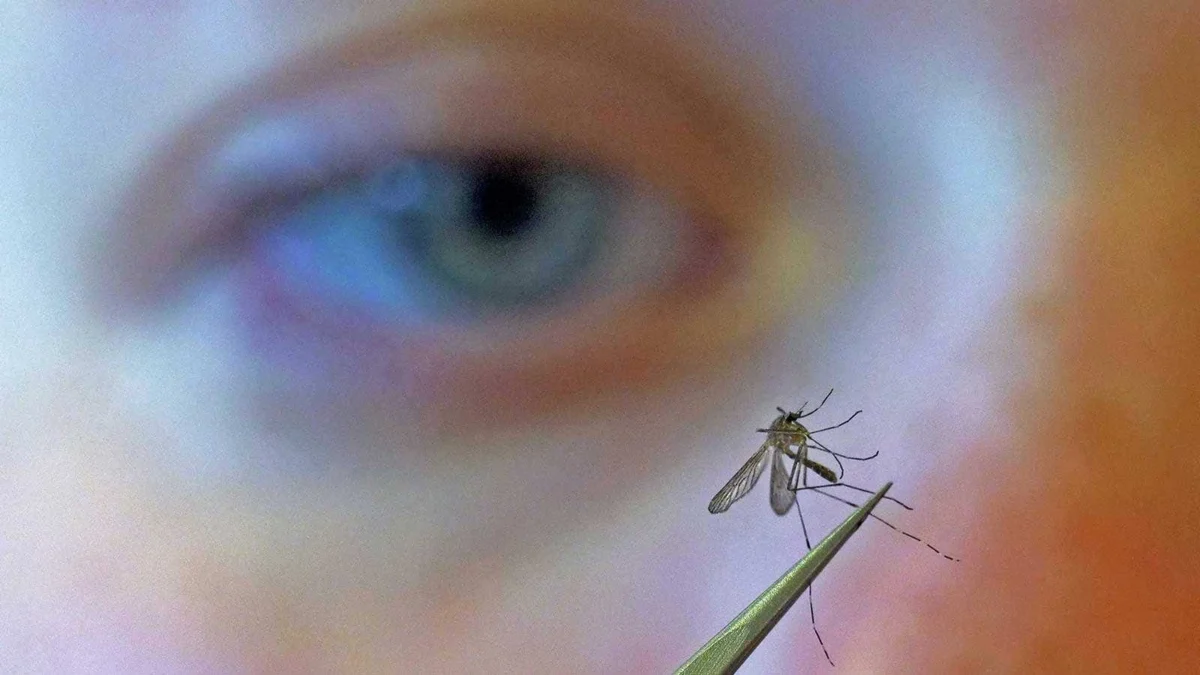
This chronology illustrates that while the virus is no longer "new," it remains a shifting target. The 2026 spike suggests that the virus may be finding more hospitable conditions earlier in the calendar year, likely due to warmer spring temperatures that extend the breeding season for the Culex mosquitoes that carry the pathogen.
Clinical Implications: Understanding the Silent Threat
One of the greatest challenges in tracking West Nile virus is the high rate of asymptomatic infection. Scientists estimate that tens of thousands of individuals are infected annually without ever realizing it. For the majority of those who do develop symptoms, the illness manifests as a mild, flu-like experience: headaches, body aches, joint pain, vomiting, diarrhea, or a transient rash.
However, for a subset of the population, the virus is anything but mild. In severe cases, the pathogen crosses the blood-brain barrier, leading to neuroinvasive disease. This can cause encephalitis (inflammation of the brain) or meningitis (inflammation of the membranes surrounding the brain and spinal cord).
The risk is not distributed equally. Adults over the age of 60, as well as individuals with compromised immune systems or underlying medical conditions such as diabetes, hypertension, or kidney disease, face a significantly higher probability of developing these life-threatening complications. The fact that 38 of the first 48 reported cases this year were classified as "severe" suggests that healthcare providers are seeing a higher proportion of high-risk patients falling ill early in the season.
Official Responses and Public Health Guidance
The CDC, alongside local health departments, is moving quickly to encourage community-level mitigation strategies. Dr. Erin Staples, a leading CDC expert on insect-borne diseases, emphasized that the current data is a critical call to action.
"These findings serve as an important reminder that mosquito season is well underway," Dr. Staples said. "As families gather outdoors to celebrate Independence Day, we encourage everyone to enjoy their holiday while taking simple steps to protect themselves and their loved ones from mosquito bites."
Practical Mitigation Strategies
Public health officials are pushing a three-pronged approach to individual protection:
- Chemical Deterrence: The use of EPA-registered insect repellents is paramount. Officials specifically recommend products containing DEET, Picaridin, or IR3535.
- Barrier Protection: Beyond repellent, wearing long-sleeved shirts and loose-fitting, light-colored clothing can create a physical barrier against bites. Furthermore, maintaining the integrity of window and door screens is essential to keeping indoor environments mosquito-free.
- Environmental Management: The "drain and cover" mantra is being reiterated by local authorities. Melissa Kretschmer, an official with the Maricopa County health department, noted that mosquito breeding sites are often found in the most mundane locations. "Even an overturned bottle cap can hold enough water for mosquitoes to breed," Kretschmer stated. "It’s important that we remove these breeding sources that can form after rain or watering plants."
Experts also advise the public to avoid outdoor activities during "peak hours"—typically at dusk and dawn—when the Culex mosquito species responsible for transmitting the virus is most active.
The Broader Context: Why Now?
The 2026 surge invites a broader discussion about environmental management and public health infrastructure. The rise in cases across 23 states suggests that the virus is not merely a regional problem, but a nationwide public health challenge that requires consistent surveillance.
Climate scientists have long noted that shifting seasonal patterns are expanding the range and activity period of disease-carrying insects. As spring begins earlier and autumn temperatures remain higher for longer durations, the window of time in which mosquitoes can replicate and transmit the virus increases. This lengthening of the "mosquito season" makes it more difficult for municipal mosquito-control programs to manage populations effectively.
Furthermore, the economic and social implications of a severe WNV season are profound. Beyond the direct medical costs associated with treating neuroinvasive cases—which often require lengthy hospital stays and intensive care—the psychological burden on communities in heavily affected areas can lead to a decline in outdoor recreational activity, affecting local economies.
As the summer of 2026 progresses, the primary focus for the CDC and state health agencies will be on early detection and rapid public communication. While the initial numbers are alarming, experts remain hopeful that widespread public adherence to prevention protocols can dampen the trajectory of the outbreak.
"We are at a point where individual actions collectively determine the scale of this season’s impact," said a spokesperson for the National Association of County and City Health Officials (NACCHO). "If we can eliminate breeding sites and use proper protection, we can shield the most vulnerable members of our communities from the worst of this virus."
For now, the message to the public is clear: be vigilant, protect yourself against bites, and remain aware of local public health advisories as the season continues to unfold. The record-breaking start to the 2026 season is a stark reminder that in the fight against vector-borne disease, constant vigilance is the best defense.