By Jonathan Gardner | July 1, 2026
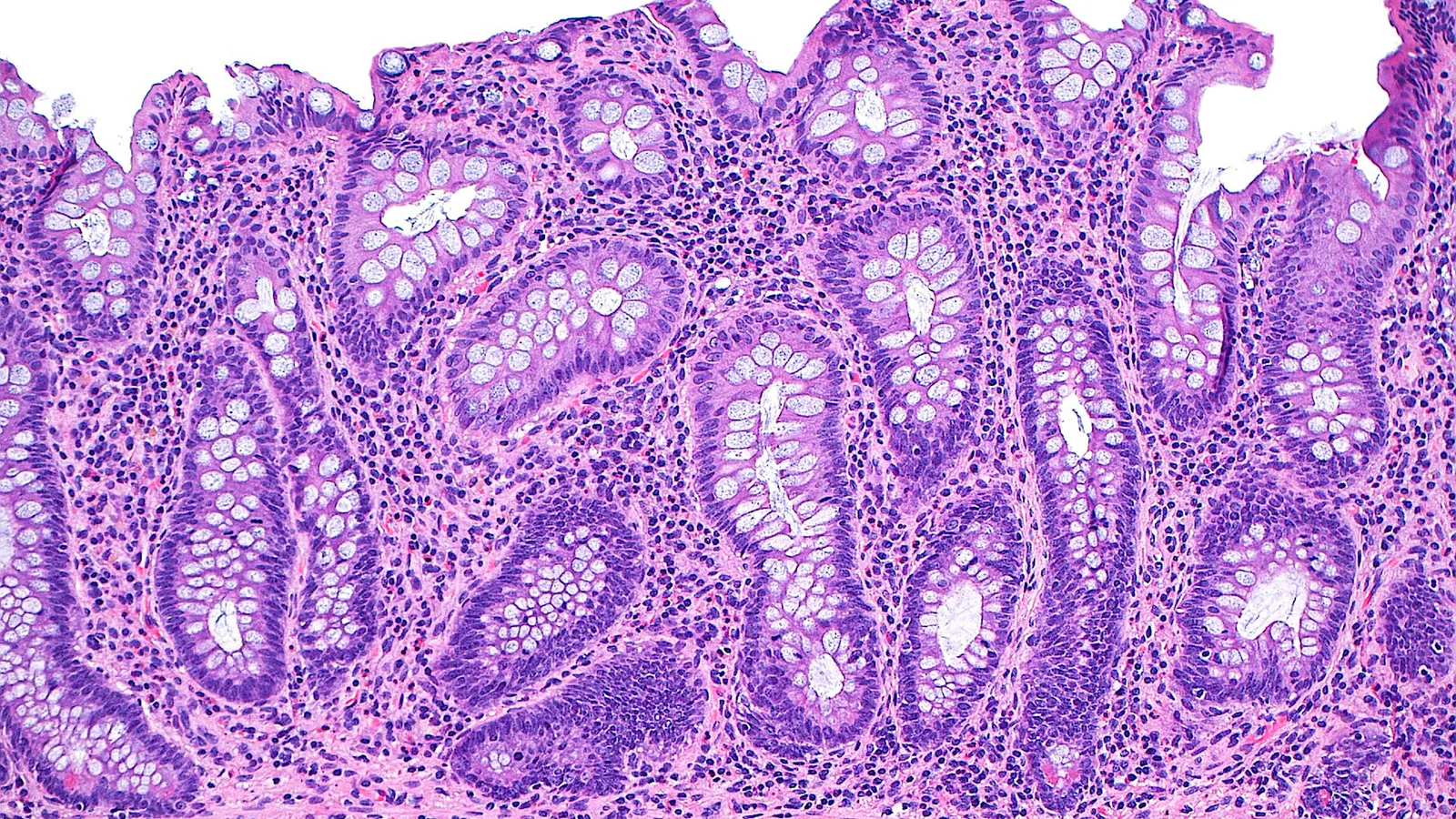
In a significant development for the inflammatory bowel disease (IBD) landscape, French biotechnology firm Abivax has provided fresh, reassuring data regarding its lead clinical candidate, obefazimod. The company announced that recent analyses of malignancy rates in its Phase 3 trials indicate that cancer occurrences are consistent with the "background" risk profiles of patients living with ulcerative colitis (UC). This clarification serves as a pivotal moment for the company, effectively neutralizing a safety concern that had recently rattled investor confidence and cast a shadow over the drug’s potential regulatory path.
The Core Conflict: Efficacy Versus Safety
Until mid-2026, Wall Street analysts had characterized obefazimod as a potential "best-in-disease" therapy. The drug, a small-molecule candidate, was positioned to offer a unique therapeutic profile: the convenience of an oral pill coupled with the high efficacy typically reserved for injectable biologics like Takeda’s Entyvio. Furthermore, clinicians hoped that obefazimod would avoid the cardiovascular and serious infection warnings associated with other oral competitors, such as AbbVie’s Rinvoq or Bristol Myers Squibb’s Zeposia.
However, the narrative shifted abruptly just last month when investigators monitoring the Phase 3 trial reported a small number of malignancy cases, specifically within the highest dose cohorts. The market reacted swiftly, leading to a sharp sell-off in Abivax shares. Investors feared that the appearance of these cases might necessitate restrictive labeling by the Food and Drug Administration (FDA) or, in a worst-case scenario, jeopardize the drug’s path to approval.
A Chronology of the Obefazimod Journey
The path to this week’s clarification has been marked by scientific evolution and high-stakes clinical rigor.
- 2014–2016: The HIV Origins: Abivax originally gained industry attention as a biotech firm focusing on novel antiviral therapies, specifically targeting HIV.
- 2017: The Strategic Pivot: Recognizing the potential of its lead compound, ABX464 (later rebranded as obefazimod), to modulate inflammatory pathways, the company pivoted its primary research focus toward ulcerative colitis.
- 2024–2025: Phase 3 Advancement: As the drug moved into late-stage clinical trials, excitement grew regarding its mechanism of action—specifically its ability to increase the expression of microRNA-124, which dampens the inflammatory response.
- June 2026: The "Cancer Scare": During the analysis of high-dose cohorts in the Phase 3 study, reports of malignancy triggered intense scrutiny from regulators and shareholders, temporarily stalling the company’s momentum.
- July 1, 2026: The Data Reconciliation: Abivax releases updated "exposure-adjusted incidence rates," effectively contextualizing the malignancy cases and aligning them with the expected baseline risk for the UC patient population.
Supporting Data: Contextualizing the Risk
The crux of Abivax’s defense lies in the distinction between "raw" incidence and "exposure-adjusted" incidence. Patients with ulcerative colitis are already at a statistically higher risk of developing colorectal cancer due to the nature of chronic intestinal inflammation. Furthermore, some existing IBD medications are known to cause photosensitivity, which can lead to an increased incidence of skin cancers.
Abivax’s latest update provided a comprehensive look at the "totality" of the safety data, spanning more than 1,700 patient-years of exposure. By normalizing the data against the established background risk of the UC population, the company demonstrated that obefazimod does not appear to increase the incidence of cancer beyond what would naturally occur in this patient demographic.
Thomas Smith, an analyst at Leerink Partners, reinforced this sentiment in a note to clients, stating that the updated metrics suggest there is no "real" malignancy signal above the baseline. This statistical reconciliation is expected to be the centerpiece of the company’s upcoming regulatory filings.

Scientific Innovation: The Mechanism of MicroRNA-124
To understand why the industry is so invested in obefazimod, one must look at how it functions. Unlike monoclonal antibodies or standard JAK inhibitors, obefazimod is a first-in-class small molecule that enhances the expression of microRNA-124.
This specific microRNA acts as a "master regulator" of the inflammatory response. By boosting its expression, the drug reduces the production of pro-inflammatory cytokines, effectively "quieting" the biological signals that lead to the gut damage characteristic of ulcerative colitis. This mechanism is distinct from existing treatments, potentially offering a safer profile for long-term use. Because the drug modulates a natural biological signal rather than broadly suppressing the immune system, it was hoped that it would avoid the "black box" warnings that have plagued other chronic IBD treatments.
Implications for the Future
1. Regulatory Path to the FDA
With the safety concern addressed, Abivax is now firmly on track to submit its New Drug Application (NDA) to the FDA by the end of 2026. The clarity provided by the latest safety analysis is expected to streamline the review process, as the company can now present a robust safety package that directly addresses the "malignancy" query that regulators would have inevitably raised.
2. Market Dynamics and Competition
The inflammatory bowel disease market is highly competitive, currently dominated by large-cap pharmaceutical companies. However, the patient population remains underserved, with many patients failing to achieve long-term remission with current therapies. If approved, obefazimod would occupy a "sweet spot" in the treatment algorithm—an oral medication with the potency of a biologic, providing a convenient alternative for patients who wish to avoid needles.

3. The Big Pharma Acquisition Prospect
The successful resolution of the safety signal has renewed speculation regarding the company’s independence. For months, rumors have circulated that Abivax could be a prime acquisition target for larger pharmaceutical firms looking to bolster their immunology pipelines. While CEO leadership has previously dismissed "market noise" regarding potential bids, the company’s recent financing activities—which included a stock offering to fund the commercialization of obefazimod—suggest that they are preparing for a long-term future, either as a standalone commercial entity or as a highly attractive asset for a larger suitor.
4. Patient and Physician Outlook
For the IBD community, the news is a significant relief. Patients suffering from chronic, debilitating symptoms of ulcerative colitis often face a difficult trade-off between drug efficacy and long-term safety risks. If the final label for obefazimod reflects the current data—showing that it does not exacerbate the underlying cancer risk—it could quickly become a preferred first-line or second-line treatment option for gastroenterologists.
Conclusion
Abivax has successfully navigated one of the most treacherous obstacles in drug development: the emergence of an unexplained safety signal in late-stage trials. By conducting a deep-dive analysis and transparently communicating the context of the malignancy findings, the company has restored investor confidence and, more importantly, cleared a path toward providing patients with a much-needed therapeutic option.
As the company pivots toward its year-end FDA submission, the focus will now shift from crisis management to commercial readiness. Whether Abivax eventually enters the market on its own or as part of a larger pharmaceutical portfolio, the success of obefazimod will likely serve as a case study in the importance of robust, context-aware clinical data analysis in the modern biotech era. For now, the "background risk" argument has proven sufficient to hold the line, ensuring that the development of this promising, first-in-class molecule continues unabated.