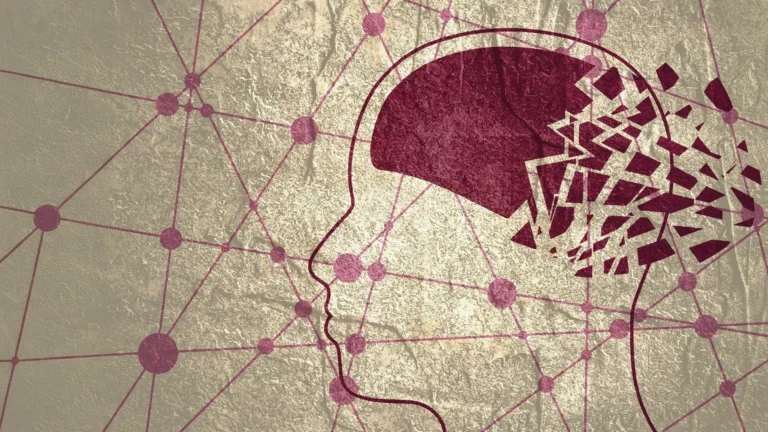









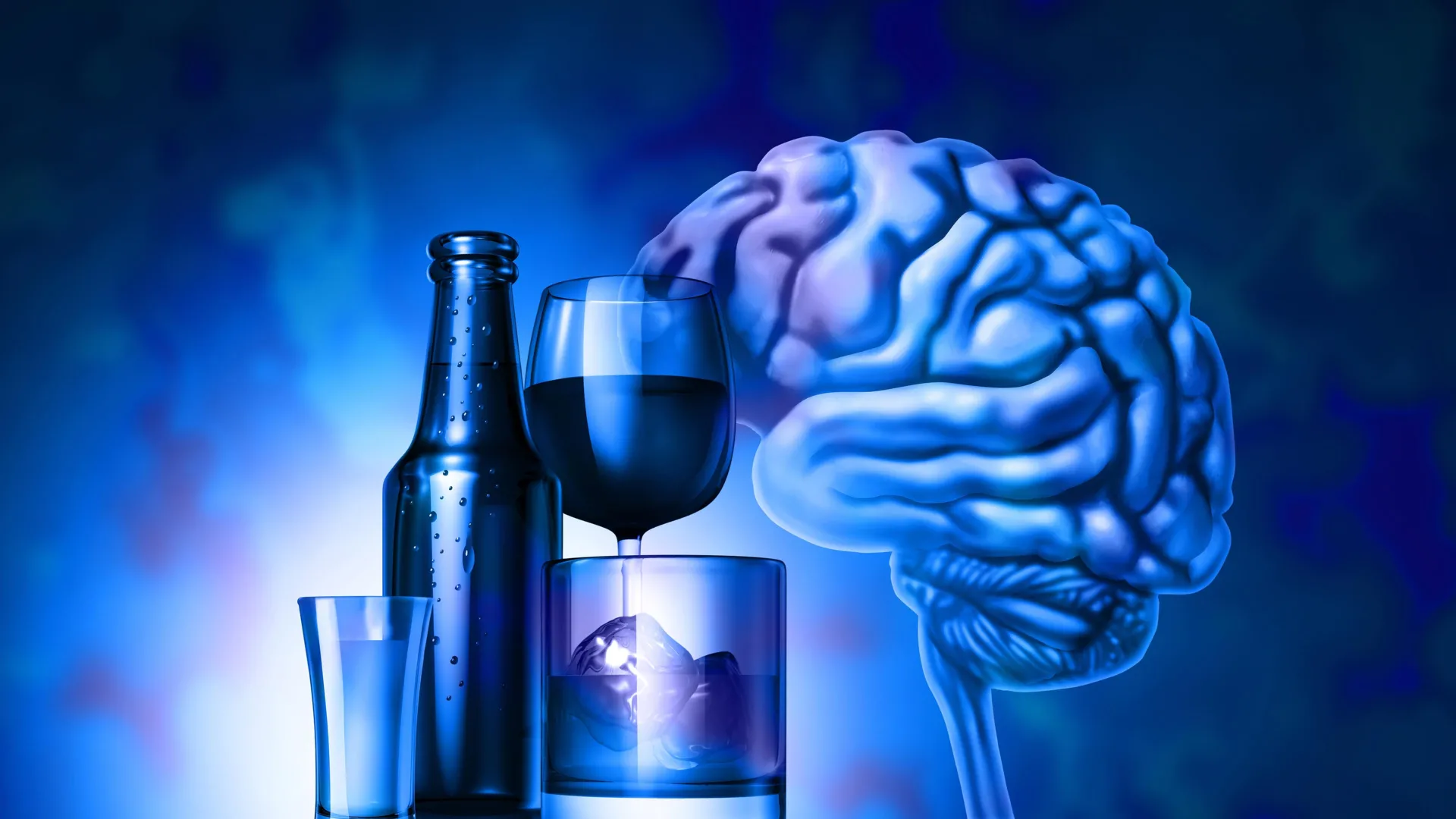
For many, a glass of wine or a cocktail after a high-pressure workday is a ritualized attempt to decouple from the stresses of modern life. However, groundbreaking new research from the University of Massachusetts Amherst suggests that this coping mechanism—particularly when adopted in early adulthood—may be etching invisible, permanent scars into the brain’s architecture.
A study published in the journal Alcohol Clinical and Experimental Research indicates that the combination of stress and alcohol consumption during young adulthood triggers long-term neurological shifts. These changes do not merely vanish with sobriety; they persist into middle age, manifesting as diminished cognitive flexibility, an increased vulnerability to relapse, and a potential precursor to the cognitive decline associated with dementia and Alzheimer’s disease.
Main Facts: The Lingering Impact of Early Habits
The core finding of the UMass Amherst study is that the brain does not treat stress and alcohol as independent variables. Instead, they act as a synergistic force that recalibrates neural circuitry in a way that lingers for decades.
While the brain is often lauded for its plasticity—the ability to adapt and rewire—this study suggests a "point of no return" regarding how it handles high-stress environments after years of alcohol-assisted coping. The research highlights that even after long periods of abstinence, the brain of a middle-aged individual who engaged in heavy stress-drinking during their twenties remains physiologically altered.
The most significant impairment identified is not in rote learning or memory, but in "cognitive flexibility"—the ability to pivot one’s strategy when environmental circumstances change. When an individual loses this flexibility, they become trapped in rigid behavioral loops, making them more likely to return to alcohol as a primary coping mechanism when they encounter new, inevitable stressors in middle age.
Chronology of the Research: From Laboratory to Discovery
The investigation, supported by the National Institute on Alcohol Abuse and Alcoholism (NIAAA), utilized a longitudinal model in mice, whose brain circuits for decision-making and stress response share striking biological similarities with humans.
Phase 1: Establishing the Baseline
Researchers began by observing the behavioral patterns of mice during what would be equivalent to "early adulthood" in human development. The mice were subjected to chronic stress and provided with access to alcohol as a coping mechanism. This stage was designed to mirror the common human cycle where alcohol is used to temporarily dampen the physiological "fight or flight" response triggered by chronic stress.
Phase 2: The Period of Abstinence
After the initial exposure, the research team introduced a long period of forced abstinence. The goal was to determine if the brain’s neural pathways would "reset" once the alcohol was removed. In many biological systems, the body possesses a remarkable ability to heal; however, the researchers found that this was not the case for the circuits governing decision-making.
Phase 3: Testing in Middle Age
As the mice reached middle age, researchers reintroduced stressors to see how the subjects would respond. The results were stark: the subjects with a history of stress-drinking were significantly more likely to return to alcohol consumption than those who had not engaged in such habits, even though they had been sober for a significant portion of their lives.
Supporting Data: Examining the Locus Coeruleus
To understand the "why" behind these persistent behavioral changes, the team focused on the locus coeruleus (LC), a small but critical cluster of neurons in the brainstem. The LC is the brain’s primary source of norepinephrine, a neurotransmitter that regulates arousal, attention, and the ability to adapt to new information.
In a healthy, functioning brain, the LC activates during a stressful event to help the individual stay alert and make decisions, then powers down once the threat has passed. The study found that in the brains of mice exposed to the combination of stress and alcohol, this "off-switch" was essentially broken.
Key findings regarding the LC included:
- Molecular Disruption: The LC lost the molecular machinery necessary to modulate its own activity, meaning the brain remained in a state of chronic, low-level stress-reactivity.
- Oxidative Stress: The researchers identified high levels of oxidative stress within the LC. This form of cellular damage is a hallmark of neurodegenerative conditions like Alzheimer’s.
- Lack of Recovery: Even after prolonged periods of abstinence, the cellular architecture of the LC showed little to no signs of regeneration, suggesting that the damage is structural rather than purely chemical.
Official Responses and Expert Perspective
Dr. Elena Vazey, associate professor of biology at UMass Amherst and the senior author of the study, views these findings as a necessary pivot point for the field of addiction medicine.
"We all know that drinking can often lead to poor decision-making," Dr. Vazey stated. "But we wondered how early adulthood drinking combined with stress affects that circuitry, especially as we grow older. If we can figure out how alcohol and stress change the brain’s circuitry, then we can help figure out how best to help people."
Dr. Vazey emphasizes that these findings challenge the common societal narrative that addiction or the inability to handle stress is purely a matter of "willpower." By identifying that the brain’s physical wiring has been altered by past experiences, the research suggests that standard talk therapy or simple self-control exercises may be insufficient for individuals with long-term cognitive changes.
"After a history of stress and drinking, the brain simply works differently," she noted. "Our treatment strategies need to be able to address these long-lasting differences."
Implications for Public Health and Clinical Practice
The implications of this research are far-reaching, particularly in how we approach both addiction recovery and geriatric care.
Rethinking Addiction Treatment
Current addiction treatments often focus on acute detoxification and the immediate psychological triggers for drinking. The UMass study suggests that recovery must also address the "hidden" cognitive impairments that remain long after the alcohol is gone. If an individual has lost the cognitive flexibility required to navigate stress without falling back into old patterns, they may need medical or neuro-rehabilitative support that goes beyond traditional behavioral counseling.
The "Dementia Connection"
Perhaps the most sobering implication is the link between early-life alcohol use and the eventual onset of dementia. By highlighting how the combination of stress and alcohol accelerates the same cellular damage found in Alzheimer’s patients, the study provides a new diagnostic lens. Clinicians might eventually be able to screen patients with a history of chronic early-adulthood stress-drinking for early signs of cognitive rigidity, potentially intervening before those signs progress into full-blown cognitive decline.
Moving Beyond Willpower
For the general public, the study serves as a scientific cautionary tale. It underscores that "getting through" a stressful phase of life with the help of alcohol is not a neutral act. It is a biological transaction that the brain may be forced to pay for years later. As medical science begins to understand the specific molecular pathways damaged by this cycle, the future of treatment may involve neuro-protective therapies designed to "repair" the locus coeruleus or bolster the brain’s ability to manage oxidative stress.
In conclusion, the UMass Amherst study shifts the conversation from a moralistic view of substance use to a biological one. It reveals that the brain is a record-keeper of our life’s stresses and our attempts to cope with them. By acknowledging that these records are written in the physical structure of our neural circuits, we can move toward more compassionate, evidence-based treatments that prioritize long-term brain health over short-term symptom management. The path forward lies in understanding that for the brain, the past is never truly in the past—it is built into the very architecture of our future decision-making.