









In the complex landscape of geriatric medicine, one of the most persistent challenges is the body’s declining ability to heal. For older adults, a minor surgical incision or a simple scrape can transform into a prolonged, complicated medical event. However, a groundbreaking study published in Aging (Aging-US) has unveiled a potential solution hidden within the biological debris of the skin itself. Researchers at the Boston University Aram V. Chobanian and Edward Avedisian School of Medicine have successfully utilized a "senolytic" drug—a compound designed to eliminate "zombie cells"—to significantly accelerate wound healing in aged tissue.
This discovery marks a pivotal shift in how we approach the biology of aging. By targeting the accumulation of senescent cells, scientists are moving beyond traditional wound care toward a future where we can proactively "rejuvenate" skin to ensure it responds to injury with the vigor of youth.
The Biological Barrier: Understanding Senescence
To understand the significance of this research, one must first understand the "zombie cell" phenomenon. As organisms age, their cellular machinery begins to fray. Typically, cells that become damaged or reach the end of their functional lifespan undergo a process called apoptosis—a controlled, orderly "self-destruct" sequence that allows the body to recycle components and maintain tissue integrity.
However, in aging skin, this process often falters. Instead of dying, these cells enter a state of senescence. These "zombie cells" remain metabolically active but functionally inert. They no longer divide or contribute to healthy skin architecture; instead, they persist in the tissue, secreting a cocktail of inflammatory proteins and signaling molecules known as the Senescence-Associated Secretory Phenotype (SASP).
This persistent, low-level inflammation acts as a biological anchor, dragging down the efficiency of surrounding healthy cells. When an injury occurs, the skin’s repair pathways—which rely on rapid, coordinated communication between cells—are stifled by this "noise" of inflammatory signals. The result is delayed wound closure, increased risk of infection, and poor tissue remodeling.
Chronology of the Discovery
The path to these findings was paved by a multidisciplinary team including Maria Shvedova, Rex Jeya Rajkumar Samdavid Thanapaul, Joy Ha, Jannat Dhillon, Grace H. Shin, Jack Crouch, Adam C. Gower, Sami Gritli, and Daniel S. Roh.
The Experimental Framework
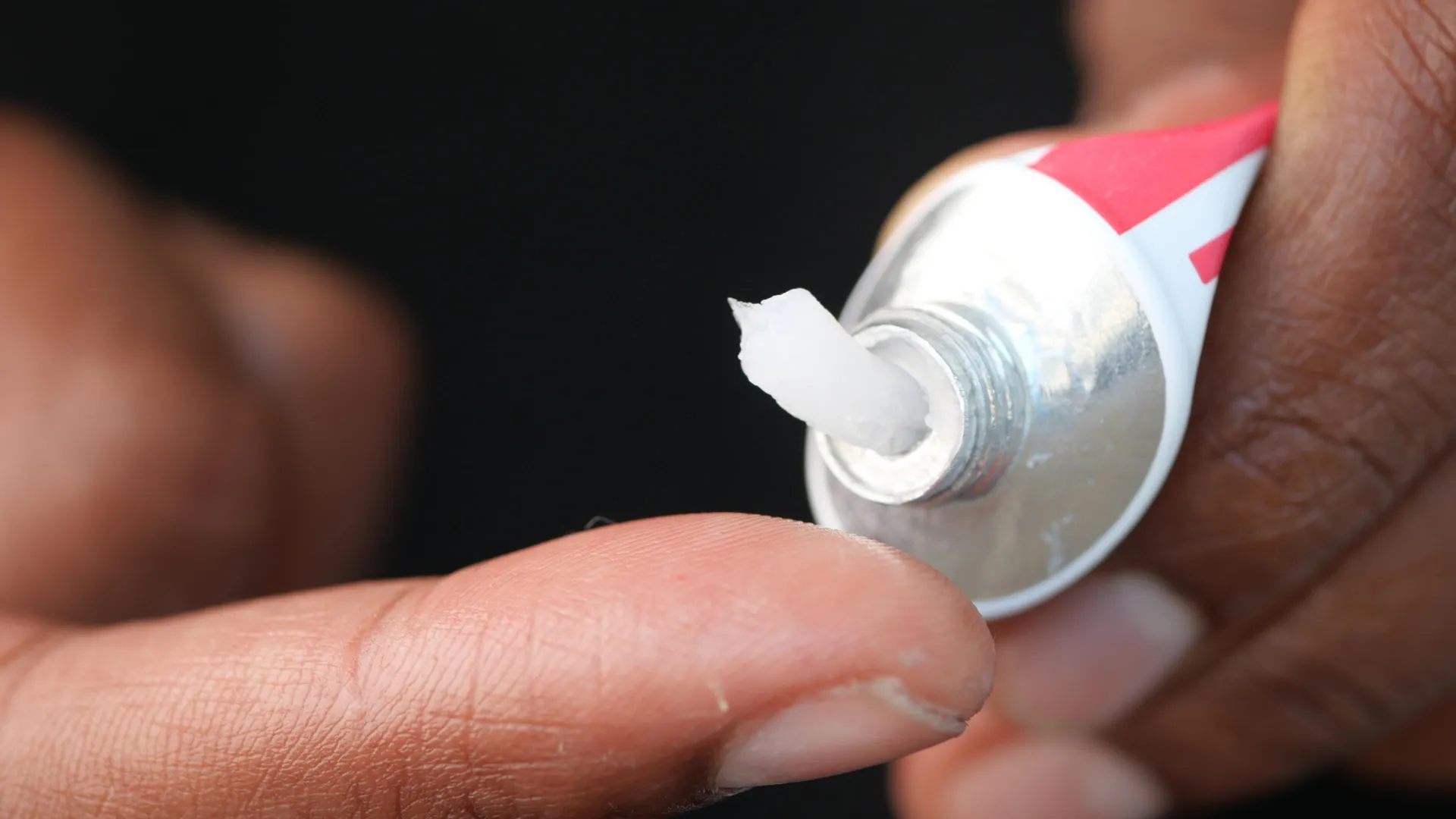
The researchers focused on ABT-263, a potent senolytic agent. While previous studies have explored the systemic use of senolytics, this research team hypothesized that a topical application would be far more effective for skin-specific issues, as it avoids the potential systemic side effects associated with oral administration.
- The Baseline (Pre-2024): Preliminary investigations established that senescent cell burden is significantly higher in aged mice compared to their younger counterparts.
- The Intervention (2024 Study): Aged mice were treated with topical ABT-263 for a five-day duration. The goal was to clear the senescent burden without causing widespread toxicity.
- The Observation: Following the application, the researchers introduced small wounds to the treated skin. The results were stark. By day 24, an impressive 80% of the treated mice had achieved full wound closure, compared to just 56% in the control group.
- Recent Developments (2025–2026): The field has since expanded. A 2025 review in Ageing Research Reviews solidified the consensus that senolytics are key to addressing skin-related pathologies. By 2026, researchers began applying these principles to diabetic wound healing, utilizing specialized dressings to deliver ABT-263, proving that the concept of localized senolysis is highly adaptable to complex medical conditions.
Supporting Data: A Surprising Healing Boost
One of the most counterintuitive findings of the 2024 study was the role of inflammation. Historically, clinical wisdom dictates that inflammation is a hurdle to be cleared. However, the researchers discovered that the topical application of ABT-263 triggered a transient, localized burst of inflammation.
Rather than being detrimental, this "controlled spark" acted as a biological reset button. It stimulated dormant pathways essential for tissue repair, including:
- Enhanced Collagen Synthesis: The essential structural protein required for skin strength.
- Angiogenesis: The growth of new blood vessels, which are critical for delivering oxygen and nutrients to the wound site.
- Tissue Remodeling: Improved organization of the extracellular matrix, ensuring that the healed skin is not just closed, but structurally sound.
Furthermore, the study noted that the treatment showed minimal impact on young mice. This is a crucial finding, as it suggests that the drug is "context-dependent"—it primarily targets the excessive burden of zombie cells found in aged tissue, leaving healthy, young tissue largely undisturbed.
Official Responses and Clinical Implications
The implications of this research for preoperative care are profound. In current clinical practice, surgeons often worry about the "healing capacity" of older patients, particularly those with comorbidities.
"Our study underscores the potential of topical senolytic treatments to enhance wound healing in aging skin, presenting a potentially promising strategy for preoperative care," the researchers stated. The vision is that, in the future, patients could undergo a brief course of topical treatment prior to elective surgeries. By "priming" the skin, doctors could significantly reduce the risk of surgical site infections, dehiscence (wound reopening), and chronic non-healing ulcers.
The Nuance of the "Zombie Cell"
While the research is promising, the scientific community remains cautious. A 2024 review in Frontiers in Immunology provided essential context: not all senescent cells are purely detrimental. In the very early stages of a fresh wound, some level of senescence is actually a natural part of the inflammatory response that helps kickstart the healing process.
The challenge, therefore, lies in precision. The goal is not to eradicate every senescent cell in the human body, but to clear the "persistent" senescent cells that have outstayed their welcome and are actively hindering repair. It is a delicate balance of timing and dosage.
Future Directions: From Bench to Bedside
As the research moves forward, several key questions remain to be answered:
- Human Clinical Trials: While the mouse models have been successful, human skin possesses different thickness, vascularity, and immune profiles. Trials are needed to determine if the same molecular pathways are activated in human volunteers.
- Long-Term Safety: Does frequent application of ABT-263 lead to any unforeseen skin sensitivity or long-term depletion of necessary cell populations?
- Delivery Mechanisms: While a simple topical cream was effective in the study, future applications may involve sophisticated hydrogels or "smart" dressings—such as those explored in the 2026 diabetic wound study—that release the drug only when they sense the chemical signals of senescent cell activity.
- Chronic Wound Management: Beyond surgery, the potential for treating diabetic ulcers, venous stasis ulcers, and pressure sores is immense. These conditions are notoriously difficult to treat and represent a significant burden on the healthcare system.
Conclusion: A New Era of Geriatric Dermatology
The research conducted by the team at Boston University represents a beacon of progress in the field of geroscience. By viewing the skin not as a static barrier but as a dynamic organ that can be tuned and optimized, scientists are shifting the paradigm from managing the inevitable decline of aging to actively intervening in its biological processes.
While we are not yet at the stage of "anti-aging" skin creams that can turn back the clock entirely, we are firmly on the path toward clinical tools that can make the aging process safer. For the millions of older adults who face the prospect of surgery or the reality of chronic wounds, this work offers more than just hope—it offers a scientifically grounded roadmap toward a future where our skin remains resilient, no matter how many candles are on our birthday cake.
As we look toward the next decade of research, the integration of senolytics into standard dermatological practice may well become one of the most significant advancements in geriatric medicine, effectively silencing the "zombie cells" and allowing the body’s innate healing wisdom to take center stage once again.