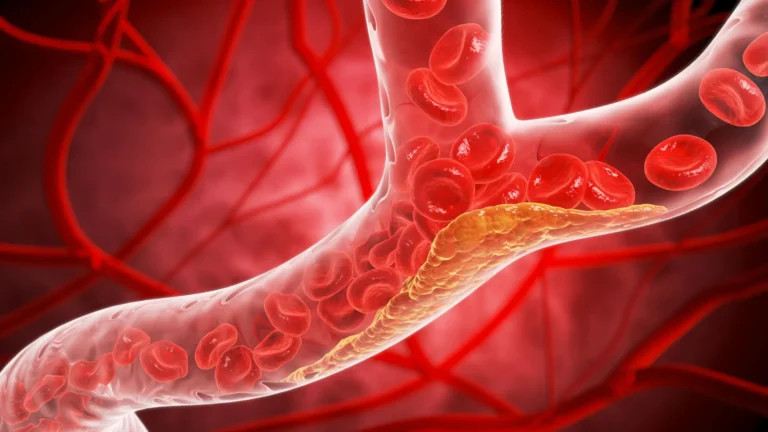












In a groundbreaking study that could fundamentally reshape how clinicians approach pain management, researchers have identified a significant, long-term correlation between chronic pain and the development of hypertension. The findings, published today (November 17) in the American Heart Association’s journal Hypertension, suggest that the physical and psychological burden of persistent pain may be a silent driver of cardiovascular disease.
By analyzing data from over 200,000 U.S. adults, researchers have discovered that the scope and location of pain are critical predictors of future cardiovascular risk. Most notably, the study highlights a "domino effect" wherein chronic pain facilitates the onset of depression, which subsequently elevates the risk of high blood pressure.
The Magnitude of the Crisis: Understanding the Hypertension Epidemic
To grasp the gravity of these findings, one must first understand the landscape of cardiovascular health in the United States. High blood pressure, or hypertension, remains the leading cause of death both nationally and globally. According to the 2025 joint guidelines issued by the American Heart Association (AHA) and the American College of Cardiology (ACC), nearly half of all U.S. adults are currently living with hypertension—defined as blood pressure readings of 130/80 mm Hg or higher.
When blood exerts excessive force against arterial walls, it causes systemic damage, drastically increasing the probability of catastrophic events such as heart attacks and strokes. Given that chronic musculoskeletal pain—affecting the back, neck, shoulders, hips, and knees—is the most prevalent form of long-term discomfort in the general population, the intersection of these two conditions represents a major public health concern.
Research Methodology: A 13.5-Year Longitudinal Evaluation
The study, led by Dr. Jill Pell, the Henry Mechan Professor of Public Health at the University of Glasgow, represents one of the most comprehensive investigations into the link between pain distribution and blood pressure. The research design was robust, tracking participants over an average of 13.5 years to observe long-term health trajectories.
Data Collection and Participant Profiling
Participants were screened using a baseline questionnaire that categorized their pain experience. To qualify, individuals had to report pain that significantly interfered with their daily activities. The researchers mapped the specific location of this discomfort:
- Localized Pain: Head, face, neck, shoulders, back, stomach/abdomen, hips, or knees.
- Widespread Pain: Discomfort felt across the entire body.
- Duration: Participants identified whether their pain symptoms had persisted for more than three months, the clinical threshold for a chronic pain diagnosis.
Assessing Psychosocial and Biological Markers
Beyond pain location, the researchers sought to quantify the "why" behind the hypertension link. They utilized two specific metrics to test for mediating factors:
- Depression: Measured through standardized assessments focused on mood, disinterest, restlessness, and lethargy over a two-week period.
- Systemic Inflammation: Analyzed via blood tests looking for C-reactive protein (CRP), a well-established biomarker for inflammation in the body.
Key Findings: The "Widespread" Danger
The study’s data revealed a clear, dose-dependent relationship between pain and blood pressure. Individuals who reported widespread chronic pain—discomfort affecting multiple regions of the body simultaneously—showed a significantly higher probability of developing high blood pressure compared to those who reported no pain, transient short-term discomfort, or pain limited to a single region.
"The more widespread their pain, the higher their risk of developing high blood pressure," Dr. Pell noted. The researchers discovered that the relationship is not purely physical; rather, it is heavily mediated by mental health. The presence of chronic pain creates a psychological toll that manifests as depression, which in turn acts as a physiological catalyst for hypertension. This discovery points toward a potential therapeutic shift: if clinicians can identify and treat depression in patients with chronic pain early, they may be able to intercept the progression toward heart disease.
Expert Perspectives: A Call for Integrated Care
The medical community has long recognized that acute pain can cause a temporary spike in blood pressure. However, the mechanism of chronic pain’s long-term impact on the cardiovascular system has remained poorly understood—until now.
Dr. Daniel W. Jones, chair of the 2025 AHA/ACC High Blood Pressure Guideline and dean emeritus of the University of Mississippi School of Medicine, described the study as a "critical addition" to the current body of cardiovascular research.
"It is well known that experiencing pain can raise blood pressure in the short term, however, we have known less about how chronic pain affects blood pressure," said Dr. Jones. "This study adds to that understanding, finding a correlation between the number of chronic pain sites and that the association may be mediated by inflammation and depression."
The "Pain Medication" Paradox
A significant takeaway from the expert commentary involves the management of pain itself. Dr. Jones highlighted a cautionary note regarding the use of Nonsteroidal Anti-Inflammatory Drugs (NSAIDs), such as ibuprofen. While these medications are the frontline treatment for many chronic pain conditions, they are also known to potentially elevate blood pressure.
"Chronic pain needs to be managed within the context of the patients’ blood pressure, especially in consideration of the use of pain medication that may adversely affect blood pressure," Dr. Jones advised. This creates a challenging paradox for physicians: the medication intended to treat the pain may, in some instances, exacerbate the secondary cardiovascular risk.
Clinical Implications: A New Diagnostic Pathway
The implications for primary care providers are immediate. When a patient presents with chronic pain, the clinical focus must expand beyond the site of the discomfort.
- Multidisciplinary Screening: Healthcare workers should be trained to screen for depression in patients with chronic pain, as this represents a primary pathway to hypertension.
- Proactive Blood Pressure Monitoring: Patients with widespread or long-standing pain should be flagged for more frequent cardiovascular checkups.
- Integrated Treatment Plans: Management should involve a combination of pain specialists, mental health professionals, and cardiologists to ensure that pain management strategies do not inadvertently jeopardize cardiovascular health.
As Dr. Pell emphasized, "When providing care for people with pain, health care workers need to be aware that they are at higher risk of developing high blood pressure, either directly or via depression. Recognizing pain could help detect and treat these additional conditions early."
Limitations and Future Directions
While the study offers a compelling narrative, the researchers were transparent about its limitations. The participant pool primarily consisted of middle-aged and older adults of British origin, meaning the findings may not be fully representative of younger populations or diverse racial and ethnic groups with different genetic and environmental stressors.
Furthermore, the study relied on self-reported pain assessments, a single baseline measurement, and clinical diagnostic coding. Because of these variables, Dr. Jones and other experts are calling for randomized controlled trials to further investigate the causal nature of these relationships. Future research must also explore how specific pain management interventions—such as physical therapy, cognitive behavioral therapy (CBT), or non-pharmacological pain relief—impact blood pressure outcomes over time.
Conclusion: A Holistic Vision for Heart Health
The research published in Hypertension serves as a stark reminder that the body does not function in silos. Chronic pain is not merely a localized physical sensation; it is a systemic experience that impacts the heart, the brain, and the vascular system.
By identifying the role of depression and inflammation as bridges between chronic pain and hypertension, the study empowers clinicians to look at the "whole patient." As we move forward, the integration of mental health support into chronic pain treatment plans may become as vital to cardiovascular health as diet and exercise. The path to a healthier heart, it seems, starts with listening to the pain—and treating the person behind it.