In a significant breakthrough that could reshape the pharmacological landscape of cardiovascular health, researchers at UT Southwestern Medical Center have identified a previously unrecognized protein, HELZ2, that acts as a primary control switch for how the liver secretes cholesterol-carrying particles into the bloodstream. This discovery, published in the American Heart Association’s flagship journal Circulation, offers a sophisticated new understanding of lipid metabolism and provides a potential therapeutic roadmap for treating both heart disease and metabolic liver conditions.
The Architecture of Lipid Transport
To understand the gravity of the UT Southwestern discovery, one must first understand the "logistics" of human metabolism. The liver functions as the body’s central distribution hub for fats and cholesterol. To transport these hydrophobic substances through the aqueous environment of the blood, the liver packages them into lipoproteins.
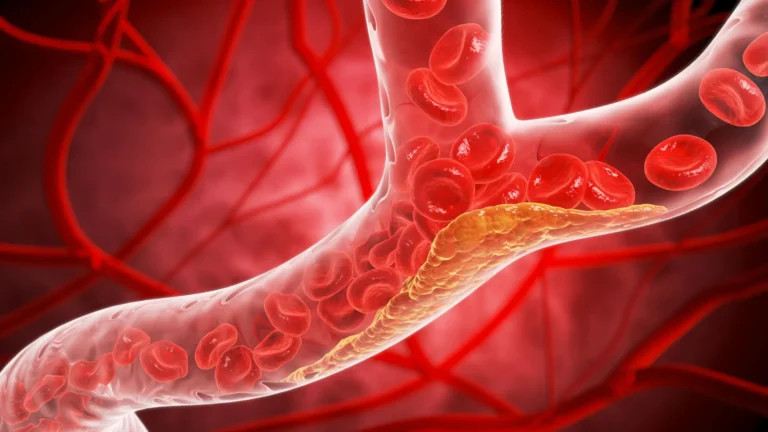
Central to this packaging process is a protein known as apolipoprotein B (apoB). Without apoB, the liver cannot assemble the lipoproteins necessary to export cholesterol and triglycerides. These lipoproteins—most notably LDL, or "bad" cholesterol—are the primary culprits in the formation of arterial plaque. For decades, medicine has focused on the end-game of this process: using statins to inhibit the liver’s cholesterol synthesis or using PCSK9 inhibitors to help the liver clear LDL from the blood.
The research led by Dr. Zhao Zhang, Assistant Professor in UT Southwestern’s Center for the Genetics of Host Defense and Internal Medicine, shifts the focus from the "finished product" to the "blueprint." By identifying HELZ2, the team has found the molecular mechanism that dictates whether the liver’s cholesterol factory remains open or closes its doors.
Chronology of Discovery: From Genetic Screening to Molecular Insight
The path to this discovery was not linear; it began with the sophisticated genetic screening infrastructure established by Nobel laureate Dr. Bruce Beutler, Director of the Center for the Genetics of Host Defense.
The Initial Observation
The research journey began with a curious observation in mice. Scientists noticed an anomaly: certain mice exhibited unusual fat accumulation in their livers while simultaneously showing paradoxically low levels of cholesterol in their bloodstream. In the world of metabolic biology, these two phenomena are often inversely related, but the mechanism driving this specific trade-off remained a mystery.
The Genetic Hunt
Using the large-scale genetic screening platform developed by Dr. Beutler—a system that allows researchers to observe the phenotypic effects of specific gene mutations—the team performed a deep dive into the mice’s genetic code. They identified a "gain-of-function" mutation in the gene encoding the HELZ2 protein.
Verifying the Mechanism
Once the mutation was isolated, the team turned their attention to the cellular level. They discovered that HELZ2 does not act on the apoB protein itself, but rather on the messenger RNA (mRNA) that carries the instructions to build it. By shortening the lifespan of APOB mRNA, HELZ2 effectively silences the production line before it starts. When HELZ2 activity is high, the "message" for apoB is degraded rapidly, leading to a significant decrease in the number of lipoprotein particles released into the circulatory system.
Supporting Data: The Biological Balancing Act
The data provided by the UT Southwestern team reveals a delicate, high-stakes equilibrium. By modulating HELZ2 levels in animal models, the researchers were able to demonstrate a "dial effect."
The "Dial" Mechanism
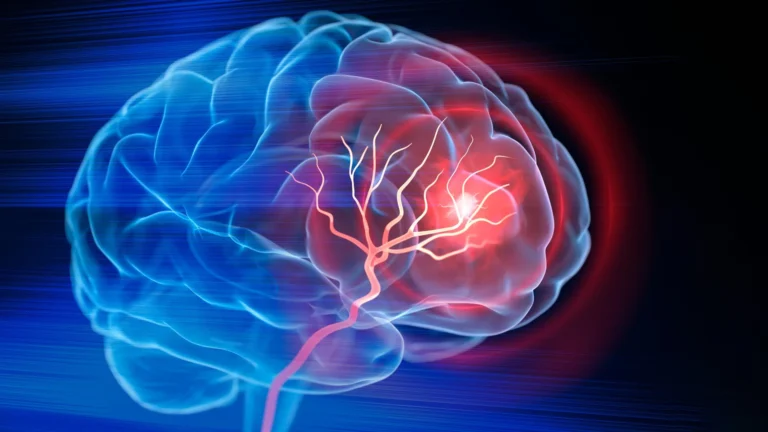
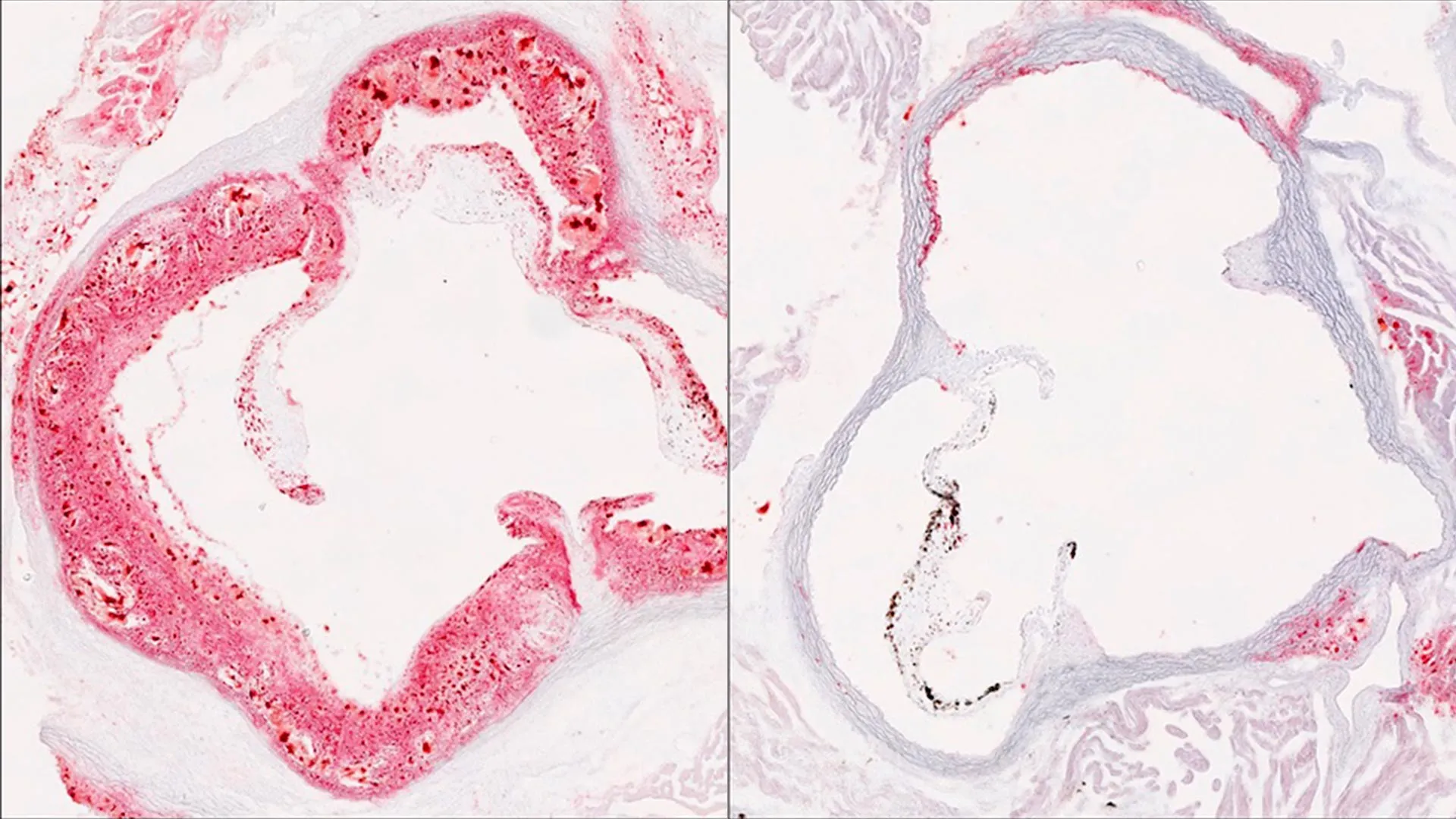
- Turning the Dial Up: When HELZ2 activity is increased, the liver produces fewer lipoproteins. This results in lower serum cholesterol and triglycerides, providing a robust protective effect against atherosclerosis—the hardening and narrowing of arteries that leads to heart attacks and strokes.
- Turning the Dial Down: Conversely, when HELZ2 activity is suppressed, the liver increases the production of lipoproteins. While this clears the liver of fat, it floods the bloodstream with cholesterol, increasing the risk of cardiovascular events.
This trade-off is the crux of the discovery. It suggests that the liver and the bloodstream are in a constant tug-of-war over lipid distribution. The researchers note that this finding explains why some metabolic interventions—while effective for the heart—may inadvertently exacerbate conditions like Non-Alcoholic Fatty Liver Disease (NAFLD).
Official Responses: A New Paradigm in Cardiovascular Medicine
The significance of this study is underscored by the reaction of the scientific community and the lead researchers involved.
"Most previous research focused on what happens to apoB after it’s already made," noted Dr. Yiao Jiang, a postdoctoral researcher in the Zhang Lab and a co-author of the study. "What surprised us is that HELZ2 acts much earlier, by controlling how long the apoB ‘message’ survives before the protein is even produced."
Dr. Zhao Zhang emphasized the paradigm shift this represents: "The idea that we can control apoB at the RNA level represents a major shift in how we think about cholesterol regulation. It gives us a new molecular lever—and potentially a new set of tools—for tackling these conditions."
The study also benefits from the expertise of Dr. Bruce Beutler, who remains a central figure in immunology and genetics. His role in providing the genetic screening platform was instrumental in identifying HELZ2, a protein that had previously been overlooked in the context of cardiovascular metabolic regulation.
Implications for Future Therapeutics
The identification of HELZ2 as a regulatory protein opens several avenues for pharmaceutical innovation that could surpass current standards of care.
Beyond Statins
Statins are a marvel of 20th-century medicine, but they are not a panacea. Many patients experience side effects, and others have cholesterol levels that remain refractory to statin therapy. Because HELZ2 acts at the genetic instruction level (mRNA degradation) rather than the enzymatic level (HMG-CoA reductase inhibition), it represents an entirely new "molecular lever."
Drugs that could precisely modulate HELZ2 activity might offer:
- Synergistic Therapy: A combination of existing statins and HELZ2-modulating agents could potentially allow for lower doses of statins, reducing patient side effects while achieving superior cholesterol reduction.
- Targeting Fatty Liver Disease: Because the study highlights the "dial" between the liver and the blood, researchers believe it may be possible to develop therapies that promote the removal of fat from the liver without dumping that fat into the bloodstream as cholesterol.
- Precision Medicine: Genetic testing for HELZ2 activity levels could eventually allow clinicians to tailor lipid-lowering strategies to an individual’s unique metabolic profile.
The Road Ahead
While the results are promising, the researchers are quick to note that translation to human clinical trials is a long-term goal. The complexity of hepatic metabolism means that any intervention targeting HELZ2 must be carefully calibrated to ensure that the reduction in blood cholesterol does not trigger excessive or dangerous fat buildup in the liver.
The researchers are currently planning further studies to understand the structural dynamics of the HELZ2 protein and how it interacts with other regulatory RNAs in the liver. This work will be essential for developing small-molecule inhibitors or gene-editing therapies that can safely manipulate this pathway.
Conclusion
The discovery of HELZ2 by the UT Southwestern team is more than just the identification of a new protein; it is the discovery of a fundamental biological regulator. By revealing how the liver "decides" to export cholesterol, Dr. Zhang and his team have provided the scientific community with a new set of tools to address the leading causes of death worldwide.
As cardiovascular medicine moves toward an era of genetic and molecular precision, the "dial" between the liver and the bloodstream may well become the next great frontier in the fight against heart disease. The ability to intervene at the mRNA level offers a level of control previously thought impossible, signaling a bright, albeit complex, future for metabolic research.
The research was supported by grants from the National Institute of Diabetes and Digestive and Kidney Diseases of the National Institutes of Health (R00DK115766 and R01DK130959).
Dr. Beutler, a Regental Professor, shared the 2011 Nobel Prize in Physiology or Medicine for discovering an important family of receptors found on immune cells. He holds the Raymond and Ellen Willie Distinguished Chair in Cancer Research, in Honor of Laverne and Raymond Willie, Sr. Dr. Beutler is also a member of the Harold C. Simmons Comprehensive Cancer Center.