











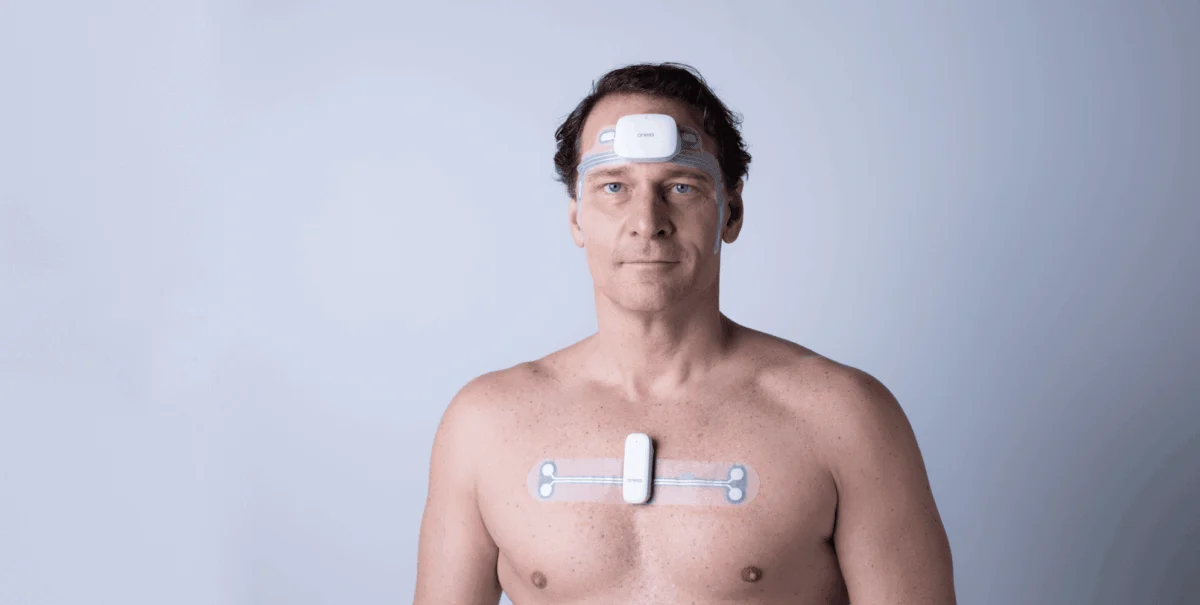
In a significant move toward digital transformation within the sleep medicine sector, Onera Health, a leader in transforming sleep diagnostic solutions, has announced a new technical integration with Somnoware, the prominent sleep lab management platform now under the ResMed umbrella. This partnership marks a pivotal shift in how sleep centers manage diagnostic data, aiming to reduce administrative friction and enhance the clinical utility of home-based sleep testing.
By bridging the gap between Onera’s high-fidelity home polysomnography (hPSG) and Somnoware’s comprehensive lab management software, the two companies are addressing a longstanding bottleneck in clinical workflows: the fragmented nature of data management across disparate digital ecosystems.
Main Facts: A Seamless Digital Bridge
The core of this integration lies in the interoperability between Onera’s cloud-based diagnostic platform and Somnoware’s centralized workflow environment. Previously, clinicians utilizing Onera’s hPSG system—a medical-grade, multi-night home sleep test designed to provide laboratory-quality data—often faced the manual burden of exporting, transferring, and uploading diagnostic files into their existing lab management systems.
With the new integration, that manual intervention is largely eliminated. Once an Onera hPSG study concludes, the data is automatically funneled into the Somnoware interface. This allows clinicians to perform study reviews, generate reports, and manage patient diagnostics without ever needing to navigate away from the Somnoware platform. The synchronization ensures that the moment a study is finalized by the patient, the data becomes actionable for the clinical team, significantly reducing the turnaround time from study completion to treatment initiation.
Chronology: The Evolution of Connected Sleep Care
The journey toward this integration reflects the broader industry trend of "connected care." Over the past decade, the sleep diagnostics market has been steadily shifting away from traditional, resource-intensive in-lab polysomnography (PSG) toward home-based solutions.
- The Rise of hPSG: As Onera Health developed its proprietary hPSG technology, the challenge shifted from diagnostic capability to clinical efficiency. Clinicians required a way to view home-collected data with the same ease as in-lab data.
- The Somnoware Acquisition: The landscape shifted again when ResMed, a global leader in sleep apnea treatment, acquired Somnoware. This brought a robust management platform into a wider ecosystem of sleep therapy tools.
- The Integration Development: Over the past 18 months, engineering teams from Onera and Somnoware worked to create an API-driven handshake between the two platforms.
- The Announcement: This week’s formal launch signifies the culmination of these efforts, positioning the integrated system as a standardized tool for modern sleep labs looking to scale their home-testing operations.
Supporting Data: Why Efficiency Matters in Sleep Medicine
The necessity for this integration is rooted in the current state of sleep medicine. According to the American Academy of Sleep Medicine (AASM), millions of individuals suffer from undiagnosed sleep apnea. While in-lab PSG remains the "gold standard" for complex cases, the massive volume of patients requires a shift toward scalable, reliable home testing.
Operational Efficiency Metrics
In a typical sleep lab environment, the administrative burden of handling data—renaming files, importing results, and ensuring HIPAA-compliant transfers—accounts for roughly 15% to 20% of a technician’s daily workload. By automating this via the Onera-Somnoware bridge, clinics can expect to:
- Decrease Interpretation Lag: Studies that previously waited in queues for manual import can now be reviewed in real-time.
- Reduce Human Error: Automated file transfers remove the risk of mislabeled data or lost uploads.
- Scale Patient Volume: Clinics can manage a higher volume of patients without the need for proportional increases in administrative staffing.
These efficiency gains are not merely operational; they have clinical implications. When a patient receives their diagnosis and subsequent treatment plan faster, therapy adherence rates generally increase. Patients are less likely to become discouraged by bureaucratic delays if their diagnostic pathway is fluid and transparent.
Official Responses and Strategic Vision
The leadership at Onera Health views this partnership as a fundamental component of their mission to democratize access to quality sleep diagnostics.
Ruben de Francisco, founder and CEO of Onera Health, emphasized the strategic importance of the collaboration in a recent statement. "The integration with Somnoware is a welcomed enhancement that broadens access to the Onera hPSG solution," de Francisco stated. "Many sleep centers are customers of both Onera and Somnoware. We are very pleased that the integration of our cloud-based platforms will enable clinicians to benefit from a streamlined clinical workflow while providing access to comprehensive sleep diagnostics, including web-based study review and reporting capabilities."
The sentiment is echoed by industry analysts who suggest that the future of medical diagnostics lies in "platform agnosticism." As health systems move away from proprietary, siloed hardware, the ability for software systems to "talk" to one another is becoming the primary competitive advantage for diagnostic companies. By aligning with Somnoware, Onera is effectively embedding itself into the standard infrastructure of the modern sleep clinic.
Implications: The Future of the Sleep Lab
The integration between Onera and Somnoware carries several long-term implications for the future of the sleep medicine industry.
1. The Death of the "Fragmented Lab"
As sleep centers continue to expand their footprint to include multiple home testing sites, they can no longer rely on disparate local servers. The cloud-first nature of this integration proves that future-proofing a practice requires a digital architecture that allows for remote, centralized management.
2. Enhancing Patient Convenience
The patient experience is perhaps the greatest beneficiary of this technological leap. Patients often find the prospect of an in-lab sleep study intimidating or inconvenient. By providing a lab-quality home study that is seamlessly processed through a clinic’s existing, trusted platform, the "barrier to entry" for testing is lowered. Patients can receive professional-grade care in their own bedrooms, with the assurance that their data is being handled by a unified, secure system.
3. Impact on Clinician Burnout
Clinician burnout is a pervasive issue in healthcare, often driven by the "death by a thousand clicks" caused by poor software integration. By simplifying the diagnostic workflow, Onera and Somnoware are indirectly contributing to the mental well-being of sleep technicians and physicians. A system that works for the clinician rather than against them allows for more focused, empathetic patient care.
4. Data-Driven Insights
With the integration, clinics can better aggregate their own data. By housing all studies within the Somnoware ecosystem, labs can more easily conduct internal audits, track treatment outcomes, and measure the effectiveness of their home-testing programs against established benchmarks.
Conclusion: A New Standard for Diagnostics
The integration of Onera’s hPSG with the Somnoware platform represents more than just a software update; it is a signal of the industry’s maturation. As the demand for sleep diagnostic services continues to outpace the capacity of traditional sleep labs, the reliance on automated, integrated, and cloud-based technology will become the baseline for the industry.
For Onera Health, this partnership cements its role as a technology provider that understands the practical, daily realities of clinical practice. For Somnoware, it adds another layer of versatility to an already comprehensive management suite. For the patient, it promises a faster, more accurate path to a better night’s sleep.
As we look ahead, the success of this integration may serve as a blueprint for future collaborations in the digital health space. By focusing on interoperability and clinician-centric design, Onera and Somnoware have not only improved a workflow—they have enhanced the quality of care for the patients who rely on these systems every day. The future of sleep medicine is not just about the quality of the sensor; it is about the speed, accuracy, and ease with which that data is transformed into a life-changing diagnosis.