










In the relentless pursuit of cancer therapeutics, the most profound breakthroughs often originate from a deeply personal place. For Dr. Xin Meng, a researcher at Yale University, the quest to unravel the complexities of B-cell lymphomas is not merely an academic endeavor—it is a mission rooted in a formative experience that reshaped her understanding of medicine’s potential to alter the trajectory of human lives.
Dr. Meng is currently spearheading research into novel therapeutic avenues for chronic lymphocytic leukemia (CLL) and mantle cell lymphoma (MCL). By uncovering a biological "Achilles’ heel" within these aggressive cancer cells, she is opening doors to repurposing existing medications to provide faster, more effective relief for patients who have exhausted traditional lines of treatment.
The Genesis of a Medical Mission: A Chronology of Purpose
The Formative Spark
Dr. Meng’s journey into the laboratory began far from the hallowed halls of academia. Growing up in a small, resource-limited community, her path was defined by a singular, harrowing event: a young girl in her hometown was diagnosed with lymphoma.
At the time, Dr. Meng was one of the few local individuals with a foundational background in medicine. The girl’s family, desperate for guidance and options, turned to her. In a display of early leadership and compassion, Dr. Meng navigated the complexities of the medical system to help the family secure the necessary care and organized local fundraising efforts to cover the costs of treatment. Witnessing the girl’s eventual recovery and return to a healthy, normal life was a transformative moment. It solidified her resolve to dedicate her career to the study of immunology, eventually leading her to the Shanghai Medical College at Fudan University for her graduate training.
Academic Advancement
Following her foundational training in China, Dr. Meng transitioned to the United States to pursue high-level research. Her transition from clinical medicine to laboratory-based immunology was driven by the realization that while bedside care is vital, systemic changes in outcomes require fundamental scientific discovery. This shift eventually brought her to Yale University, where she has leveraged her expertise to tackle the most stubborn challenges in hematologic oncology.
Decoding the Mechanism: How Cancer Sabotages Itself
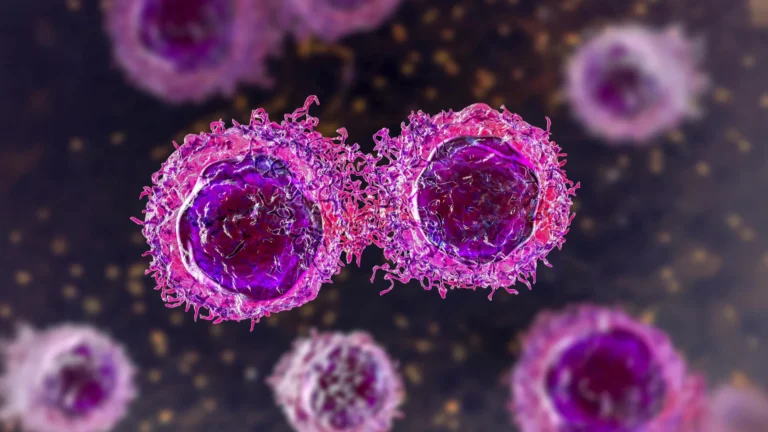
The core of Dr. Meng’s current research focuses on the survival mechanisms of malignant B-cells. CLL and MCL are notoriously difficult to treat once they develop resistance to standard therapies or undergo relapse. The mortality rates for these relapsed cases remain a significant hurdle in modern oncology.
The Protein Removal Pathway
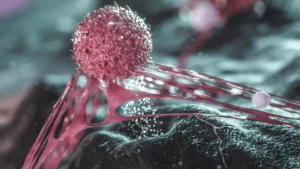
Through intensive investigation, Dr. Meng identified a unique biological pathway that these cancer cells employ to survive. Malignant cells often rely on the constant removal of specific, vital proteins to maintain a state of "clean" cellular machinery that supports unchecked growth.
"When this removal process is blocked, the protein builds up in the cancer cells and triggers a chain reaction," Dr. Meng explains. "It effectively shuts down the genes the cancer needs to survive—essentially turning its own biology against it."
By identifying this "garbage disposal" mechanism, Dr. Meng has provided a roadmap for intervention. Instead of attempting to create a brand-new drug—a process that can take decades and cost billions—Dr. Meng and her team are investigating existing, FDA-approved medications used for other, non-cancerous conditions that already target these specific protein pathways.
Supporting Data: The Efficiency of Drug Repurposing
The implications of Dr. Meng’s research are supported by the strategic advantage of drug repurposing. In the landscape of clinical trials, the primary bottleneck is often the Phase I safety study, which ensures that a drug is not toxic to humans.
Bridging the Gap to the Clinic
Because the drugs currently under investigation by Dr. Meng have already passed rigorous safety screenings in other disease contexts, the transition to clinical trials for CLL and MCL patients is significantly accelerated.
- Speed to Market: Repurposed drugs can bypass years of toxicity testing.
- Cost-Effectiveness: Reduced development costs make these treatments more accessible.
- Combination Potential: Dr. Meng is currently analyzing how these existing medications can be synthesized with current standard-of-care treatments to create a synergistic effect, potentially overcoming the resistance that frequently leads to patient relapse.
The data suggests that by targeting the "protein buildup" within the cancer cell, clinicians could potentially "reset" the sensitivity of these cells to chemotherapy or immunotherapy, offering a second chance to patients who previously had few options.
Official Responses and Institutional Impact
Dr. Meng’s work has been bolstered by significant support from major medical foundations, a partnership that she credits with providing not only the capital necessary for advanced genomic sequencing and laboratory equipment but also the professional validation required to pursue high-risk, high-reward research.
A Message of Inclusion and Potential
Reflecting on the support she has received, Dr. Meng emphasizes that the impact goes beyond the laboratory bench. "Perhaps most importantly, this grant affirmed that my background—coming from a small town, being part of a community where medical resources are limited—doesn’t limit my potential," she states.
For the scientific community, her story serves as a reminder that diversity in background often leads to diversity in perspective. By viewing cancer not just as a cellular problem, but as a crisis of access and outcome for families, Dr. Meng brings a level of urgency to her research that is felt by her peers at Yale and beyond.
"This Foundation didn’t just fund a project," she adds. "They invested in a mission."
Implications: The Future of Lymphoma Treatment
The implications of Dr. Meng’s research extend far beyond the specific study of CLL and MCL. If her hypothesis regarding the "protein removal mechanism" holds true across broader clinical trials, it could establish a new paradigm for how we treat aggressive blood cancers.
Towards a More Personalized Approach
The future of oncology is increasingly moving toward precision medicine—the practice of tailoring treatments to the specific molecular profile of a patient’s tumor. Dr. Meng’s work contributes to this by:
- Enhancing Survivability: Identifying mechanisms that force cancer cells to destroy themselves from within.
- Reducing Patient Burden: Utilizing existing, known drugs often means a more predictable side-effect profile for patients.
- Empowering Underserved Communities: By focusing on therapies that are easier to scale and distribute, Dr. Meng honors her roots in communities where medical infrastructure is limited.
As Dr. Meng continues her work at Yale, the medical community remains hopeful. The intersection of her deep personal drive and her rigorous scientific methodology creates a powerful engine for innovation. As she works to bring these findings from the petri dish to the clinic, the focus remains on the ultimate objective: providing hope, answers, and, most importantly, better outcomes for the patients who need them most.
In the final analysis, Dr. Meng’s research stands as a testament to the fact that scientific progress is at its most potent when it is fueled by a genuine commitment to humanity. Through her efforts, the daunting landscape of relapsed B-cell lymphoma is becoming, slowly but surely, a terrain that is increasingly conquerable.