In the cutthroat landscape of the global beverage industry, few executives achieve the “unicorn” status of building a billion-dollar brand. Michael Fedele, a key architect behind the meteoric rise of BodyArmor—which saw a high-profile acquisition by Coca-Cola—could have easily retired from the front lines of consumer-packaged goods. Instead, he chose to return to the laboratory of innovation, driven by a simple, yet overlooked, revelation discovered in the locker rooms of elite athletes.
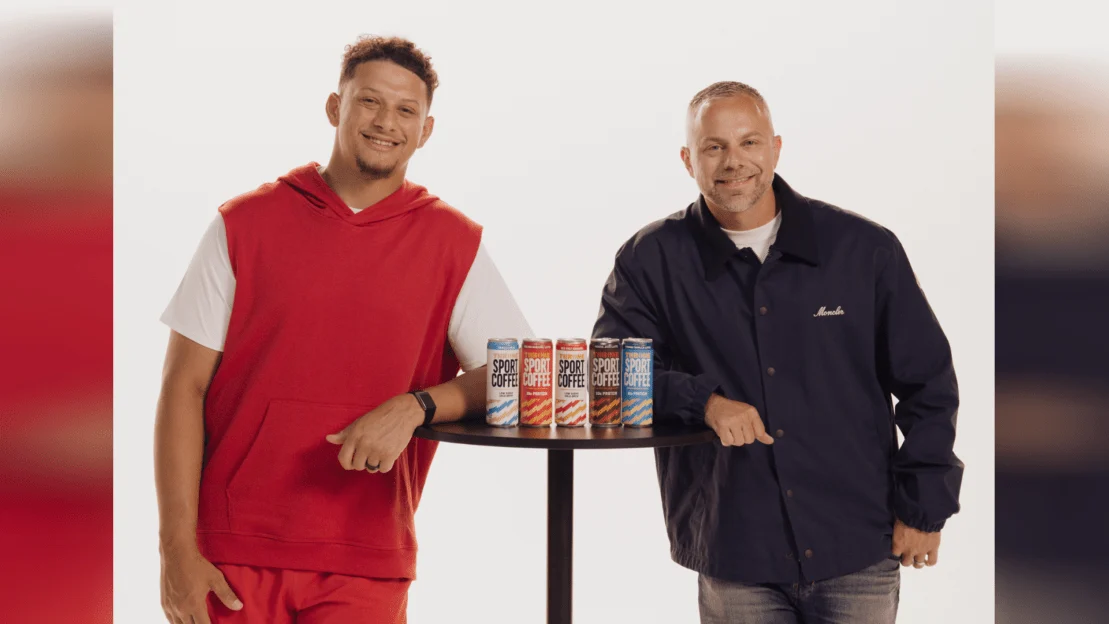
While the market was saturated with neon-colored energy drinks and hyper-caffeinated concoctions, Fedele noticed a consistent trend among the world’s most elite performers: they were bypassing the energy drink aisle in favor of simple, reliable iced coffee. This observation became the catalyst for Throne Sport Coffee, a company that is not merely launching a product, but attempting to disrupt the multi-billion-dollar ready-to-drink (RTD) coffee category. With NFL superstar Patrick Mahomes serving as the company’s lead investor and second-largest shareholder, Throne is positioning itself as the "better-for-you" alternative for the modern, high-performance individual.
The Genesis of an Idea: Filling the Market Void
Fedele’s transition from the success of BodyArmor to the inception of Throne was rooted in a fundamental question of consumer psychology: Why is the most popular coffee on the market essentially a dessert in a glass bottle?
“The No. 1 ready-to-drink coffee in America comes in a glass bottle, has around 300 calories, and 46 grams of sugar,” Fedele explains. “I kept asking myself, if so many athletes and active people drink coffee every day, why isn’t there a better option?”
The problem was clear. While the functional beverage market had pivoted toward health-conscious, low-sugar alternatives, the coffee sector remained stagnant, dominated by high-calorie lattes and artificial additives. Athletes, who require sustained focus and clean energy, were being forced to choose between the jittery, crash-inducing effects of synthetic energy drinks or the sugar-laden caloric bombs of traditional bottled coffee.
Fedele’s solution was to bridge the gap. Throne Sport Coffee was engineered to provide the functional benefits of coffee—150 milligrams of natural caffeine—without the metabolic tax. By utilizing natural sweeteners and, in the case of their latte lineup, 10 grams of protein from ultra-filtered, lactose-free milk, the product represents a shift toward intentional consumption. For those seeking a lighter profile, the company’s cold brew varieties offer a dairy-free, clean-label alternative. “Everything in the product is purposeful,” Fedele notes. “We wanted to create something people could feel good about putting into their bodies.”
Chronology: From Concept to Retail Dominance
The trajectory of Throne Sport Coffee has been rapid, fueled by a mixture of strategic capital and authentic advocacy.
- The Observation Phase: During his final years at BodyArmor, Fedele began cataloging the dietary habits of professional athletes. He noted that from the pre-game tunnel to the post-training recovery phase, coffee was the common denominator.
- The Formulation Phase: Fedele focused on the "Goldilocks" dose of caffeine. Recognizing that the industry standard of 200–300mg often led to the dreaded mid-afternoon "crash," the team settled on 150mg—a dosage designed to sharpen cognitive focus while remaining sustainable for the central nervous system.
- The Partnership: The most significant milestone occurred when Fedele presented the prototype to three-time Super Bowl champion Patrick Mahomes. Expecting a polite review, Fedele was met with an immediate, enthusiastic demand for more samples. Mahomes, a prolific coffee consumer, recognized the need for the product personally.
- The Expansion: Today, Throne is distributed in nearly 20,000 retail locations, including industry titans like Whole Foods, CVS, and Kroger. This footprint was not built on massive ad buys, but on a grassroots strategy of trial and conversion.
The Mahomes Factor: Beyond the "Celebrity Investor" Archetype
In an era where celebrity brand partnerships are often fleeting, transactional, and surface-level, the relationship between Patrick Mahomes and Throne Sport Coffee is an anomaly. Mahomes is not merely a brand ambassador; he is a stakeholder, a product tester, and a strategic advisor.
Fedele recalls a singular, illustrative moment of this commitment. Following a grueling morning rehabilitation session in Kansas City, Mahomes boarded a flight to Los Angeles to join Fedele on stage at a major industry conference. After delivering their presentation, Mahomes spent hours in private meetings with retail partners—the backbone of the beverage industry—before flying back to Kansas City that same night to ensure he didn’t miss his next rehab session.
“If that doesn’t tell you his dedication to building this thing,” Fedele says, “I’m incredibly grateful to have him on board.”
Mahomes’ involvement spans the entire lifecycle of the product. He reviews innovations, provides granular feedback on flavor profiles, and acts as a sounding board for long-term corporate strategy. This hands-on approach ensures that the brand remains authentic to the needs of the athlete—a crucial differentiator in a market where consumers are increasingly savvy about spotting "hired" endorsements.
Data and Performance: Sustained Energy vs. The Crash
The skepticism surrounding traditional energy drinks is not anecdotal; it is data-driven. Consumers are increasingly wary of "stimulant stacking," where multiple ingredients create an artificial spike in energy followed by a steep decline in performance.
Throne Sport Coffee’s formula is a direct response to this. By keeping the caffeine content at a controlled 150mg and eliminating high-fructose corn syrup and artificial dyes, the product targets the "middle-ground" consumer: the professional, the student, and the athlete who needs sustained focus for four to six hours rather than a sharp, temporary burst.
Initial consumer feedback has been overwhelmingly positive regarding the lack of a "crash." This is attributed to the quality of the coffee beans and the absence of high-glycemic sweeteners that cause blood sugar fluctuations. For the company, this is the ultimate KPI (Key Performance Indicator). “We’ve had people specifically ask where our coffee beans come from because they tell us they don’t experience the crash they get from other products,” Fedele says. This feedback loop is what drives the company’s ongoing R&D.
Marketing Strategy: "Better Fuel for Every You"
The current "Better Fuel for Every You" campaign represents the brand’s largest marketing push to date. It is a strategic departure from the typical "extreme sports" aesthetic that has defined the beverage industry for decades.
Instead of showing only the "Super Bowl Champion" version of Patrick Mahomes, the campaign highlights his multifaceted life: the father, the businessman, the mentor, and the investor. The narrative is clear: everyone plays multiple roles in a single day, and each of those roles requires a different, yet consistent, type of fuel.
“In this world, one version of you doesn’t cut it,” Fedele explains. “No one’s just one thing. Everyone is multifaceted.”
This digital-first approach prioritizes education over mass-media saturation. By utilizing social media and localized community events—such as pickleball tournaments, half-marathons, and regional 5K races—Throne is able to get the product into the hands of potential customers who are already in the "active" mindset. This intimate, event-based marketing strategy allows for real-time data collection, which the team uses to refine flavors and distribution strategies.
Implications: The Future of Functional Beverages
The rise of Throne Sport Coffee has significant implications for the future of the beverage sector. It suggests a broader shift in consumer behavior toward "clean-label functionalism." Consumers are no longer willing to sacrifice their long-term health for short-term energy gains.
Furthermore, the brand’s growth trajectory highlights a maturing market where niche, purpose-driven products can compete with legacy conglomerates. By proving that a brand can scale to 20,000 doors without abandoning its core values, Fedele is setting a new benchmark for entrepreneurs.
For those looking to enter the space, Fedele’s advice is both a warning and an encouragement: “Believe in what you’re doing. Everybody will think you’re crazy at first, and hopefully you are. Continue to push, persevere, take consumer feedback, continue to get better, and do everything you can to make your business a success.”
As the company continues to iterate on its formulas and expand its retail footprint, it stands as a testament to the idea that there is always room for a better product. Whether it’s a billionaire executive or a superstar athlete, the pursuit of "better" remains the ultimate driver of innovation. Throne Sport Coffee is not just selling caffeine; it is selling the infrastructure for a more productive, balanced, and energized lifestyle. In a crowded marketplace, that is a compelling proposition.