






Picking up the kids. Navigating the grocery store aisles. Heading to the office. Planning a birthday party. These are the mundane, rhythmic pulses of an ordinary life—the kinds of things we often dismiss as chores. But for Sharon Belvin and Jenney Bitner, these routine acts are not just tasks; they are hard-won milestones, vivid reminders of a future they were once told they might never see. Both women, united by a diagnosis of stage 4 melanoma, have become the living embodiment of a medical revolution that has fundamentally altered the landscape of oncology.
Their stories, separated by years but woven together by the threads of scientific breakthrough and personal resilience, offer a profound look at what it means to survive the "un-survivable."
The Chronology of a Medical Breakthrough
The timeline of their struggle reflects the rapid evolution of immunotherapy. For Sharon Belvin, the crisis arrived in 2004. At just 22 years old, Sharon was faced with a stage 4 melanoma diagnosis. In the medical climate of the early 2000s, this was essentially a death sentence. The standard of care was limited, and the prognosis was bleak. Sharon’s life, which had barely begun, felt as though it were being erased in real-time.
"It wasn’t just an interruption," Belvin recalls of that period. "It was the threat of a stolen future."
In a desperate, courageous leap of faith, Sharon enrolled in a clinical trial for an early, experimental immunotherapy—a treatment that was then largely unproven. It was a gamble against insurmountable odds. Yet, the gamble paid off. The cancer retreated, and the life she feared losing began to knit itself back together.
Fast forward to 2020: Jenney Bitner’s world was shattered in the midst of a global pandemic. A mother of four, she was navigating the joys and exhaustion of pregnancy when persistent, worsening headaches turned into a terrifying reality. A brain tumor, aggressive and metastatic, left her staring down a ticking clock.
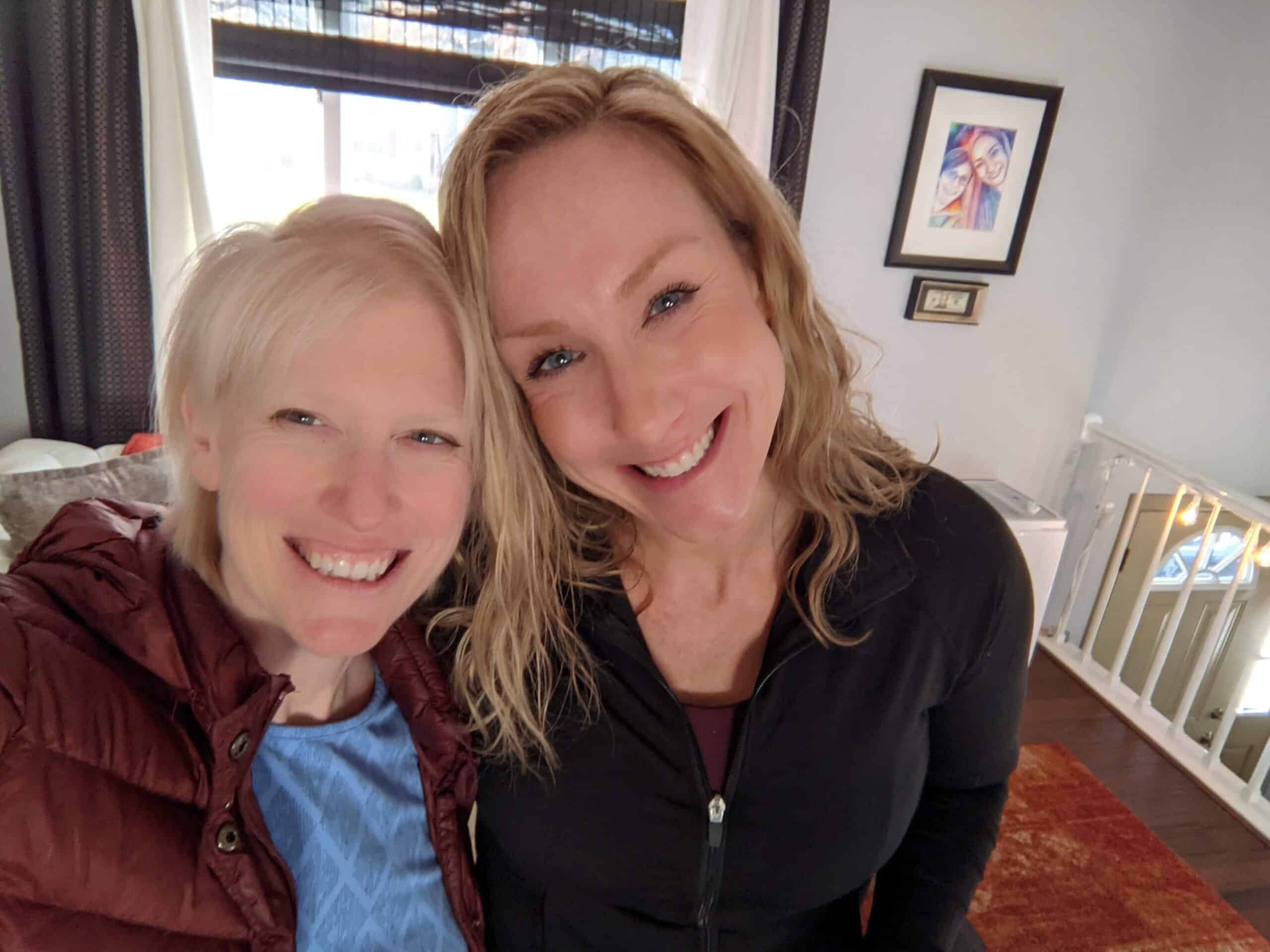
Unlike Sharon, who had to be a pioneer in the dark, Jenney was the beneficiary of the decades of research that Sharon helped catalyze. The science that had saved Sharon had matured, refined, and become a life-saving tool for patients like Jenney. After two grueling brain surgeries and the premature birth of her son, Jenney began her own immunotherapy journey. By October 2020, after only four rounds of treatment, her scans showed no evidence of disease.
Scientific Context: The Power of Immunotherapy
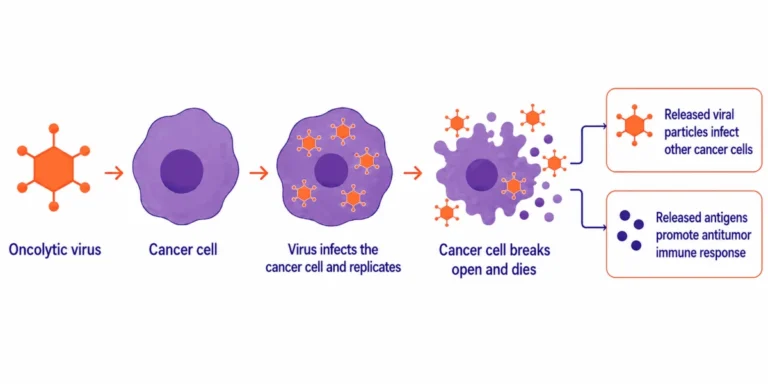
The journey of these two women is not merely anecdotal; it is a testament to the transformative power of immunotherapy—a field that has shifted the paradigm of cancer treatment from simply attacking cells to teaching the body’s own immune system how to recognize and destroy the enemy.
Immunotherapy works by "releasing the brakes" on the immune system, allowing T-cells to identify and eliminate cancer cells that were previously "cloaked" from detection. In the early 2000s, when Sharon Belvin was in her trial, this was considered fringe science. Today, it is a cornerstone of oncology.
The data supports the dramatic improvement in survival rates. According to the Cancer Research Institute, long-term survival for stage 4 melanoma patients has moved from single-digit percentages to significantly higher numbers thanks to the development of immune checkpoint inhibitors. The story of Sharon and Jenney illustrates the "arc of progress": Sharon represents the early discovery phase, while Jenney represents the scalable success of that discovery.
An Unlikely Connection: Paying it Forward
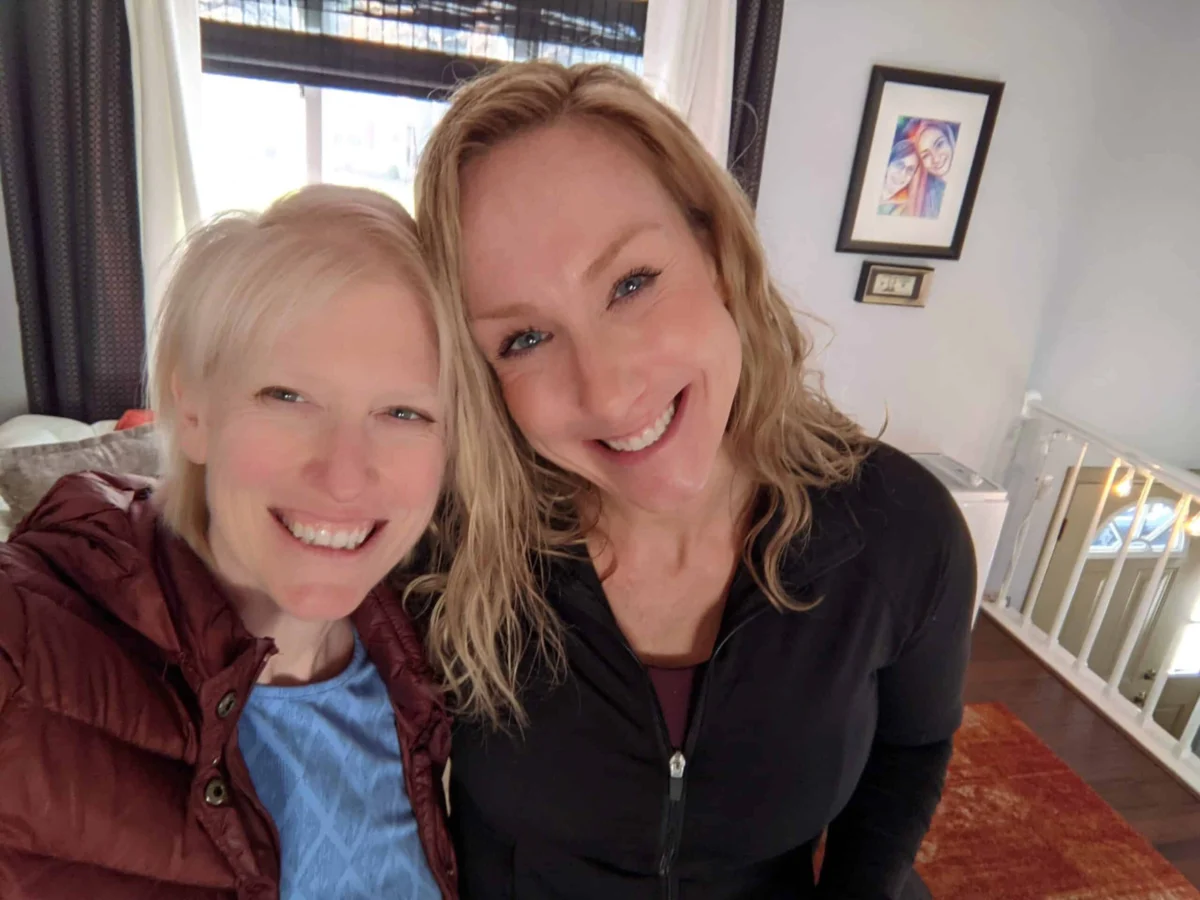
The meeting of these two women was a convergence of fate. After watching the documentary Breakthrough, which chronicled the work of Nobel laureate Dr. Jim Allison and featured Sharon’s story, Jenney’s husband realized they shared a connection to the same small hometown. He reached out to Sharon on Jenney’s behalf.
What he didn’t know was that, years prior, Sharon had made a silent, sacred promise while sitting in an MRI machine during her own treatment: if she survived, she would spend her life paying it forward.
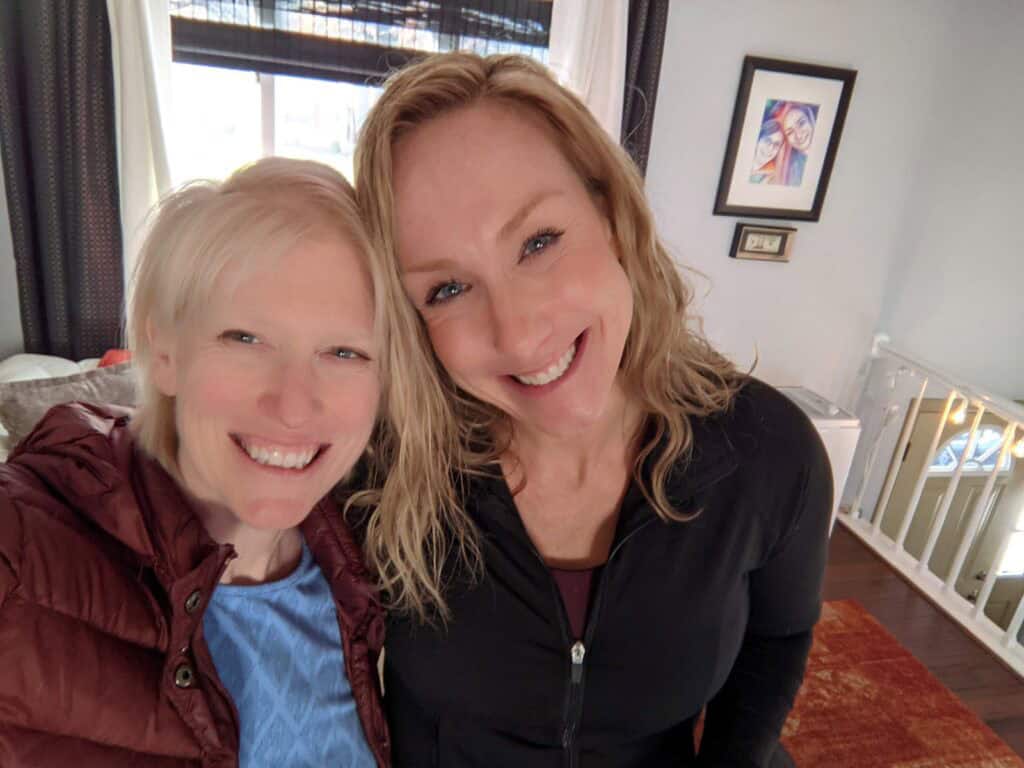
When the message arrived, Sharon didn’t hesitate. She became a mentor, a confidante, and a beacon of hope for Jenney. They bonded over the "invisible" parts of cancer—the scans that haunt the periphery of one’s vision, the anniversaries that feel like memorials, and the complex relationship they now hold with their own bodies.
Official Perspectives: The "Worst Club with the Best Members"
Medical professionals and patient advocates alike point to the "survivor community" as a critical, often overlooked, aspect of recovery. Dr. Elizabeth Jaffee, a prominent researcher in the field, notes: "The clinical success of these treatments is undeniable, but the human element—the peer-to-peer support—is what turns a patient back into a person."
For Sharon and Jenney, the community is vital. As Jenney puts it, "Cancer is such a lonely diagnosis. You feel like you’re the only one in the world who’s ever had it. But knowing that there are other people out there that you can connect with who are going through similar things… it’s vital for keeping you going."
Sharon echoes this sentiment, describing the survivor network as "the worst club with the best members." It is a fraternity forged in the fires of trauma, where language is unnecessary because the experience is universal.
The Implications: Survivorship as a New Reality
The story of these two women forces us to reconsider the definition of survivorship. It is not a finish line or a "clean ending." Instead, it is a continuous, evolving process. It is the ability to return to the school drop-offs and the grocery runs while carrying the heavy, indelible knowledge of what was almost lost.
Key Takeaways for the Future of Cancer Care:
- The Human Cost: Clinical trials are not just data points; they are life-saving opportunities for real people.
- Mentorship Matters: The "peer-mentor" model is an essential component of comprehensive cancer care.
- The Ripple Effect: One patient’s survival can inspire and support a future generation of patients, creating a lineage of hope.
Finding the Joy in the Mundane
Today, both women remain active, both in their personal lives and in their roles as advocates. They continue to meet, share, and support others navigating the daunting early stages of a diagnosis.
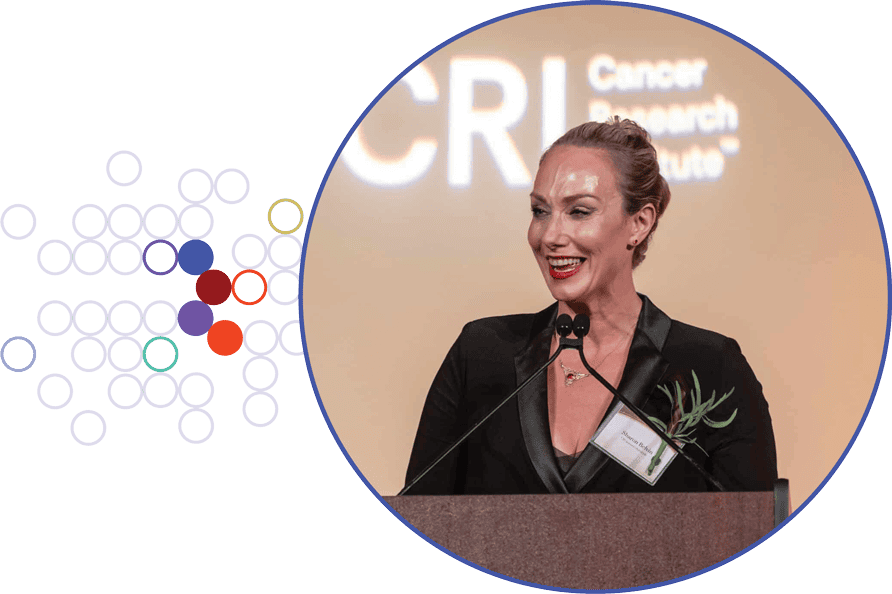
Their lives serve as a poignant reminder that medical science is ultimately about time. It is about buying more mornings, more laughter, more bedtime stories, and more of those "ordinary" moments that are, in truth, the most extraordinary things we possess.
When asked about the weight of her diagnosis today, Jenney says, "I don’t know how a cancer diagnosis doesn’t shape every single conversation and relationship for the rest of your life. It plays a part in every single thing you do."
For Sharon, the perspective is one of hard-earned gratitude. "I feel like I did not appreciate life until it was almost gone," she reflects. "And now, every day is a gift, no matter how mundane."
Their narrative is not just one of medical victory; it is a profound testament to the resilience of the human spirit. In the face of a disease that seeks to strip away identity and future, Sharon and Jenney have chosen to lean into the life in front of them, finding beauty in the routine and power in their shared journey. They are proof that while cancer may change the course of a life, it does not have to be the end of the story. Through scientific advancement and the unbreakable bonds of those who have "been there," the future is no longer a question mark—it is a promise being fulfilled, one day at a time.