






In the persistent battle against oncology’s most elusive adversary—the dormant tumor cell—researchers at ETH Zurich have unveiled a pioneering therapeutic strategy. By engineering a light-sensitive molecular switch, scientists have developed a method to forcibly "wake up" cancer cells that have retreated into a sleep-like, treatment-resistant state, potentially rendering them susceptible to conventional chemotherapy and immunotherapy.
This breakthrough addresses one of the most frustrating barriers in cancer treatment: the ability of certain malignant cells to survive aggressive regimens by entering a state of clinical dormancy. By hijacking the body’s own protein-recycling machinery and coupling it with precision light-based control, the research team has created a modular system that promises to redefine the precision of localized cancer therapy.
The Mechanism of Dormancy: A Stealth Strategy for Survival
Cancer is not a monolithic enemy; it is a dynamic, evolving biological process. While many cancer cells grow and divide rapidly, others—particularly in lung, breast, and prostate cancers—possess the ability to enter a quiescent, or dormant, state. During this phase, the cell effectively pauses its cycle of division. Because the vast majority of current cancer therapies, including standard chemotherapy and radiation, target cells in the process of division, these dormant "sleeper cells" often escape destruction.
The trigger for this state is frequently the body’s own stress response. When a patient undergoes the physiological stress of a cancer diagnosis or treatment, their body releases glucocorticoids—stress hormones. Within tumor cells, these hormones are detected by specialized proteins known as glucocorticoid receptors (GRs). Upon activation, these receptors initiate a cascade of gene expression changes that force the cell into dormancy, effectively shielding it from the lethal effects of anticancer drugs.
For years, the clinical challenge has been clear: how do we disable these receptors to force the cells back into a vulnerable, proliferative state without causing systemic harm? Glucocorticoid receptors are ubiquitous in the human body, playing indispensable roles in regulating inflammation, metabolism, and immune system function. A systemic drug that wipes out all glucocorticoid receptors would be catastrophic, leading to widespread organ dysfunction and immune suppression.
The ETH Zurich Solution: Harnessing Cellular Recycling
The breakthrough by the ETH Zurich team, led by Professor Katharina Gapp of the Department of Health Sciences and Technology, rests on a clever application of the cell’s natural "trash disposal" system. Cells are constantly identifying damaged or redundant proteins, tagging them with a molecular label—ubiquitin—that signals to the cell’s internal machinery, the proteasome, that the protein should be dismantled and recycled.
The researchers engineered a tripartite molecular switch designed to force this recycling process onto the glucocorticoid receptor specifically. The switch consists of three distinct modules:
- A Receptor-Binding Module: This part anchors the switch to the glucocorticoid receptor.
- An Enzyme-Recruiting Module: This part binds to the specific enzyme responsible for applying the "disposal tag."
- A Photosensitive Connector: A flexible bridge that links the two.
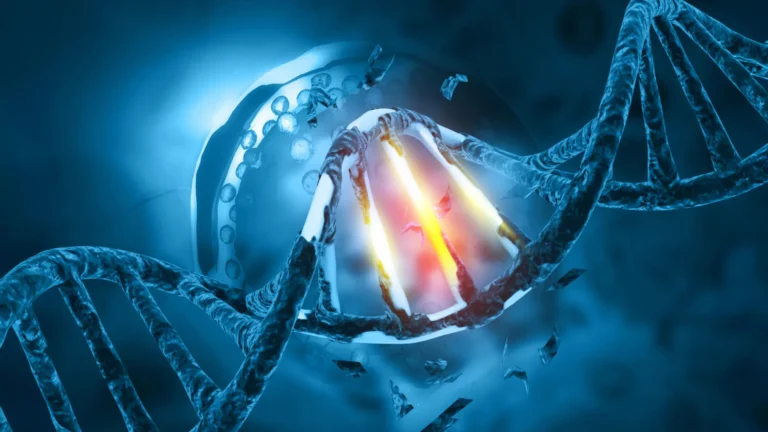
Under standard conditions, the connector remains in an extended configuration, physically bringing the receptor into close proximity with the tagging enzyme. The result is a rapid, systematic degradation of the glucocorticoid receptor. Once the receptor is gone, the "off" signal for cell division is removed, and the cancer cell is effectively jolted out of its dormant state.
Precision Control Through Photopharmacology
The most innovative aspect of this system is the "off switch." By utilizing a specific wavelength of light, the researchers can induce a structural change in the connector module. When irradiated, the connector bends, increasing the physical distance between the receptor and the tagging enzyme. This structural shift halts the tagging process, meaning the glucocorticoid receptors in the illuminated area are no longer marked for destruction.
"This system is based on existing medical technology and therefore offers a realistic prospect of localized therapies," explains Robin Scheuplein, a doctoral student and joint first author of the study. By focusing a light source—such as a medical endoscope—directly on a tumor, clinicians can ensure that the receptor-degradation effect is confined strictly to the malignant tissue, leaving healthy cells in the surrounding environment completely untouched.
Chronology of the Research and Development
The project, which emerged from a cross-disciplinary collaboration at ETH Zurich, represents years of rigorous iterative development.
- Initial Concept Phase: The team identified the need for a non-invasive, spatially controlled method of protein manipulation. Drawing on the principles of optogenetics—the use of light to control biological processes—they began designing the molecular switch.
- Synthesis and Engineering: Led by the group of Professor Erick Carreira, a renowned expert in organic synthesis, the team produced multiple iterations of the light-sensitive connector. The challenge was ensuring that the connector was both stable enough to function and flexible enough to respond rapidly to light.
- Validation: Laboratory testing confirmed that two of the developed connectors behaved with high reliability. The switch could be toggled between "active" (degradation of the receptor) and "inactive" (receptor preservation) states with precision.
- Biological Proof-of-Concept: In experiments using lung cancer cell cultures, the researchers demonstrated that the system not only degraded the glucocorticoid receptors but also successfully re-initiated the cell cycle, reversing the dormant state.
Supporting Data: Why This Matters
The efficacy of this system is underscored by the current limitations of cancer treatments. Currently, the "dormancy escape" phenomenon is a primary driver of cancer recurrence. A patient may appear to be in remission, only for dormant cells to reactivate months or years later, resulting in metastatic disease that is often more aggressive than the primary tumor.
The ETH Zurich study provides compelling data that the degradation of glucocorticoid receptors is directly linked to an increase in gene activity associated with cell division. While the study is currently limited to in vitro models, the implications for human health are significant. By "priming" these cells, the system allows standard therapeutic protocols to reach a much larger proportion of the tumor population, potentially increasing the success rate of curative surgeries and systemic therapies.
Official Responses and Peer Perspectives
The research has garnered significant attention for its modularity. Because the system targets a protein through a generic "tagging" mechanism, the researchers believe it can be adapted to target other proteins involved in cancer progression.
"We’ve developed a modular system that we can also use to switch off other receptors," Scheuplein notes. Among the potential future targets are the estrogen receptors in hormone-dependent breast cancer and the androgen receptors that drive many forms of prostate cancer.
While the scientific community has praised the ingenuity of the switch, the researchers remain cautious about the timeline for human application. The primary constraint, as acknowledged by the team, is light penetration. Current light-based therapies are generally limited to the skin or areas accessible via endoscopic surgery. For deeper tumors, the team is exploring the integration of near-infrared light, which possesses longer wavelengths capable of penetrating deeper into biological tissue with minimal heat damage.
Implications for the Future of Precision Oncology
The implications of this research extend far beyond the treatment of lung cancer. By creating a tool that can "program" the state of a cell using light, the ETH Zurich team has moved closer to the "holy grail" of oncology: a treatment that is both universally applicable and hyper-localized.
Addressing the Side Effect Profile
Traditional chemotherapy is often limited by its systemic toxicity. Patients suffer from hair loss, nausea, and immune suppression because the drugs cannot distinguish between a tumor cell and a healthy hair follicle or white blood cell. The ETH Zurich platform, however, shifts the burden of specificity from the drug to the location. By using light to define the "treatment zone," the potential for systemic side effects is reduced to a minimum.
A New Tool for Research
Beyond clinical treatment, this technology serves as a powerful research tool. Scientists have long struggled to study the exact signaling pathways that maintain dormancy. By having the ability to "turn off" these receptors at a precise moment, researchers can observe the immediate biological response of the cancer cell in real-time, providing unprecedented insights into the life cycle of tumors.
Conclusion
The path from the laboratory bench to the patient bedside is long, and the ETH Zurich team acknowledges that rigorous testing in living organisms—and eventually clinical trials—is the next essential step. However, the development of this light-switchable protein degradation system represents a paradigm shift.
By refusing to accept dormancy as an inevitable survival strategy for cancer cells, researchers have developed a method to shine a literal light on the hidden machinery of tumor resistance. As the technology moves toward deeper tissue penetration and broader protein targeting, it may one day provide the key to unlocking the dormancy that has allowed cancer to persist in the face of our best medical efforts. The future of oncology, it seems, may be found not just in more potent drugs, but in our ability to control the cellular switches that dictate the very life and death of a cancer cell.