









For decades, the name "creatine" has been synonymous with the world of athletics. A staple in the gym bag of bodybuilders and high-performance athletes, this nitrogenous organic acid has been the go-to supplement for those seeking to maximize explosive strength and muscle recovery. However, a groundbreaking study recently published in the journal iScience suggests that the benefits of creatine extend far beyond the weight room. Researchers at the University of California, Los Angeles (UCLA), have unveiled a compelling new frontier: creatine’s potential to act as a powerful metabolic engine for the human immune system in its battle against cancer.
This discovery is more than a mere curiosity; it addresses one of the most persistent hurdles in modern medicine. While immunotherapy—a category of treatment that harnesses the body’s own immune system to identify and eliminate malignant cells—has transformed the prognosis for many patients, it remains inconsistent. Current therapies, particularly those involving checkpoint inhibitors, fail to achieve meaningful clinical benefits for approximately 60% to 80% of patients. By uncovering how creatine energizes the "scouts" of our immune system, scientists may have found a key to unlocking these treatments for a much broader population.
The Mechanics of Immunity: Why Dendritic Cells Matter
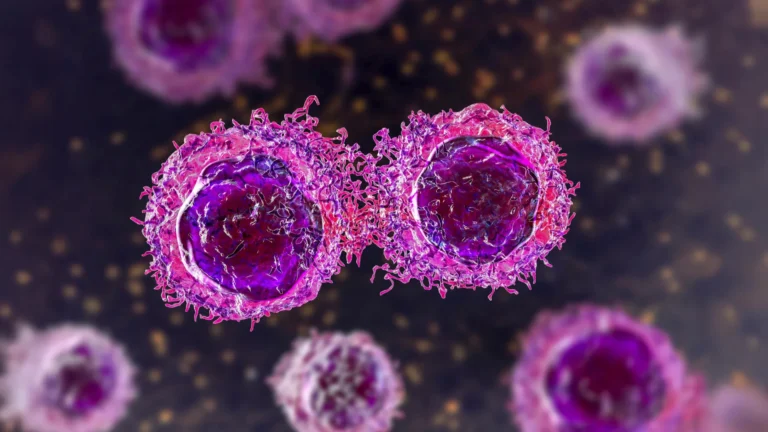
To understand the magnitude of this research, one must understand the hierarchy of the immune response. If killer T cells are the "soldiers" that execute the destruction of tumor cells, dendritic cells are the "intelligence officers." They are specialized immune cells tasked with patrolling the body, detecting foreign or malignant threats, and presenting these "antigens" to T cells. Without the activation signal from a dendritic cell, T cells remain dormant or oblivious to the presence of a tumor.
The UCLA team, led by senior author Lili Yang, a professor of microbiology, immunology, and molecular genetics, hypothesized that the failure of many immunotherapies might stem from a lack of metabolic "fuel" for these critical coordinators. Their findings indicate that when dendritic cells infiltrate a tumor, they enter a hostile, nutrient-depleted environment. Without adequate energy reserves, these cells become sluggish, failing to prime T cells effectively. This is where creatine enters the equation.
Chronology of Discovery: From Muscle Fuel to Cellular Energy
The journey to this discovery began with a curiosity about the metabolic profiles of immune cells within the tumor microenvironment.
Phase 1: Identifying the Metabolic Bottleneck
In the initial stages of their research, the UCLA team performed a deep dive into the genetic architecture of dendritic cells found inside melanoma tumors in mouse models. They observed a significant upregulation of the gene responsible for the creatine transporter—a protein that acts as a "gatekeeper," shuttling creatine from the bloodstream into the cell. This overexpression suggested that dendritic cells were actively seeking out creatine to survive and function in the high-stress environment of a tumor.
Phase 2: Testing the Deficiency
To confirm the necessity of creatine, researchers engineered a cohort of dendritic cells that lacked the creatine transporter entirely. The results were stark. Deprived of the ability to take up creatine, these cells showed a marked decrease in survival rates and overall activity. Crucially, when these "creatine-deficient" cells were placed in the presence of T cells, the T cells failed to multiply or produce the essential signaling molecules required to mount an anti-cancer response. The "scouts" had essentially gone blind.
Phase 3: Boosting the Response
The final phase of the preclinical study involved direct intervention. Researchers administered daily creatine injections to mice with melanoma. The results were both rapid and profound: the injections significantly slowed tumor growth. The researchers observed an increase in the number and activity of dendritic cells within the tumor, which in turn released higher levels of chemical signals that recruited additional immune reinforcements to the site of the cancer.
Supporting Data: The "Rechargeable Battery" Analogy
The efficacy of creatine in this context is rooted in the production of adenosine triphosphate (ATP). ATP is the universal "currency" of energy in biological systems, required for virtually every cellular process—from protein synthesis to cell division.
Metabolomics analyses conducted during the study revealed that creatine supplementation effectively boosted intracellular ATP levels in dendritic cells. The researchers compared the role of creatine to a "rechargeable battery." By providing an additional reservoir of energy, creatine allows dendritic cells to maintain their metabolic homeostasis even while competing with rapidly dividing tumor cells for limited nutrients. This surplus of energy keeps the inflammatory signaling pathways—the "alarm bells" of the immune system—active and functional for longer periods.
Official Responses and Expert Perspectives
The implications of these findings have sent ripples through the oncology and immunology communities. Dr. Lili Yang, who is also a member of the Eli and Edythe Broad Center of Regenerative Medicine and Stem Cell Research at UCLA, emphasized that the study provides a holistic view of the immune system’s needs.
"Immunotherapy has shown remarkable promise, but it only works for a subset of patients," Dr. Yang stated. "What this study shows is that creatine doesn’t just help the T cells fighting cancer—it also energizes the entire infrastructure that supports and guides them. That makes creatine a promising supplement to holistically support the immune response that modern immunotherapies depend on."
The team’s co-first authors, James Elsten-Brown and Elliot Kang, echoed these sentiments, highlighting the dual-utility of the discovery. According to Elsten-Brown, "The potential we see here is that creatine could be used in two complementary ways: as a supplement to enhance the immune response of patients already receiving immunotherapy, and as a tool to improve the quality of dendritic cell-based vaccines before they’re administered."
Kang underscored the importance of the metabolic focus, noting, "Understanding how to metabolically support dendritic cells is about supporting the entire anti-tumor response, not just the killer T cells at the end of it."
Clinical Implications: The Future of Cancer Vaccines
The most exciting clinical prospect lies in the development of dendritic cell-based vaccines. These vaccines are currently produced by harvesting a patient’s own immune cells, training them in a laboratory to recognize cancer-specific targets, and then re-introducing them into the body.
The UCLA study tested this process using human monocyte-derived dendritic cells. By adding creatine during the laboratory "training" phase, the researchers observed a significantly improved ability of these cells to stimulate T cells against cancer-associated targets. This suggests a future where, instead of just injecting a drug, oncologists might use creatine-primed cells to act as a more potent, "supercharged" version of the patient’s own immune system.
A Note of Caution: Bridging the Gap to Human Trials
While the data from UCLA is robust, the scientific community maintains a rigorous standard of caution. It is critical to note that the findings are currently limited to mouse models and laboratory-grown human cells.
"The experimental approaches described in the study have not been tested in humans or approved by the Food and Drug Administration as safe and effective for use in people," the researchers stated in their report.
Furthermore, patients currently undergoing cancer treatment are urged to exercise extreme restraint. While creatine monohydrate is a widely available, over-the-counter supplement, its interaction with chemotherapy, radiation, and complex immunotherapy regimens is not yet fully understood. There is a risk that unregulated supplementation could interfere with existing treatments or have unintended side effects in patients with compromised organ function, such as those with renal issues.
The researchers are now looking toward the next logical step: prospective clinical trials. These trials will be the final arbiter of whether creatine can indeed transition from the gym floor to the oncology ward, moving from a performance booster for muscles to a life-saving adjunct for the immune system.
Conclusion
The convergence of metabolic science and immunology represents one of the most promising avenues for cancer research today. By viewing the immune system not just as a network of signaling pathways, but as a system of high-demand metabolic machines, scientists are finding new ways to "refuel" our internal defenses.
While it is too early to recommend creatine as a standalone cancer treatment, the UCLA study provides a compelling roadmap for future research. If clinical trials confirm these findings, creatine could eventually become a standard, cost-effective, and low-risk addition to the oncology toolkit, helping to transform the way we approach one of humanity’s most complex diseases. For now, the research stands as a testament to the power of fundamental science—reminding us that sometimes, the most effective solutions to our most modern problems are hidden in the basic building blocks of human biology.