











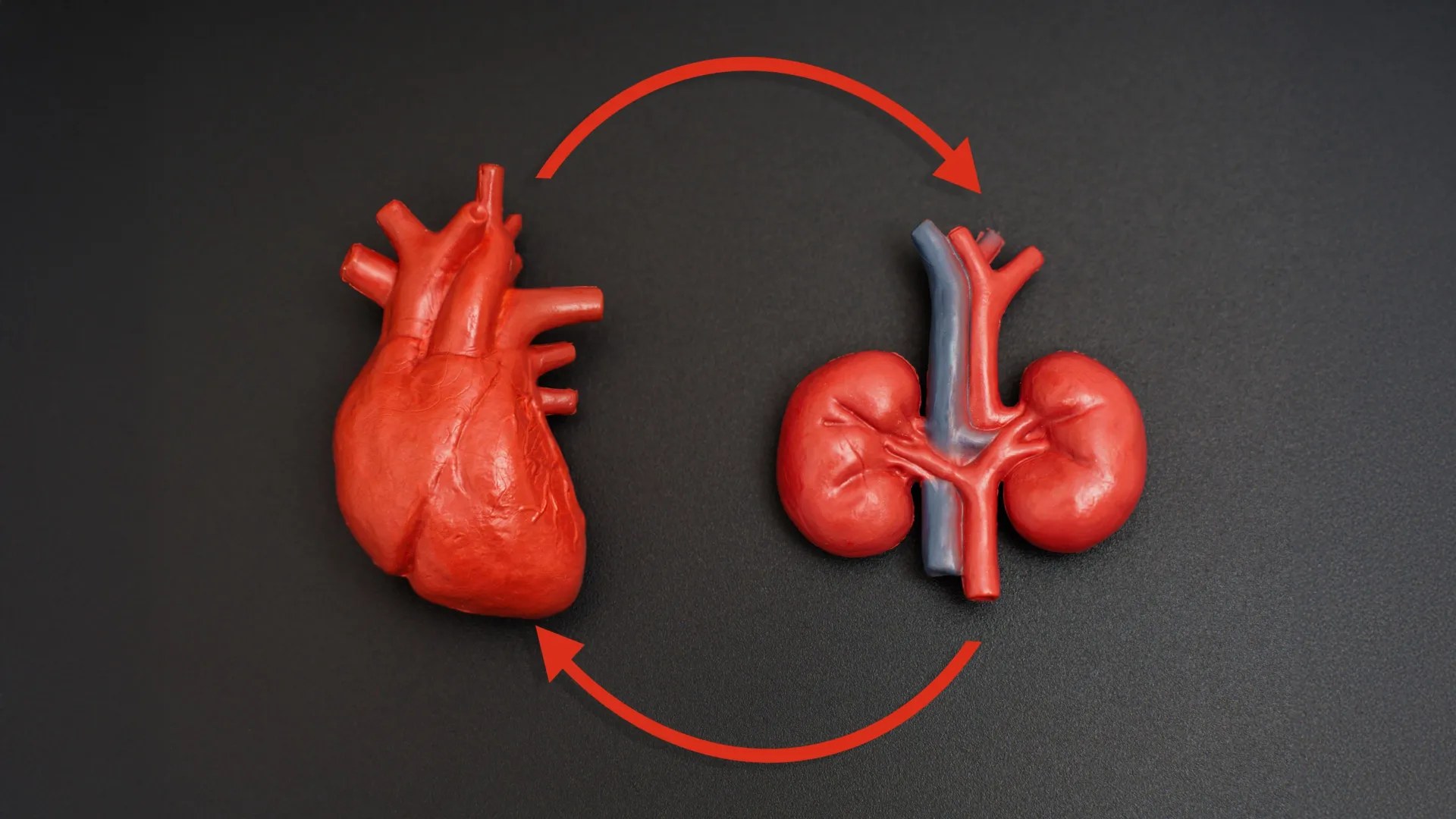
In the landscape of modern medicine, we are accustomed to compartmentalized care. We visit a cardiologist for our heart, an endocrinologist for our diabetes, and a nephrologist for our kidneys. However, the American Heart Association (AHA) is pushing for a paradigm shift that recognizes these organs not as isolated entities, but as a deeply interconnected ecosystem. This shift is centered on a recently defined condition: Cardiovascular-Kidney-Metabolic (CKM) syndrome.
Despite affecting nearly 90% of the U.S. adult population, CKM syndrome remains a mystery to most. A landmark survey conducted by The Harris Poll on behalf of the AHA in August 2025 reveals a striking paradox: while the vast majority of Americans are living with at least one risk factor for the condition, awareness of the syndrome itself is alarmingly low. Yet, when presented with the facts, the public’s appetite for understanding is ravenous, signaling an urgent need for better health literacy and a more integrated approach to chronic disease management.
Understanding the "Full Circle" of Health
To understand CKM syndrome, one must first understand the "full circle" of the human body. The heart, kidneys, and metabolic systems function in a delicate, symbiotic relationship. The metabolic system, which is responsible for the body’s energy production, storage, and utilization, directly influences weight and blood glucose levels. When this system falters—manifesting as obesity or type 2 diabetes—it places immediate, undue stress on the heart and the kidneys.
When these conditions cluster together, the risk is not merely additive; it is multiplicative. A person suffering from high blood pressure, abnormal cholesterol, high blood sugar, and excess weight is not just battling four separate issues; they are trapped in a feedback loop where each condition accelerates the progression of the others. This synergy significantly elevates the risk of life-threatening events, including heart attack, stroke, and heart failure, far beyond the risk posed by any single condition alone.
Chronology of a Medical Evolution
The formal definition of CKM syndrome represents the culmination of years of clinical observation regarding the "co-morbidity" of chronic diseases. For decades, physicians have noted that patients with kidney disease were almost invariably patients with hypertension and cardiovascular risk.
- The Conceptual Shift: The medical community began moving away from treating these issues in silos, realizing that the pathways of inflammation and vascular damage are shared across the cardiovascular, renal, and metabolic systems.
- The AHA Initiative: Recognizing that the traditional approach to patient care was failing to address the interconnected nature of these illnesses, the American Heart Association launched the CKM Health Initiative.
- Defining the Syndrome: Through rigorous clinical research, the AHA formally defined CKM syndrome as a clinical entity, allowing for standardized diagnostic criteria and a unified strategy for prevention and treatment.
- Looking Ahead: The medical community is currently bracing for the next major milestone: the release of the first-ever clinical guidelines focused specifically on CKM syndrome, scheduled for publication in early 2026. This document is expected to fundamentally change how primary care physicians and specialists approach patients with multiple chronic conditions.
Supporting Data: The Scope of the Problem
The data provided by the August 2025 survey of over 4,000 U.S. adults paints a sobering picture of national health.
- High Prevalence: Nearly 90% of U.S. adults possess at least one major risk factor associated with CKM syndrome. These include, but are not limited to, elevated blood pressure, dyslipidemia (abnormal cholesterol), hyperglycemia (high blood sugar), and reduced glomerular filtration rate (kidney function).
- The Awareness Gap: While the prevalence is near-universal, public recognition of the term "CKM syndrome" is in the single digits. This creates a "knowledge gap" where patients are managing symptoms without realizing they are part of a larger, systemic health crisis.
- The Desire for Knowledge: Encouragingly, the survey found that once the concept of the "CKM connection" was explained, nearly three-quarters of respondents immediately grasped its significance. They expressed a clear desire to learn more about how their heart, kidney, and metabolic health are linked.
Official Responses and Clinical Perspectives
Dr. Eduardo Sanchez, M.D., FAHA, the American Heart Association’s chief medical officer for prevention, has been at the forefront of this educational campaign. He emphasizes that the goal is not to alarm the public, but to empower them through better understanding of their physiological systems.
"We want people to know that it’s really common to have heart, kidney and metabolic risk factors at the same time," Dr. Sanchez stated. "It is reassuring that once the CKM connection was defined, nearly three-quarters of those responding understood that it was important and wanted to learn more."
For Dr. Sanchez, the primary objective is to break down the walls of medical specialization. "The heart, kidney and metabolic systems are connected and, as such, should be treated in a coordinated way," he said. "These results reveal the need to emphasize those connections and help patients understand the importance of collaborative care."
This collaborative care model requires a shift in how healthcare teams communicate. Currently, a patient may see three different specialists who, unless they are exceptionally diligent, may not be looking at the patient’s health through the lens of the "CKM cycle." The AHA’s goal is to foster interdisciplinary communication, ensuring that the treatment for diabetes is not inadvertently harming the kidneys or putting excess strain on the heart.
Implications: A Path Toward Reversibility
Perhaps the most hopeful takeaway from the recent research is that CKM syndrome is not necessarily a one-way street. Unlike many chronic conditions that are purely degenerative, the factors leading to CKM syndrome can often be mitigated or even reversed through proactive intervention.
Lifestyle as Medicine
The primary interventions for CKM syndrome remain the cornerstones of preventive medicine:
- Nutritional Changes: Shifting to diets that stabilize blood glucose and reduce systemic inflammation.
- Physical Activity: Regular, moderate exercise that improves metabolic efficiency and cardiovascular endurance.
- Medical Management: Utilizing modern medications that address multiple facets of the CKM cycle, such as newer classes of diabetes drugs that have demonstrated significant protective benefits for both the heart and the kidneys.
The Role of Early Detection
The American Heart Association is urging the public to view their health as a "full circle." This involves regular screenings for blood pressure, cholesterol, weight, blood sugar, and kidney function. By catching these risk factors in their nascent stages, patients can disrupt the cycle before it gains momentum.
Resources for Patients and Professionals
To bridge the knowledge gap, the AHA has launched an online resource hub at heart.org/CKMtools. This hub offers educational tools, including videos that explain the "2 truths" of heart health in plain, accessible language. These resources are designed to help the layperson understand the complex interaction between their organs without needing a medical degree.
For healthcare professionals, the AHA provides interdisciplinary care guides, encouraging doctors to stop viewing chronic conditions in isolation. The initiative is supported by a coalition of industry partners, including Founding Sponsors Novo Nordisk and Boehringer Ingelheim, Supporting Sponsors Novartis Pharmaceuticals Corporation and Bayer, and Champion Sponsor DaVita. This level of cross-industry collaboration underscores the perceived urgency of the CKM challenge.
A New Era of Preventative Care
The emergence of CKM syndrome as a defined condition marks the end of an era of fragmented health management. As we look toward 2026 and the release of formal clinical guidelines, the message from the medical community is clear: our organs do not exist in isolation, and neither should our healthcare.
By recognizing the CKM connection, patients can take control of their health trajectory. Whether it is through simple lifestyle adjustments or coordinated medical care, the ability to address heart, kidney, and metabolic health simultaneously offers a powerful new tool in the fight against the leading causes of death in the United States. The challenge now lies in education, ensuring that the 90% of adults affected by these risk factors move from passive observation to active, informed, and collaborative care.
Research Methodology Note
The survey referenced was conducted online in the United States by The Harris Poll on behalf of the American Heart Association among 4,007 U.S. adults aged 18+. The survey was conducted between August 6 and August 22, 2025. Data were weighted by education, age by gender, race/ethnicity, region, household income, household size, marital status, employment, and smoking status to ensure an accurate reflection of population proportions. Sampling precision is measured using a Bayesian credible interval, with results accurate within ± 2.0 percentage points at a 95% confidence level.