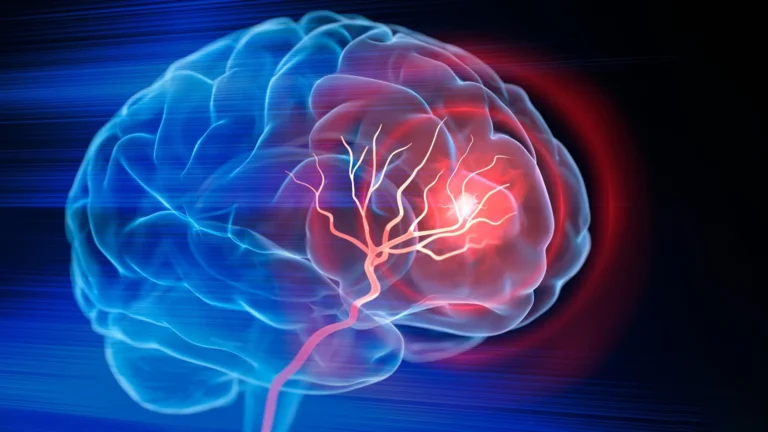
In the ongoing battle against the world’s leading cause of mortality—cardiovascular disease—a breakthrough has emerged from an unlikely source. An international research team, spearheaded by the Leiden University Medical Centre in the Netherlands and the Monash Institute of Pharmaceutical Sciences (MIPS) in Australia, has published findings in Science Advances suggesting that the experimental drug IC7Fc may offer a dual-action defense against both metabolic disorders and heart disease.
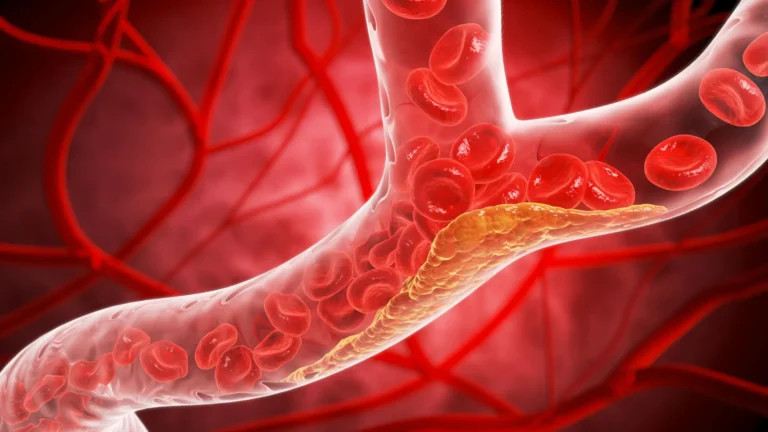
While initially developed to manage the complexities of type 2 diabetes, the drug has demonstrated a unique capability to lower cholesterol levels and mitigate arterial inflammation in preclinical models. These findings represent a significant shift in how researchers approach the treatment of atherosclerosis, the "clogging" of arteries that serves as the precursor to most heart attacks and strokes.
Main Facts: A Dual-Action Breakthrough
The core revelation of the study lies in the drug’s versatility. IC7Fc, a fusion protein engineered to interact with specific cytokine receptors, has proven effective in preclinical trials at significantly reducing blood triglycerides and low-density lipoprotein (LDL) cholesterol—the primary drivers of fatty plaque accumulation in blood vessels.
Unlike traditional statins or blood-pressure-lowering medications, which primarily address single symptomatic pathways, IC7Fc appears to function as a metabolic regulator. By modulating systemic inflammation, the drug addresses the biological "rust" that damages arterial walls, making them susceptible to plaque buildup. The research demonstrates that even in subjects where obesity is not a factor, the drug maintains its efficacy in protecting cardiovascular health, suggesting that its benefits are not merely a byproduct of weight loss, but a direct impact on lipid metabolism and vascular health.
Chronology of Development: From Diabetes to Heart Health
The journey of IC7Fc is rooted in a decade of pharmaceutical exploration. The development of this compound began with a focus on metabolic syndrome, specifically the management of type 2 diabetes.
The Early Stages
Initial investigations into IC7Fc were centered on its potential to improve glucose tolerance and insulin sensitivity. Researchers observed that the drug acted as a "mimetic" for certain naturally occurring proteins in the body that regulate energy expenditure. In earlier studies, the drug showed a marked ability to suppress appetite and facilitate weight loss in obese mouse models, positioning it as a potential candidate for obesity treatment.
The Pivot to Cardiovascular Research
As the pharmacological profile of IC7Fc became better understood, the research team began to hypothesize that its metabolic benefits might translate to the cardiovascular system. Atherosclerosis, the hardening of arteries, is fundamentally a metabolic disease, often exacerbated by chronic, low-grade inflammation. The team hypothesized that if IC7Fc could stabilize the metabolic environment, it might prevent the inflammatory response that leads to the formation of arterial plaques.
The Recent Breakthrough
In the most recent study published in Science Advances, the team shifted their focus from obese mice to lean, genetically modified mice prone to high cholesterol and arterial disease. This was a critical "stress test" for the drug. By removing the variable of weight loss, researchers were able to isolate the cardiovascular impact of IC7Fc. The results confirmed that the drug’s cardioprotective properties are independent of its weight-loss effects, a discovery that fundamentally expands its potential clinical utility.
Supporting Data: Mechanisms of Action
The data provided by the Leiden-Monash partnership offers a granular look at how IC7Fc interacts with the mammalian circulatory system.
Lipid Profile Improvement
The mice treated with IC7Fc showed a consistent and statistically significant drop in circulating triglycerides. Elevated triglycerides are a known risk factor for cardiovascular disease, often acting in concert with LDL cholesterol to accelerate the narrowing of arteries. By lowering these levels, IC7Fc effectively reduces the "fuel" available for plaque formation.
Anti-Inflammatory Properties
Perhaps more importantly, the study highlighted the drug’s role in suppressing systemic inflammation. Atherosclerosis is no longer viewed simply as a result of "clogged pipes" caused by fat; it is now understood as an inflammatory condition. IC7Fc appears to dampen the immune signals that cause white blood cells to infiltrate the arterial wall, where they would otherwise consume cholesterol and turn into the foam cells that constitute dangerous fatty plaques.
Weight-Independent Efficacy
The data regarding lean mice is perhaps the most compelling evidence for the drug’s future. In these trials, the subjects showed no significant change in total body weight or food intake. This confirms that the cardiovascular benefits are pharmacological—a direct result of the drug’s interaction with cell receptors—rather than a secondary effect of metabolic improvement through weight loss. This distinction is vital for future human trials, as it suggests the drug could be prescribed to patients who are at high risk for heart disease but are already at a healthy body weight.
Official Responses and Expert Commentary
Professor Mark Febbraio, a lead figure at the Monash Institute of Pharmaceutical Sciences and a key architect of the IC7Fc program, has been instrumental in translating these findings into actionable research.
"Our earlier studies showed IC7Fc could help manage type 2 diabetes, a metabolic disease," Professor Febbraio stated during the project’s dissemination. "This new research shows it can also reduce atherosclerosis, meaning it slows the ‘clogging’ of the arteries, where fatty deposits build up and restrict blood flow to the heart."
Febbraio emphasized the limitations of current medical standards. "Heart disease remains the world’s biggest killer, driven largely by atherosclerosis. Even with common treatments that lower blood pressure and cholesterol, many people are still at risk, showing there’s more work to do."
The sentiment from the international research community has been one of cautious optimism. While preclinical models in mice are the gold standard for initial drug testing, experts emphasize that human physiology is significantly more complex. However, the data published in Science Advances provides a robust "proof of concept" that justifies the move toward Phase I human clinical trials.
Implications for Future Medicine
The implications of a dual-action therapy like IC7Fc are vast, particularly in an era where metabolic syndrome—a cluster of conditions including high blood pressure, high blood sugar, and excess body fat—is reaching epidemic proportions globally.
Bridging the Gap Between Metabolic and Heart Health
For decades, patients suffering from metabolic disorders have been managed through a "siloed" approach: an endocrinologist manages the blood sugar, while a cardiologist manages the heart health. IC7Fc represents a shift toward a more holistic, systems-biology approach. By addressing the common underlying mechanisms of both metabolic and cardiovascular disease, the drug could simplify treatment regimens and improve patient compliance.
The Future of Personalized Therapy
The most exciting implication is the potential for stratified medicine. Because the drug shows efficacy in both obese and lean subjects, clinicians might eventually use it to treat a wide spectrum of cardiovascular risks. In an obese patient, it might serve as a weight-management tool that simultaneously protects the heart. In a lean patient with genetic predispositions to high cholesterol, it could serve as a targeted, anti-inflammatory cardioprotective agent.
The Path Forward: Clinical Trials
Despite the promising results, the research team remains focused on the long road ahead. The transition from murine models to human subjects is fraught with challenges, including the need to monitor for long-term safety, potential side effects, and optimal dosing schedules.
The next phase of development will involve rigorous toxicity and safety testing. Should those trials yield successful results, IC7Fc could eventually become a cornerstone of preventive cardiology. By targeting the inflammatory drivers of atherosclerosis before they manifest as a catastrophic event, this drug could change the landscape of preventative medicine, moving the industry away from "reactive" treatments—such as bypass surgeries and stents—and toward proactive, molecular-level protection.
In summary, the work of the Leiden and Monash teams serves as a reminder that the next major breakthrough in heart health may not come from a new way to measure cholesterol, but from a deeper understanding of the body’s own metabolic regulation. As the scientific community looks toward the next stage of human trials, IC7Fc stands as a beacon of hope for millions of patients currently living in the shadow of cardiovascular risk.