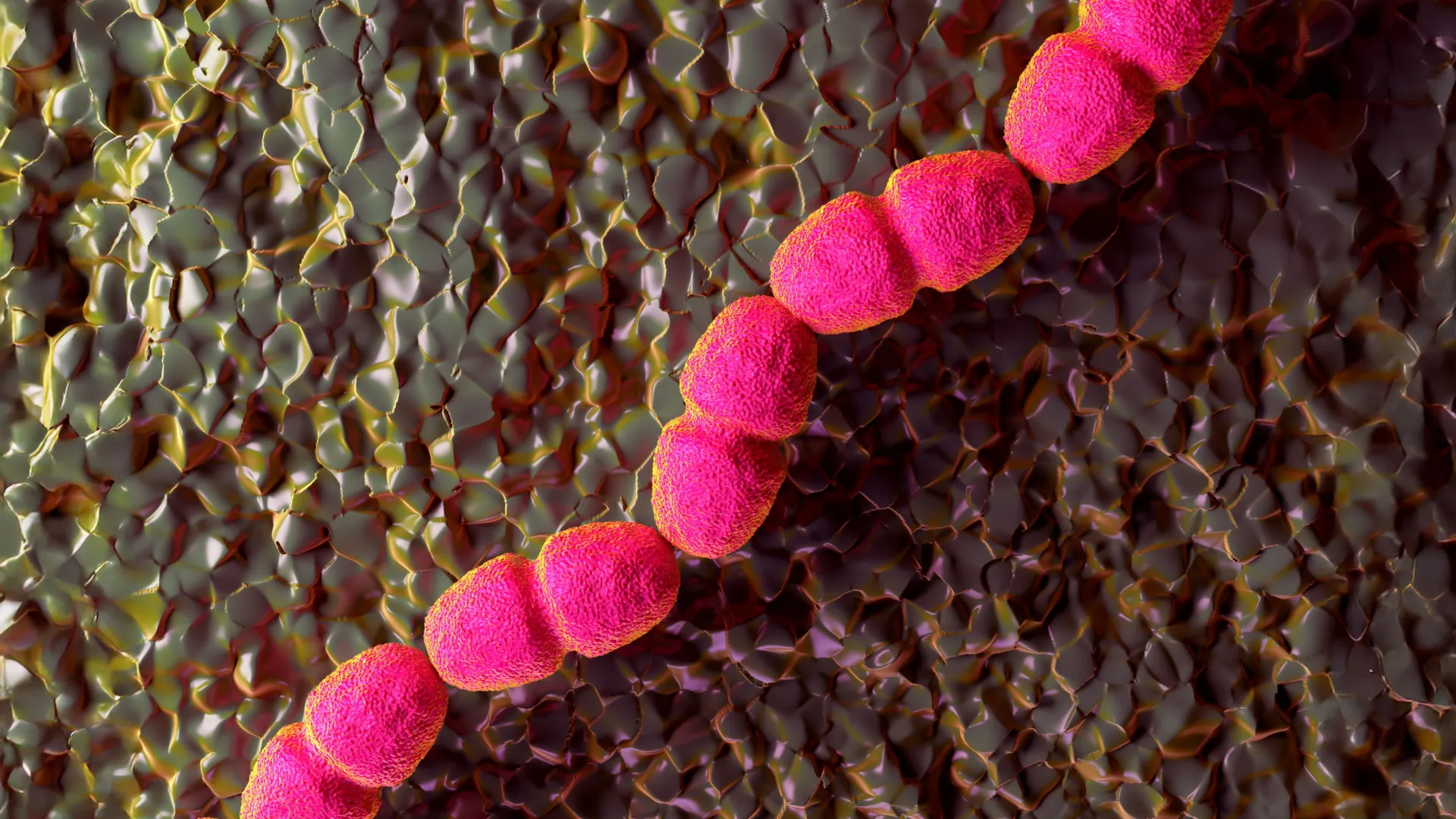
An international research team led by Nanyang Technological University, Singapore (NTU Singapore) has unveiled a pioneering strategy to accelerate the healing of chronic wounds, providing a much-needed solution for infections involving antibiotic-resistant bacteria. By identifying the precise biological mechanism through which common bacteria sabotage the body’s repair processes, scientists have opened the door to a new class of treatments that bypass the limitations of traditional antibiotics.
The Silent Epidemic of Chronic Wounds
Chronic wounds represent a growing, often overlooked, global health crisis. Unlike acute injuries that heal in a predictable timeframe, chronic wounds—such as diabetic foot ulcers, pressure injuries, and venous leg ulcers—can persist for months or even years. The scale of the problem is staggering: approximately 18.6 million people worldwide suffer from diabetic foot ulcers annually, and it is estimated that one in three individuals with diabetes will experience a foot ulcer at some point in their lifetime.
In Singapore, the situation is similarly concerning. With an aging population and rising rates of diabetes, over 16,000 cases of chronic, non-healing wounds are reported annually. These wounds are not merely a clinical inconvenience; they are a leading cause of lower limb amputations, which significantly diminish a patient’s quality of life and place a substantial burden on healthcare systems. When these wounds become colonized by bacteria, the cycle of infection and tissue destruction creates a barrier that conventional medicine has struggled to penetrate.
A Discovery Decades in the Making: The Chronology of the Research
The path to this discovery began with a fundamental question that has puzzled clinicians for decades: why do some wounds refuse to heal despite aggressive treatment? While it has long been understood that bacterial infections delay the healing process, the exact molecular "sabotage" employed by bacteria remained a mystery.
The research project, a collaboration between NTU Singapore and the University of Geneva, Switzerland, was co-led by Associate Professor Guillaume Thibault of NTU’s School of Biological Sciences and Professor Kimberly Kline, a visiting professor at the Singapore Centre for Environmental Life Sciences and Engineering (SCELSE).
The team focused their investigation on Enterococcus faecalis (E. faecalis), a bacterium commonly found in the human gut that frequently colonizes chronic wounds. Unlike pathogens that rely on overt toxins to cause damage, E. faecalis was found to be a master of metabolic manipulation.
The Research Timeline:
- Initial Observation: The researchers noted that E. faecalis persisted in wounds where traditional antibiotic treatments failed, leading to stalled tissue regeneration.
- The Metabolic Breakthrough: NTU Research Fellow Dr. Aaron Tan identified that E. faecalis utilizes a process known as extracellular electron transport (EET). Through this metabolic pathway, the bacteria continuously secrete hydrogen peroxide.
- Cellular Impact Assessment: Laboratory experiments confirmed that the hydrogen peroxide acts as a potent oxidative stressor, triggering an "unfolded protein response" (UPR) in human keratinocytes—the primary cells responsible for skin repair.
- The "Paralysis" Phase: The study revealed that this UPR, which is normally a protective mechanism, effectively "paralyzes" the keratinocytes, preventing them from migrating to the wound site to close the gap.
- Verification: To confirm their findings, the team utilized a genetically modified strain of E. faecalis lacking the EET pathway. This strain failed to produce significant hydrogen peroxide and, crucially, failed to inhibit wound healing, proving the direct link between bacterial metabolism and tissue dysfunction.
Supporting Data: How Bacteria "Paralyze" Skin Cells
The core of the discovery lies in the distinction between how E. faecalis interacts with the host compared to other pathogens. Many bacteria harm the body by secreting enzymes or toxins that physically break down tissue. E. faecalis, however, uses a more subtle, biochemical strategy.
When E. faecalis is present, the metabolic byproduct hydrogen peroxide creates an environment of oxidative stress. In a healthy wound, skin cells (keratinocytes) receive chemical signals to proliferate and migrate across the wound bed. However, the presence of the bacteria’s hydrogen peroxide forces these cells into a state of cellular panic.
The "unfolded protein response" is typically triggered when a cell needs to manage a surge of misfolded proteins. While this response is meant to save the cell, it is extremely energy-intensive and causes the cell to halt its "non-essential" activities. In the context of a wound, migration is the most essential activity for healing. By keeping the cells trapped in this stress response, E. faecalis effectively keeps the wound open, providing the bacteria with a permanent, nutrient-rich environment to thrive.
Official Perspectives: Shifting the Paradigm
The implications of this research are profound, signaling a potential shift away from the "kill-the-bacteria" model of treatment that has dominated medicine since the discovery of penicillin.
Associate Professor Guillaume Thibault emphasized the significance of the shift in strategy: "Our findings show that the bacteria’s metabolism itself is the weapon, which was a surprise finding previously unknown to scientists. Instead of focusing on killing the bacteria with antibiotics, which is becoming increasingly difficult and leads to future antibiotic resistance, we can now neutralize it by blocking the harmful products it generates and restoring wound healing."
The research, published in Science Advances, suggests that the focus of clinical intervention should transition from attempting to eradicate the bacterial population—which is often impossible in antibiotic-resistant scenarios—to neutralizing the "molecular weapons" the bacteria deploy.
Professor Kimberly Kline, co-lead of the study, noted that because the mechanism involves well-understood biological pathways, the path to therapeutic application could be accelerated compared to the long, arduous process of developing new antibiotics.
Implications for Future Clinical Practice
The team’s proposed solution is as elegant as it is practical: the use of antioxidants. Specifically, the researchers tested catalase—a naturally occurring enzyme that breaks down hydrogen peroxide into water and oxygen.
When the researchers applied catalase to the stressed, "paralyzed" skin cells in the lab, the oxidative stress levels plummeted. Within a short period, the cells resumed their natural migration and began closing the wound.
Future Therapeutic Avenues:
- Antioxidant-Infused Dressings: The most immediate application would be the development of advanced wound dressings impregnated with catalase or other antioxidants. These dressings would act as a "chemical shield," clearing the wound bed of hydrogen peroxide so that the body’s natural healing processes can resume.
- Mitigating Antibiotic Resistance: Because this treatment does not attempt to kill the bacteria directly, it does not exert the same evolutionary pressure that leads to antibiotic resistance. This makes it a sustainable long-term strategy for managing chronic infections.
- Accelerated Clinical Adoption: Because antioxidants like catalase are already utilized in various medical and industrial applications, their safety profiles are well-documented. This could potentially allow the research to bypass some of the early-stage hurdles that new pharmaceutical compounds typically face.
Moving Toward Human Trials
While the results in the laboratory and in human skin cell models are highly promising, the research team is currently focused on the next phase of development. The researchers are conducting ongoing studies in animal models to determine the most effective delivery systems for these antioxidants.
The ultimate goal is to move into human clinical trials. If these trials confirm the laboratory findings, this discovery could revolutionize the management of diabetic foot ulcers and other chronic wounds. For millions of patients worldwide, it offers a future where wounds that were once considered "life-long" can finally be closed, preventing the devastating necessity of amputation and restoring health and mobility.
By re-framing the problem not as a battle against bacteria, but as a management of the metabolic environment, the NTU-led team has provided a masterclass in modern medical research, proving that sometimes the best way to solve a biological problem is to stop fighting the organism and start fixing the environment.